

President Donald Trump threatened Wednesday at the NATO summit in Ankara, Turkey, to cut U.S. trade with Spain after attacking the ally over defense spending. The remarks escalated a dispute that now reaches beyond military budgets into trade, travel and the broader relationship between Washington and Madrid.
Spain is the only NATO member that did not commit last year to the alliance's full new defense spending target. No formal trade restrictions were announced, and neither the White House nor U.S. trade officials had provided details on how such a cutoff would work.
The Full Story
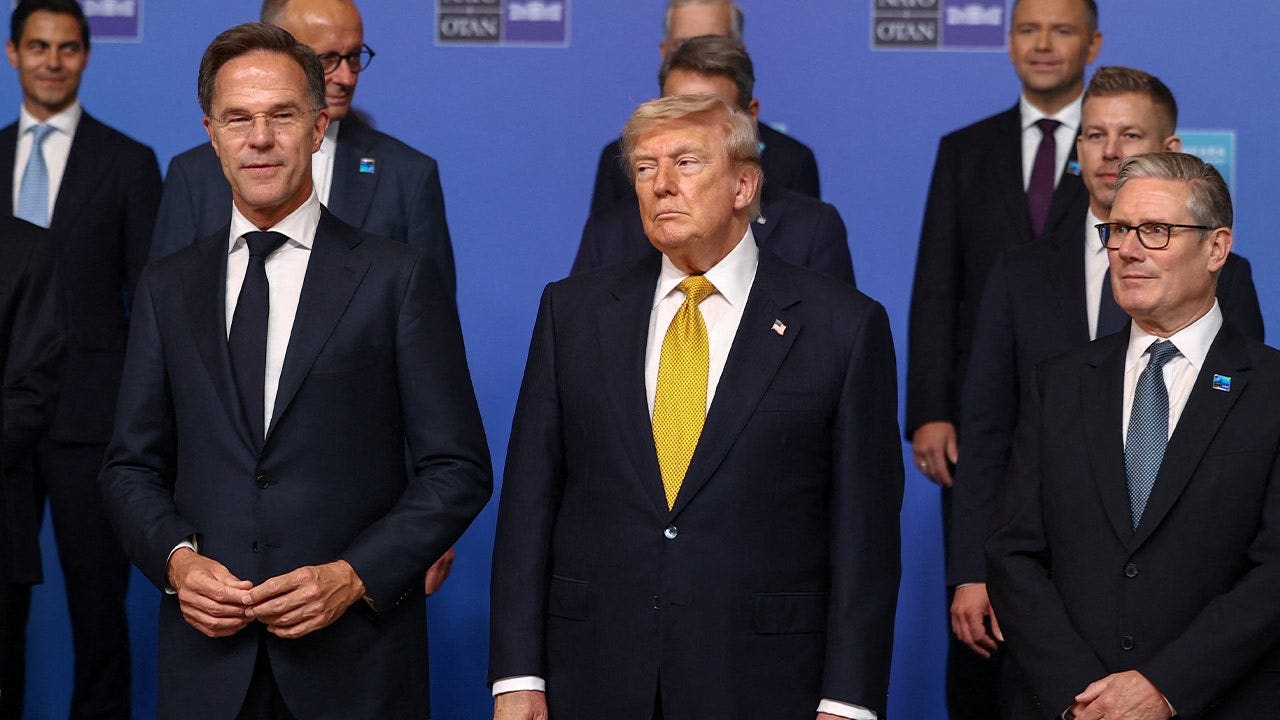
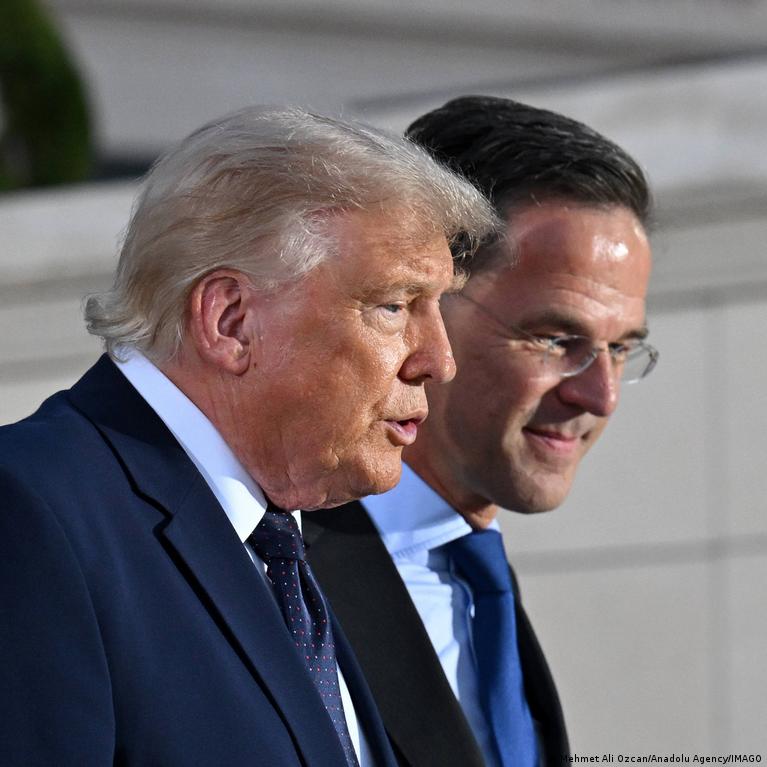
Trump singled out Spain during a news conference with NATO Secretary-General Mark Rutte, accusing the country of failing to contribute enough to the alliance. According to CNBC's summit coverage, he called Spain a terrible partner and said the United States should cut off trade and visits.
The confrontation grew out of NATO's latest spending push. Alliance members backed a benchmark calling for investment equal to 5% of gross domestic product in defense and defense-related expenditures, while Spain negotiated flexibility rather than accepting the full commitment. CNBC reported that Spain spent 2.1% of GDP on defense in 2025, up from 1.4% in 2021.

Rutte pushed back on part of Trump's criticism by pointing to Spain's recent increase in spending, saying Madrid had made a major step while acknowledging that unresolved issues remained. Spain's prime minister's office, in comments reported by Reuters and cited by CNBC, said U.S.-Spain relations benefited both countries in trade and defense.
The threat also landed during a summit already strained by disagreements over Greenland, Iran and NATO burden-sharing. The summit declaration still reaffirmed the alliance's Article 5 collective-defense principle and included additional commitments on defense investment, military procurement and support for Ukraine, according to DW's live summit report.
Who's Involved
Trump is the central figure in the dispute, using the NATO summit to pressure allies he says are not spending enough on defense. Spain is led by Prime Minister Pedro Sánchez, whose government has resisted the full spending target and has also clashed with Washington over the conflict with Iran.
Rutte, as NATO secretary-general, is trying to hold the alliance together while members increase defense spending at different speeds. The European Union also entered the dispute after Trump's threats, with European Commission trade spokesman Olof Gill saying the bloc would protect member interests and expected the United States to honor its commitments under a recently approved trade agreement.
By the Numbers
Spain and the United States traded roughly $47 billion in goods in 2025, according to U.S. Census Bureau data cited by Fox News. U.S. exports to Spain totaled about $26 billion, while imports from Spain were about $21 billion.
On defense, Spain spent 2.1% of GDP in 2025, compared with 1.4% in 2021. NATO's new benchmark calls for allies to invest 5% of GDP in defense and defense-related spending by 2035, but Spain did not commit to the full target.
What This Means
For American businesses and consumers, a genuine halt in trade would reach far beyond a diplomatic argument. Fox News reported that Spain exports pharmaceuticals, machinery, chemicals, food products and vehicles to the United States, while American exports to Spain include energy products, machinery, aerospace equipment and chemicals.
There is also a practical obstacle: Spain is part of the European Union, which handles trade policy as a customs union rather than through separate bilateral trade deals for each member. That means a major U.S. effort aimed only at Spain could face legal and diplomatic complications, as Fox News reported.
Markets reacted quickly to the wider uncertainty surrounding Trump's summit comments. CNBC reported that Spain's benchmark 10-year bond yield rose almost 10 basis points to 3.5682%, the IBEX 35 fell more than 2.8%, and the pan-European Stoxx 600 dropped 1.9%. Those moves also came as Trump said he considered the Iran ceasefire over, adding another source of geopolitical risk.
What to Expect
The immediate question is whether Trump's words become formal U.S. policy. The White House had not provided details on trade restrictions, and Fox News said it was unclear whether the president was announcing a policy decision or expressing frustration.
Further responses could come from the White House, the Office of the U.S. Trade Representative and Spanish officials. NATO members will also continue facing pressure to turn new spending pledges into military capability while managing disagreements over Spain, Greenland and Iran.
People Also Ask
Did Trump cut off trade with Spain?
No formal cutoff was announced in the provided reports. Trump called for an end to trade and visits, but the White House had not released details showing that restrictions had taken effect.
Why is Trump angry with Spain?
Trump says Spain is not contributing enough to NATO defense spending. Spain did not commit to the alliance's full new target of 5% of GDP for defense and defense-related expenditures.
How much trade is there between the U.S. and Spain?
The two countries traded roughly $47 billion in goods in 2025. U.S. exports to Spain were about $26 billion, while imports from Spain were about $21 billion.
How much does Spain spend on defense?
Spain spent 2.1% of its GDP on defense in 2025, up from 1.4% in 2021. It remains below NATO's new 5% benchmark for defense and defense-related spending.
Can the U.S. stop trade with Spain alone?
Any major effort could face complications because Spain is an EU member and the bloc manages trade policy as a customs union. The provided reports did not describe a legal mechanism or formal plan for a Spain-only trade cutoff.
How did markets react to Trump's comments?
CNBC reported declines in Spanish and broader European stocks, while Spain's 10-year bond yield rose. The market reaction also reflected Trump's separate declaration that he considered the Iran ceasefire over.