
Inside a quiet Boston federal courtroom on Wednesday, the high-stakes battle over who controls American elections reached a definitive turning point. In a sharp rejection of executive overreach, U.S. District Judge Denise Casper permanently barred the Trump administration from enforcing a sweeping executive order designed to reshape voting rules across the United States. The decision permanently halts White House mandates that would have forced voters to produce physical passports or birth certificates to register, while stripping away protections for mail-in ballots.
How Events Unfolded
The 59-page ruling issued by Judge Casper permanently solidifies a preliminary injunction she handed down last June. A coalition of Democratic state attorneys general, led by California Attorney General Rob Bonta, initially filed the lawsuit in Boston in April 2025 to stop the president's first major anti-voting directive. The administration had argued the lawsuit was premature because the policies had not yet been fully implemented, but the court flatly rejected that defense.
Judge Casper ruled that the administration's aggressive policy lacked constitutional standing, declaring the provisions unconstitutional, void, and a violation of the separation of powers. The court specifically pointed out that the Department of Justice completely failed to provide evidence supporting the administration's claims of widespread illegal voting or fraud. None of the blocked provisions had gone into effect before Wednesday's permanent injunction.
This decisive legal defeat arrives during a broader, coordinated push by the White House to gain federal oversight over local election systems. Just 48 hours prior to this ruling, U.S. District Judge Sparkle Sooknanan dealt a separate blow to the administration by shutting down an overhauled federal data system known as SAVE, which the government was utilizing to perform bulk citizenship checks and aggressively purge state voter rolls.
The Fine Print
The blocked executive order sought to radically alter the framework of federal elections by shifting authority away from states. Under the U.S. Constitution, states and local jurisdictions retain the explicit power to set election rules, while Congress holds the authority to pass overarching regulatory laws. Judge Casper emphasized this structure, noting that the founding document does not hand the executive branch explicit power to oversee or alter election procedures.
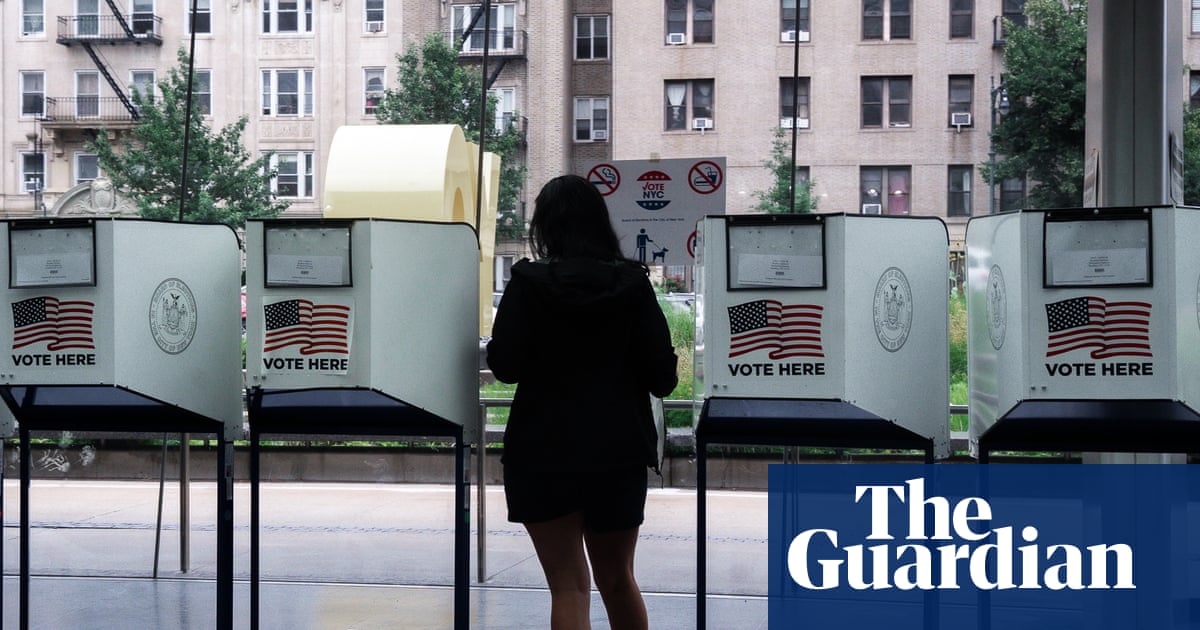
Specifically, the executive order would have forced the independent Election Assistance Commission to alter the federal mail voter registration form to demand documentary proof of citizenship. It also directed the secretary of defense to alter the Federal Post Card Application used by military members and Americans living abroad. Furthermore, the administration attempted to pressure states into compliance by threatening to withhold federal election funds from any state refusing to implement the new restrictions.
To help understand the specific statutory protections involved in this multi-state lawsuit, the court relied on longstanding federal voting laws:
- National Voter Registration Act (NVRA)
- A federal statute that governs voter registration rules for federal elections, designed to increase the number of eligible citizens who register to vote.
- Uniformed and Overseas Citizens Absentee Voting Act (UOCAVA)
- A federal law that protects voting access and ensures absentee ballot availability for military members and U.S. citizens living overseas.
The Response
Reaction from state election officials and civil rights organizations was swift, framing the decision as a critical defense of localized democratic processes. Democracy advocates had long warned that demanding physical documentation like birth certificates would disenfranchise thousands of eligible voters who lack immediate access to those files.
While the Constitution vests the President with 'executive Power' and commands him to 'take Care that the Laws be faithfully executed,' it does not grant the President any specific powers over elections.
State officials praised the ruling for keeping election administration firmly out of the West Wing's hands. New York Attorney General Letitia James expressed gratitude that the court blocked what she described as an unconstitutional attempt to seize control of elections, promising to continue defending voter access through the upcoming midterms.
Today’s news is an important reminder to our president that he does not administer our elections. Our Democratic Secretaries of States will use every tool we have to protect the right to run our elections at the local level, and the ability of our voters to lawfully participate.
The federal government defended its actions, arguing that the measures are necessary steps to prevent noncitizen voting, which is already a felony under federal law. Following the related SAVE database shutdown earlier in the week, Department of Homeland Security General Counsel James Percival criticized judicial resistance on social media, stating it was amazing how hard opponents would fight to stop the administration from solving immigration-related voting issues.
Putting It in Perspective
The permanent injunction directly impacts extended mail ballot receipt deadlines across a minimum of 13 plaintiff states, including Arizona, California, Colorado, Hawaii, Illinois, Maryland, Massachusetts, Michigan, Nevada, New Jersey, New Mexico, New York, and Rhode Island. Under the executive order, mail-in ballots that arrived after Election Day would have been disqualified, even if they were postmarked on time under state laws.
Judge Casper noted that throwing out ballots received after Election Day would disproportionately harm military personnel, elderly voters, individuals with disabilities, and rural residents who face unique delays in mail delivery service. Stripping away post-Election Day cure periods, which let voters fix minor signature or processing issues, risked disenfranchising tens of thousands of lawful citizens.
While this particular ruling blocks the first executive order, the Trump administration has already moved forward with a second directive aimed at creating a federal list of confirmed citizens and curbing mail-in voting. Concurrently, the U.S. Postal Service has proposed a rule requiring states to hand over voter barcodes and mail-in lists, with Postmaster General David Steiner warning that the postal service would halt ballot deliveries in states that refuse to comply.
Looking Ahead
The Department of Justice has signaled it will continue to defend the president's immigration and election enforcement agenda, meaning an appeal to a higher circuit court is virtually guaranteed. Meanwhile, a parallel legal challenge regarding mail-in ballot grace periods is currently sitting before the U.S. Supreme Court in the case of Watson v. Republican National Committee, which could instantly rewrite the rules for 14 states allowing post-Election Day receipt grace periods.
Recognizing the legal fragility of using executive orders to regulate voting, President Trump is heavily leveraging a legislative route. He has demanded that the Republican-controlled Congress pass the SAVE America Act to federally mandate proof of citizenship for voting. To force the issue, Trump canceled the signing of a bipartisan housing bill on Wednesday, declaring he will refuse to sign any legislation until the voting mandate lands on his desk.
Frequently Asked Questions
Can a president change voter registration requirements by executive order?
No. Federal courts have ruled that the U.S. Constitution gives the authority to regulate and administer elections strictly to individual states and the U.S. Congress, meaning a president cannot unilaterally alter federal voter registration forms or implement documentation requirements through an executive order.
What is the SAVE America Act that Congress is debating?
The SAVE America Act is a proposed bill pushed by the Trump administration that would mandate documentary proof of citizenship to register to vote nationwide. While it has successfully passed the House of Representatives, it remains stalled in the Senate, prompt President Trump to call for an end to the legislative filibuster to force its passage.
Do you currently need a passport or birth certificate to register to vote in federal elections?
No. The standard federal voter registration form requires applicants to legally attest under penalty of perjury that they are U.S. citizens. Intentionally providing false information is a federal felony punishable by prison time and deportation for noncitizens.
How does the court ruling affect mail-in ballots that arrive after Election Day?
The ruling permanently blocks the federal government from forcing states to reject mail-in ballots that arrive after Election Day, provided they were postmarked on time. This preserves existing grace periods in states like Arizona, California, and Michigan, protecting voters from postal delays.