Last updated: April 5, 2026
Trump’s Truth Social posts stir backlash amid Iran tensions and Easter message
A blunt, profanity-laced post from Donald Trump is ricocheting across social media just as tensions in the Middle East hit a new high. The former president’s latest messages on Truth Social mix threats toward Iran’s energy infrastructure with an unusually sharp tone—and even a surprising religious phrase that caught many off guard.
If you’ve been following this closely, you already know the backdrop: rising pressure around the Strait of Hormuz, a critical artery for global oil. But Trump’s posts didn’t just echo policy—they escalated the rhetoric.
What We Know So Far
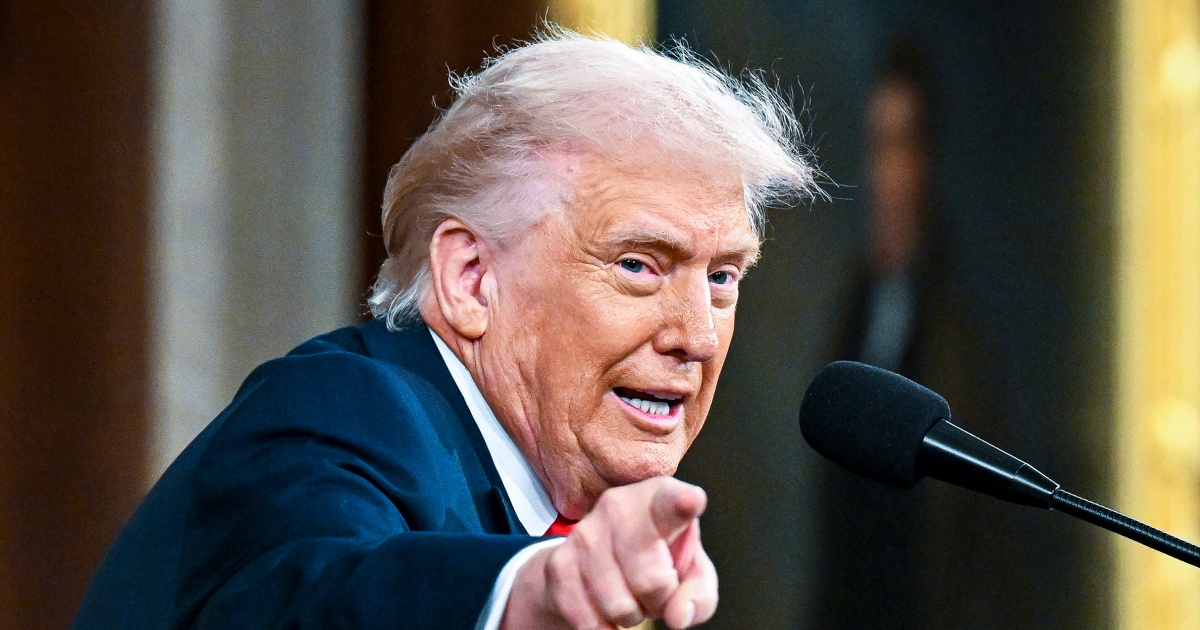
Over the weekend and into Sunday, Trump posted a series of messages on Truth Social addressing Iran, energy markets, and what he called an upcoming “power plant day.” The phrase itself left analysts scratching their heads, but the broader message was clear: he’s signaling a hardline approach tied to energy leverage.
At the center of it all is the Strait of Hormuz—a narrow passageway that carries roughly 20% of the world’s oil supply. Any disruption there can send gasoline prices soaring in the U.S. within days. Trump’s posts referenced the possibility of targeting Iran’s energy infrastructure if tensions escalate further.
Meanwhile, his Easter message veered into unexpected territory. In one line, he used the phrase “praise be to Allah,” sparking confusion and debate online. Was it rhetorical? Sarcastic? Or simply a nod to geopolitical messaging? No clarification followed.

Adding fuel to the fire, one post reportedly included explicit language directed at geopolitical rivals. That tone—more aggressive than typical campaign messaging—has drawn attention from both supporters and critics.
Here’s the thing: this isn’t happening in a vacuum. Similar moments in past election cycles have shown how sharp rhetoric can quickly influence markets, alliances, and public opinion. And with global oil prices already sensitive, even a hint of escalation matters.
The Response
Reactions have been swift and divided. Some political allies framed Trump’s posts as a show of strength.
He’s signaling that America won’t tolerate threats to global energy routes.
Critics, however, argue the language risks inflaming an already volatile situation.
When you mix unpredictability with real-world tensions, the stakes get dangerously high.
Even market watchers are paying attention. Oil futures showed slight volatility following the posts, reflecting how sensitive traders are to any signals around the Strait.
What It Means for You
If you’re in the U.S., this isn’t just political theater—it could hit your wallet. Gas prices are often the first domino. A disruption in the Strait of Hormuz can ripple through supply chains fast, pushing prices up at the pump.
There’s also the broader question of stability. Businesses that rely on shipping, airlines, and even grocery stores can feel the squeeze when energy costs spike. When the tide goes out, you see who’s swimming without trunks—and in this case, fragile supply chains are front and center.
For voters, these posts may also shape perceptions ahead of upcoming political milestones. Messaging like this often draws a sharp line between “strong leadership” and “risky escalation,” depending on who you ask.
Coming Up
All eyes are now on how the situation evolves in the coming days. Analysts expect more clarity around what Trump meant by “power plant day,” as well as whether any concrete policy proposals follow.
Meanwhile, developments in the Middle East—particularly around naval activity in the Strait—will likely drive the next wave of headlines.
At a Glance
- Trump posted aggressive messages on Truth Social about Iran and energy policy.
- The Strait of Hormuz, handling about 20% of global oil, is central to the tension.
- An Easter message included the phrase “praise be to Allah,” sparking debate.
- Markets showed early signs of volatility following the posts.
- Potential impact: rising gas prices and economic ripple effects in the U.S.
FAQ
Why is Trump’s Truth Social post trending?
The posts combine strong language, geopolitical threats, and unusual phrasing, all tied to a sensitive global issue. That mix has drawn attention from both political observers and everyday users.
What is the Strait of Hormuz and why does it matter?
It’s a narrow waterway connecting the Persian Gulf to global markets. About 20% of the world’s oil passes through it, making it critical for energy prices worldwide.
Did Trump actually threaten Iran’s energy infrastructure?
His posts suggested the possibility, though no formal policy or action has been announced. The language appears more like a warning than a confirmed plan.
How could this affect gas prices in the U.S.?
Any disruption or perceived risk in oil supply routes can push prices higher. Even speculation can move markets quickly.
What did Trump mean by “power plant day”?
The phrase hasn’t been clearly defined. Analysts believe it could signal a policy announcement or a rhetorical strategy tied to energy discussions.

Resources
Sources and references cited in this article.