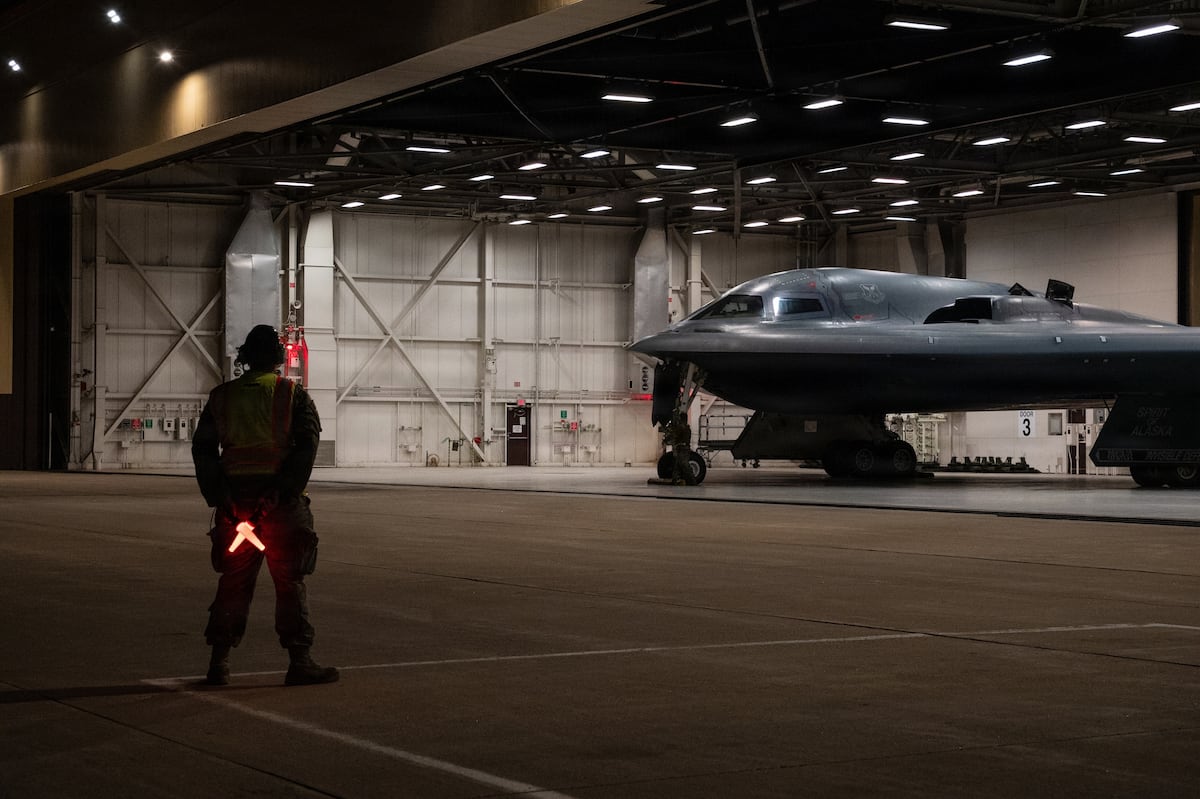
US launches 36-hour B-2 strike on IRGC targets amid rescue mission
Last updated: April 7, 2026
A 36-hour nonstop bombing run using stealth B-2 aircraft hit Iranian Revolutionary Guard targets in what officials describe as a high-risk, dual-purpose mission. The operation didn’t just target hardened bunkers—it unfolded alongside a rescue effort to extract a downed US airman. That overlap, military analysts say, is what makes this mission stand out.
The strike marks one of the longest and most complex air operations in recent years. And it comes at a moment when tensions between Washington and Tehran are already running hot.

What We Know So Far
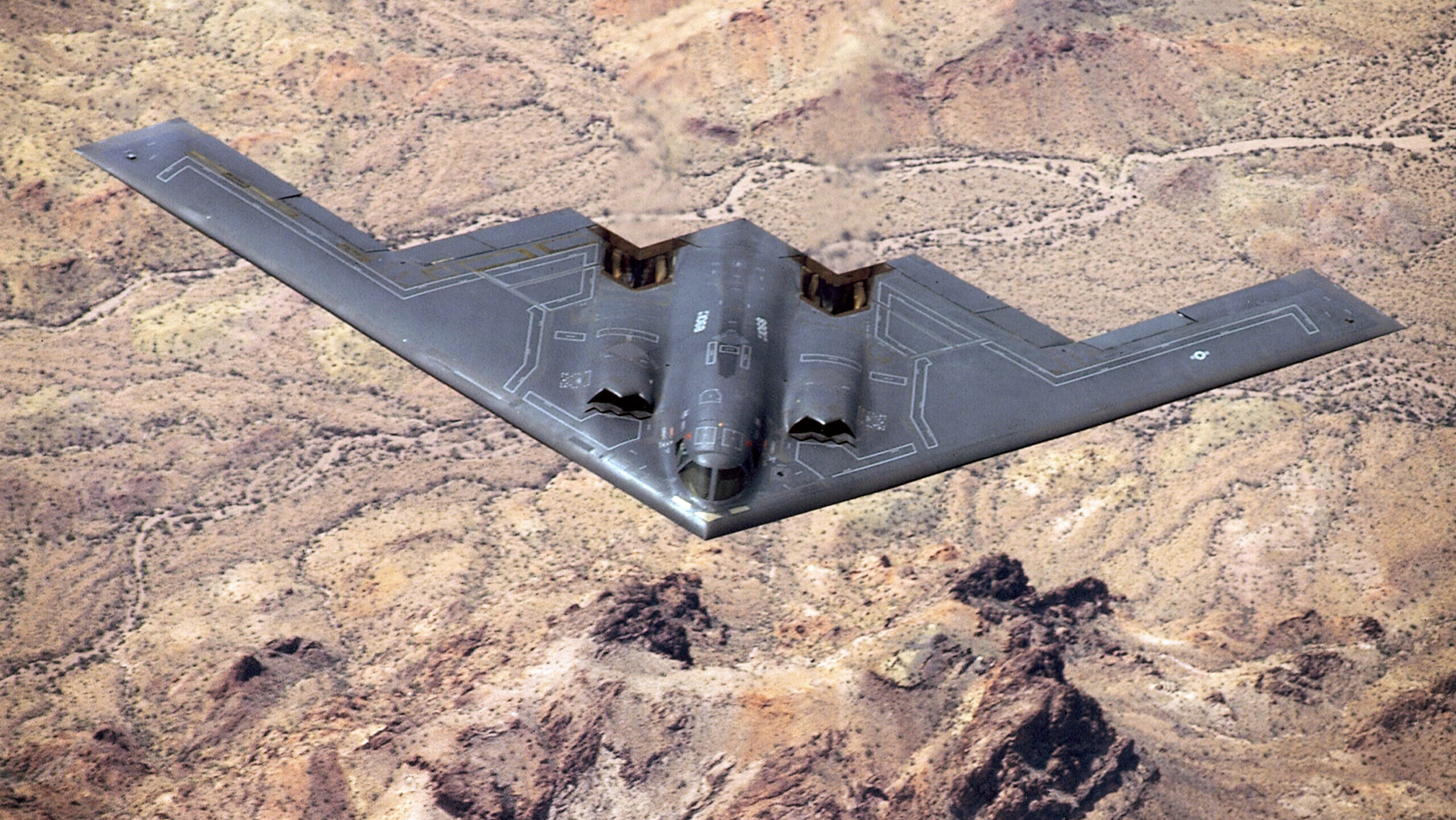
The mission involved US Air Force B-2 Spirit bombers flying roughly 36 hours nonstop to reach targets linked to Iran’s Islamic Revolutionary Guard Corps. These stealth aircraft are designed for deep-penetration strikes, capable of evading advanced air defense systems.
According to multiple reports, the operation targeted a fortified IRGC meeting location and nearby bunker infrastructure. One strike reportedly used a high-powered bunker-busting munition—often referred to as the "mother of all bombs"—to destroy underground facilities near Tehran.
Here’s where it gets more complicated. The strike appears to have been synchronized with a rescue mission aimed at retrieving a downed US pilot. That coordination suggests a broader operational goal: neutralize threats on the ground while securing personnel in real time.
Military planners likely weighed the risks carefully. Combining a strategic bombing campaign with a rescue mission is rare—and risky. But it also reflects a doctrine shift toward rapid, multi-layered operations.
Meanwhile, the choice of targets signals intent. The IRGC isn’t just another military branch; it’s central to Iran’s regional operations. Striking its leadership or infrastructure sends a message that goes beyond the battlefield.
The Response
Officials have been tight-lipped, but defense sources describe the mission as "precise" and "mission-critical." One senior military figure involved in planning emphasized the stakes:
This was about protecting American lives while degrading immediate threats on the ground.
On the ground, Iranian authorities have not released detailed casualty figures, but state-linked outlets have acknowledged damage to infrastructure near Tehran.
Meanwhile, analysts point out that this kind of operation—long-range, stealth-based, and multi-objective—is exactly what the US has been preparing for over the past decade.
What It Means for You
If you’re watching this from the US, the immediate takeaway is simple: this raises the stakes. Operations like this don’t happen in isolation. They often trigger responses—diplomatic, economic, or even military.

For everyday Americans, that could mean ripple effects. Think energy prices, security alerts, or increased military readiness. As one analyst put it, this isn’t just a flash in the pan—it’s part of a broader pattern of escalation.
There’s also the question of precedent. Similar long-range strikes have been used in past conflicts, but combining them with rescue operations adds a new layer. Two birds, one stone, as the saying goes—but with far higher stakes.
Coming Up
Expect more clarity in the coming days. Defense officials are likely to release additional details about the mission timeline and objectives. Congressional briefings are also expected, especially given the scale of the operation.
Internationally, watch for reactions from allies and adversaries alike. Diplomatic channels are already active, and any response from Iran could shape the next phase.
At a Glance
- US B-2 bombers conducted a 36-hour nonstop strike mission
- Targets included IRGC facilities and underground bunkers near Tehran
- Operation coincided with a rescue mission for a downed US pilot
- Bunker-busting munitions were reportedly used
- Signals rising tensions between the US and Iran
FAQ
Why did the US use B-2 bombers for this mission?
The B-2 is designed for stealth and long-range strikes, making it ideal for penetrating heavily defended areas like IRGC facilities. Its ability to carry bunker-busting weapons adds to its effectiveness.
What is the IRGC and why is it significant?
The Islamic Revolutionary Guard Corps is a key branch of Iran’s military, heavily involved in regional operations. Targeting it carries both military and political implications.
Was this part of a larger conflict?
Not officially, but the strike reflects escalating tensions between the US and Iran. Operations like this often occur during periods of heightened geopolitical friction.
How long do B-2 missions usually last?
They can exceed 30 hours with aerial refueling. The 36-hour duration in this case highlights the mission’s complexity and distance.
Could this affect US civilians?
Indirectly, yes. Rising tensions can influence fuel prices, security policies, and global markets, all of which impact daily life in the US.

Resources
Sources and references cited in this article.