Last updated: May 10, 2026
Vande Mataram debate intensifies as India weighs new legal protections
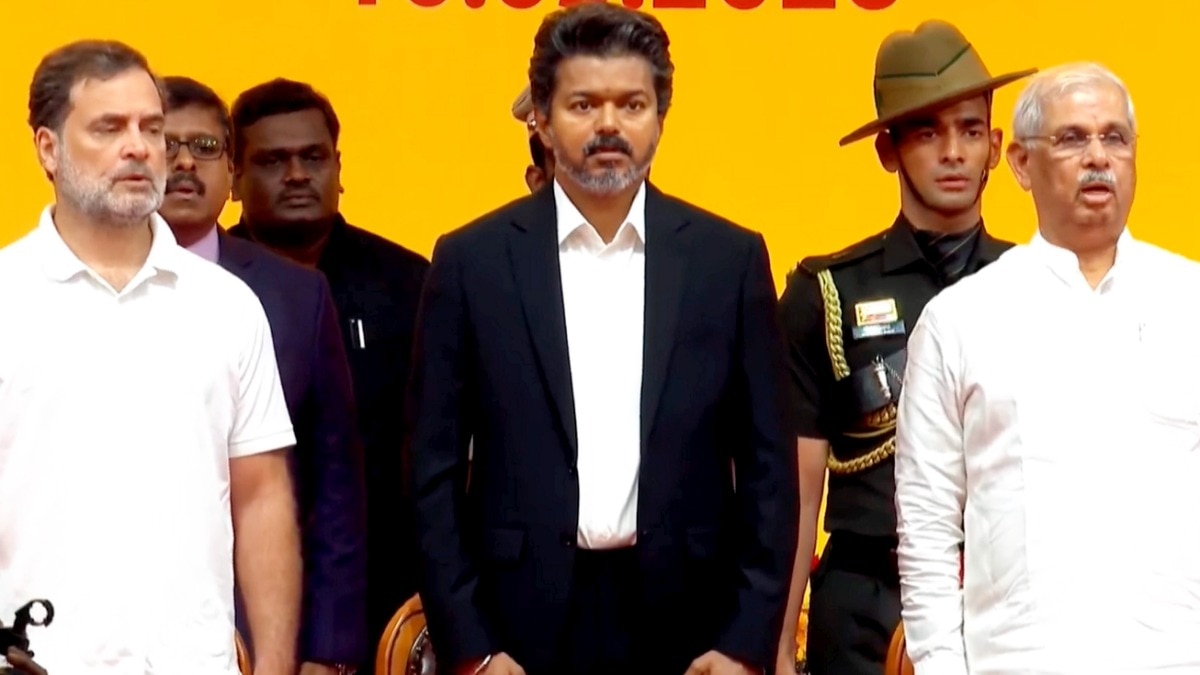
The sound of the full six-stanza version of “Vande Mataram” echoed through a packed swearing-in ceremony this week, turning what is usually a ceremonial patriotic moment into the center of a heated political and religious fight. Within hours, lawmakers, Muslim organizations, opposition leaders, and ruling party figures were publicly clashing over whether the song should receive stronger legal protection — and what that would mean for free expression and religious identity in India.
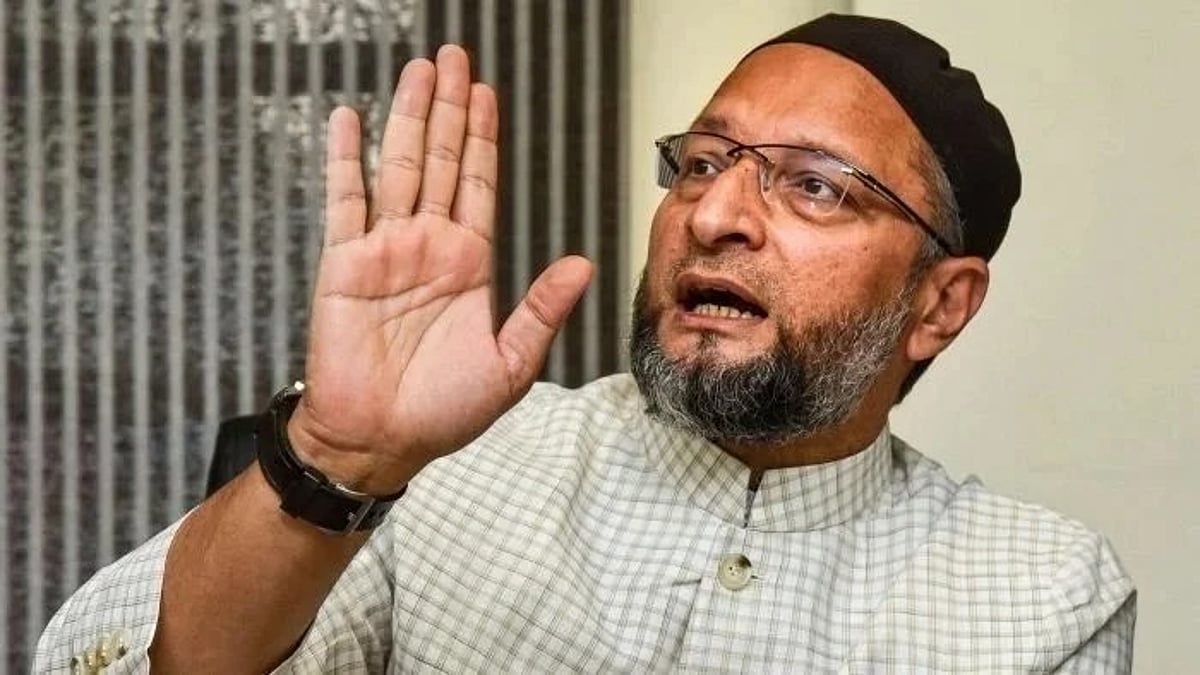
The latest controversy follows reports that India’s cabinet cleared an amendment that could make insulting “Vande Mataram” a punishable offense. That move triggered immediate backlash from Muslim groups and sharp comments from AIMIM chief Asaduddin Owaisi, who argued the song cannot be treated on par with the national anthem because of its religious references.
How Events Unfolded
The immediate spark came after the Indian cabinet reportedly approved changes that would criminalize insults directed at “Vande Mataram,” a song deeply tied to India’s independence movement. Supporters of the proposal say the measure is about protecting national pride and preserving symbols tied to anti-colonial resistance.
Then came the political pushback. Owaisi publicly objected to giving the song equal status with the national anthem, arguing that parts of the lyrics portray the nation as a goddess figure — something he says conflicts with Islamic beliefs. The All India Muslim Personal Law Board also criticized the proposal, calling it unconstitutional and undemocratic.
Meanwhile, ruling party figures doubled down. BJP leaders argued that national identity should come before religion in matters tied to patriotic symbols. One official response framed the debate in blunt terms: loyalty to the nation, they said, cannot be selective.
What's interesting is how quickly this shifted from a legal debate into a cultural one. The controversy now touches nationalism, minority rights, freedom of speech, and electoral politics all at once. The gloves are off, especially with regional parties and national groups trying to shape the public narrative ahead of future elections.
Digging Deeper
“Vande Mataram” has carried political baggage for decades. Written in the late 19th century during British colonial rule, the song became a rallying cry for independence activists. But some Muslim organizations have long objected to portions that personify India as a divine mother figure.
That tension is not new. Similar disputes surfaced in schools, state assemblies, and public ceremonies over the years whenever officials attempted to make the song mandatory or expand its symbolic status. In several earlier cases, courts in India balanced patriotic expectations against constitutional protections for religious freedom.
Here’s the thing: this latest proposal lands at a moment when debates over national identity are already highly charged across India. Cultural symbols — songs, slogans, historical figures, even textbook wording — increasingly carry political weight. For Indian Americans watching from the US, especially within large South Asian communities in cities like Chicago, Houston, and New York, these disputes often spill into diaspora politics and social media arguments almost instantly.
The timing also matters politically. Analysts in India see the controversy intersecting with regional power struggles, coalition building, and efforts by political parties to energize core voter bases. Reading between the lines, the fight is about much more than a song.
What People Are Saying
Vande Mataram cannot be treated on par with the national anthem.
Muslim organizations including the AIMPLB accused the government of using patriotism as a legal tool to pressure religious minorities. Their argument centers on constitutional freedoms and whether symbolic speech should carry criminal penalties.
Religion always comes after nation.
Supporters of the amendment say disrespect toward national symbols weakens social cohesion. Critics counter that criminalizing expression around a politically contested song could deepen divisions instead of resolving them.
The move is unconstitutional and undemocratic.
Putting It in Perspective
If the amendment becomes law, it could reshape how patriotic expression is regulated in India. Legal experts are already debating how authorities would define “insult,” whether the rules could be selectively enforced, and how they would interact with constitutional speech protections.
For readers in the US, this story also reflects a broader global pattern: governments increasingly turning symbolic identity issues into legal and political battlegrounds. Similar fights over flags, anthems, pledges, and historical narratives have played out in countries ranging from Turkey to France to the United States itself.

You might be wondering whether this affects everyday people directly. In practical terms, schools, government institutions, and public events could face increased scrutiny over how the song is performed or discussed if stricter legal protections move forward.
Looking Ahead
The next phase will likely play out in parliament and the courts. Opposition groups are expected to challenge the proposal aggressively, while supporters are framing it as a patriotic necessity.
More demonstrations, televised debates, and legal petitions appear almost certain. And because the issue blends religion, nationalism, and constitutional rights, the political fallout could stretch well beyond this news cycle.
For now, one patriotic song has become a flashpoint in a much larger debate over identity and power in modern India.
FAQ
Why is Vande Mataram controversial?
Some Muslim groups object to parts of the song that portray the nation as a goddess figure, arguing it conflicts with Islamic beliefs.
Is Vande Mataram India’s national anthem?
No. India’s official national anthem is “Jana Gana Mana.” Vande Mataram holds a separate historical and cultural status.
What changes is the Indian government considering?
The government reportedly approved an amendment that could make insulting Vande Mataram a punishable offense.
Could this affect free speech in India?
Critics argue the proposal may create legal risks around expression and dissent involving patriotic symbols.
Why does this matter in the United States?
Large Indian American communities closely follow political and cultural developments in India, especially debates tied to religion and national identity.

Resources
Sources and references cited in this article.