
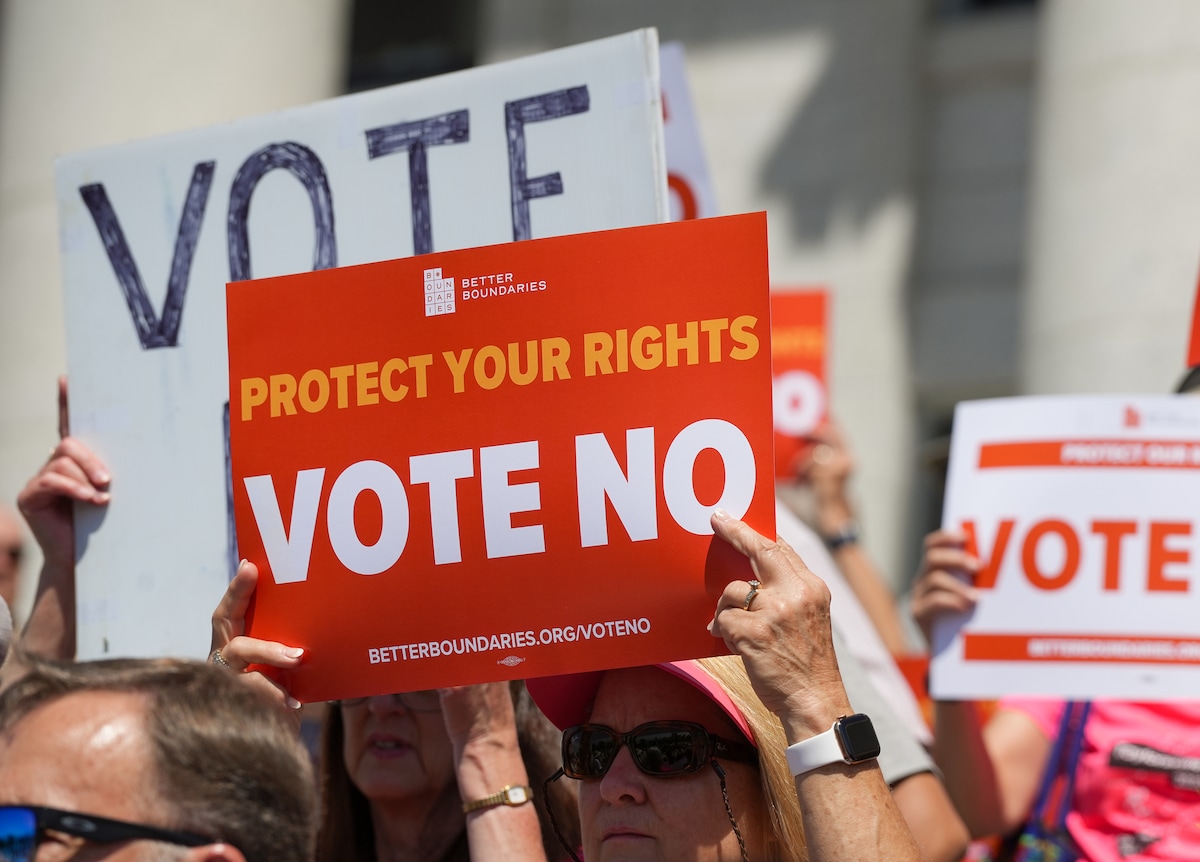
Utah's political battlefield shifted decisively this week as Republican legislative leaders unexpectedly backed down from a high-stakes effort to alter the state constitution. The move halts a planned November ballot measure designed to weaken the power of citizen-led ballot initiatives. Concurrently, a group of prominent local GOP politicians abruptly dismissed their federal lawsuit that sought to block a court-ordered congressional map. Together, these developments mark a significant pause in the yearslong tug-of-war over how political boundaries are drawn in the state.
Behind the Headlines
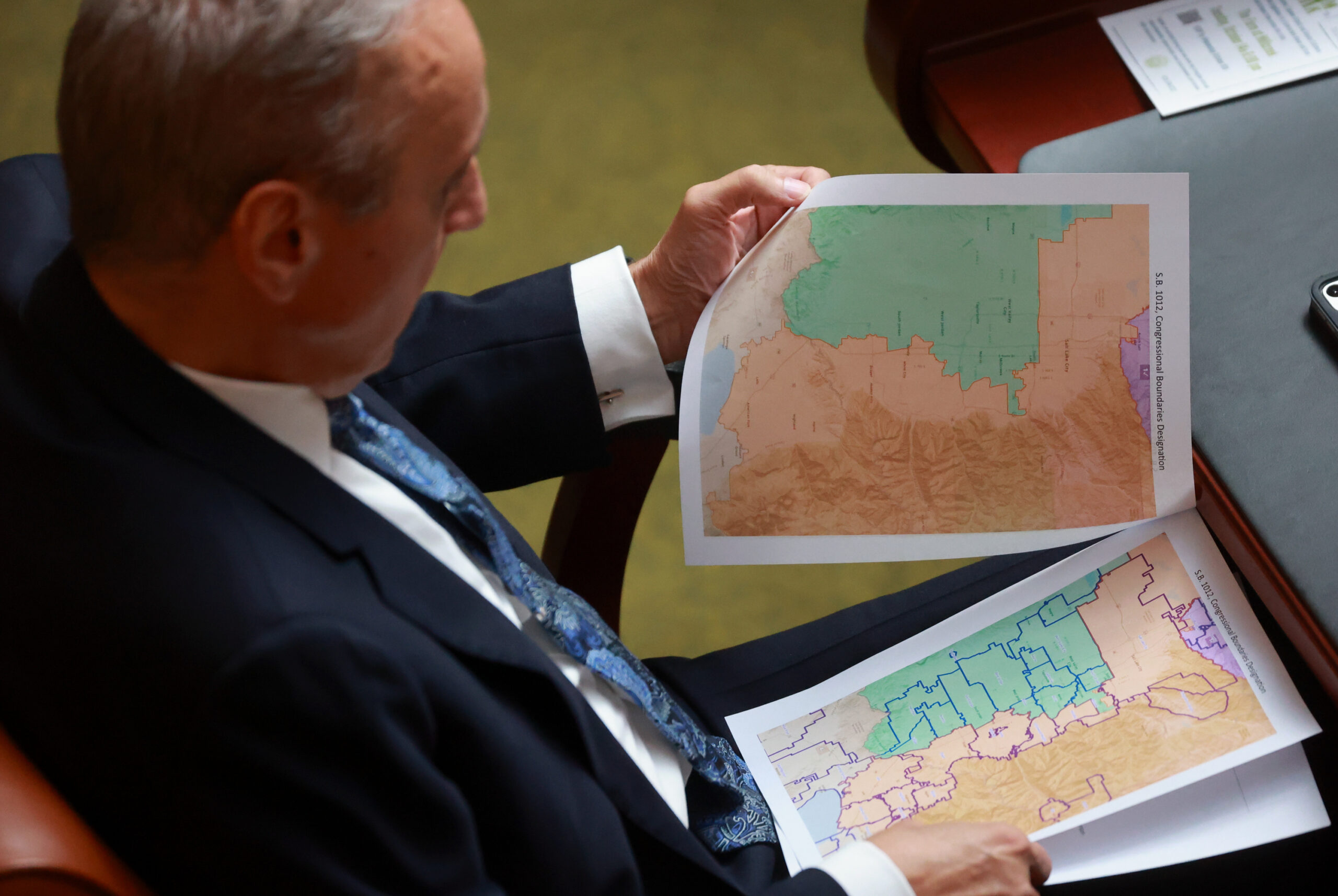
The conflict traces back to 2018 when Utah voters narrowly passed Proposition 4, a citizen-backed initiative that established an independent redistricting commission and banned partisan gerrymandering. Seeking to preserve their authority, the Republican-controlled Legislature repealed the initiative in 2020 and passed SB200, reducing the commission to a purely advisory body and drawing their own favorable boundaries. This legislative maneuver prompted a 2022 lawsuit from the League of Women Voters of Utah and Mormon Women for Ethical Government, setting off a massive legal chain reaction.
Instead of relying on the Utah Attorney General's Office or internal staff, lawmakers bypassed traditional avenues to hire Consovoy McCarthy, a private law firm based in Washington, D.C. Invoices obtained via public records requests reveal that this legal defense has cost Utah taxpayers just over $1.859 million between January 2023 and April 2026. The financial commitment peaked in October 2025, when a single monthly bill reached $587,112 due to intensive expert analysis and map-drawing fees.
Here's What Happened
The financial and political pressure culminated this week in two distinct strategic retreats by the state's dominant political party. First, House Speaker Mike Schultz and Senate President J. Stuart Adams released coordinated statements confirming they would no longer pursue a special session to place a constitutional amendment on the upcoming ballot. The proposed amendment, which had been envisioned as a way to clarify legislative supremacy, is dead for the 2026 cycle.
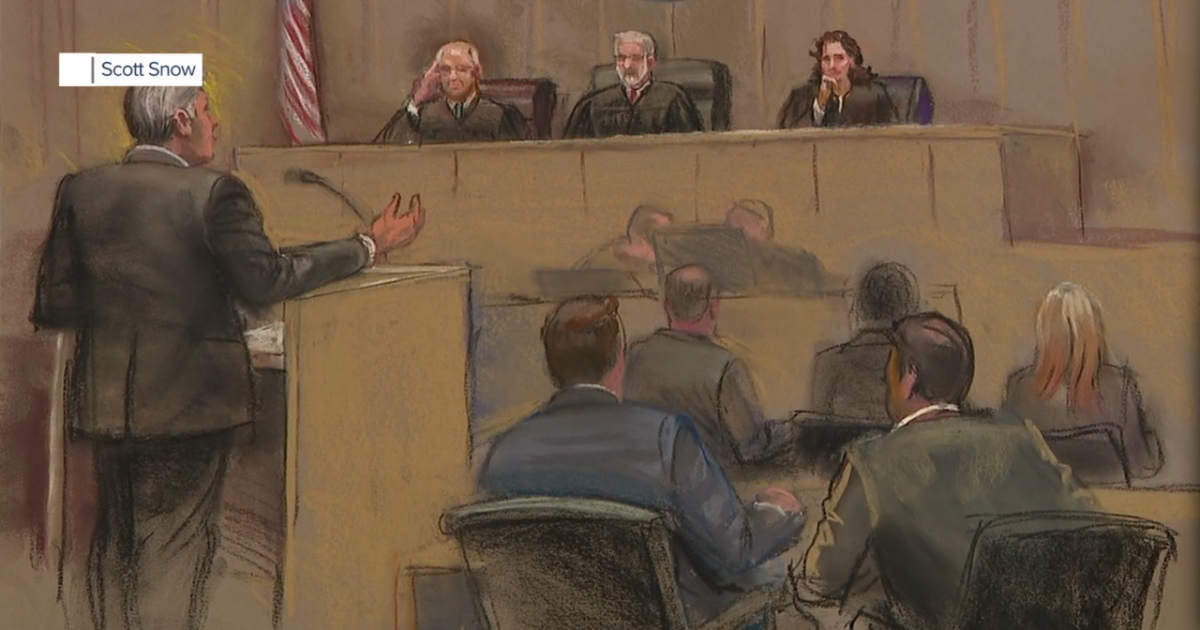
Hours later, a secondary legal track collapsed in federal court. A high-profile coalition of Republican politicians, including U.S. Representatives Burgess Owens and Celeste Maloy, voluntarily dropped their federal lawsuit against Lieutenant Governor Deidre Henderson. The suit had attempted to stop the implementation of the new, court-selected map. U.S. District Court Judge Robert Shelby signed the dismissal order following a firm deadline, bringing an immediate close to that federal challenge.
This double retreat follows a sequence of adverse judicial rulings. Third District Judge Dianna Gibson previously determined that the Legislature violated the state constitution by ignoring Proposition 4. When lawmakers submitted replacement boundaries that failed to meet neutral standards, Judge Gibson rejected them and instead adopted a map designed by the plaintiffs.
Voices & Opinions
State Republican leaders maintain that their decision is a strategic pause rather than a total surrender. Speaker Schultz framed the choice as a respect for the legal timeline, stating,
We believe it’s appropriate to allow the litigation to continue through the courts before considering whether any further action is necessary.
Advocates for voting access viewed the decision as a direct consequence of public dissatisfaction and recent electoral accountability. Voting rights groups pointed to the recent primary defeat of Senate President Adams as a sign that voters are paying attention to institutional boundaries. Elizabeth Rasmussen, executive director of Better Boundaries, observed that the legislature faced immense pressure after members saw real consequences at the ballot box for challenging citizen initiatives.
The Bigger Picture
The implementation of the court-ordered map reshapes the political reality for communities across Utah. Under the previous configuration, Republican voters were distributed across all four congressional districts, diluting urban voting blocs. The new configuration establishes a Salt Lake County-centric district that political analysts believe favors Democrats. This shift is already altering career paths; Representative Burgess Owens chose not to seek reelection this year after the new lines split his previous support base.
The policy adjustments extend beyond district lines. While the broader amendment regarding initiative overrides is shelved, Utahns will still encounter two distinct constitutional questions this November. One measure requires any future citizen initiative that implements a tax increase to secure a 60% supermajority rather than a simple majority. The second seeks to remove an archaic requirement that all constitutional changes be published in local newspapers, an issue that previously invalidated a prior legislative effort known as Amendment D.
The Road Ahead
The legal machinery moves next to the Utah Supreme Court, where oral arguments are formally scheduled for September 9. Justices will evaluate outstanding claims from the initial League of Women Voters lawsuit, alongside challenges to a recently created three-judge constitutional court panel. The outcome of these hearings will dictate whether the current congressional maps remain fixed for future election cycles or if lawmakers can launch a renewed challenge ahead of 2028.
Frequently Asked Questions
Why did Utah lawmakers stop the constitutional amendment?
Legislative leaders chose to let ongoing state court litigation finish rather than forcing a special session to place the amendment on the November ballot.What happened to the federal lawsuit over Utah maps?
Republican representatives and local officials voluntarily dismissed their federal lawsuit without providing an explanation, allowing the court-ordered map to stand.How much did the redistricting lawsuit cost Utah taxpayers?
Utah taxpayers paid approximately $1.86 million to a private Washington, D.C. law firm hired by the Legislature to defend the repeal of Proposition 4.
How does the new Utah map affect the midterm elections?
The court-selected map creates a Democratic-leaning district centered in Salt Lake County, altering the balance of the state's previously all-Republican congressional delegation.
Will there be any constitutional amendments on the Utah ballot this November?
Yes, voters will still decide on measures requiring a 60% approval threshold for tax-raising initiatives and updating constitutional public notice requirements.