
NASA has officially set the coverage and preparations for the Artemis II mission, which is scheduled to launch from Launch Complex 39B at the Kennedy Space Center in Florida as early as April 1, 2026. This historic flight will carry four astronauts on a 10-day journey around the Moon, marking the first time humans have traveled to lunar vicinity since 1972. The mission serves as a critical flight test to validate the Orion spacecraft's life-support systems for future deep-space exploration.
Key Points
- NASA is targeting an initial launch window opening on April 1, 2026, following the successful rollout of the Space Launch System (SLS) rocket to the pad.
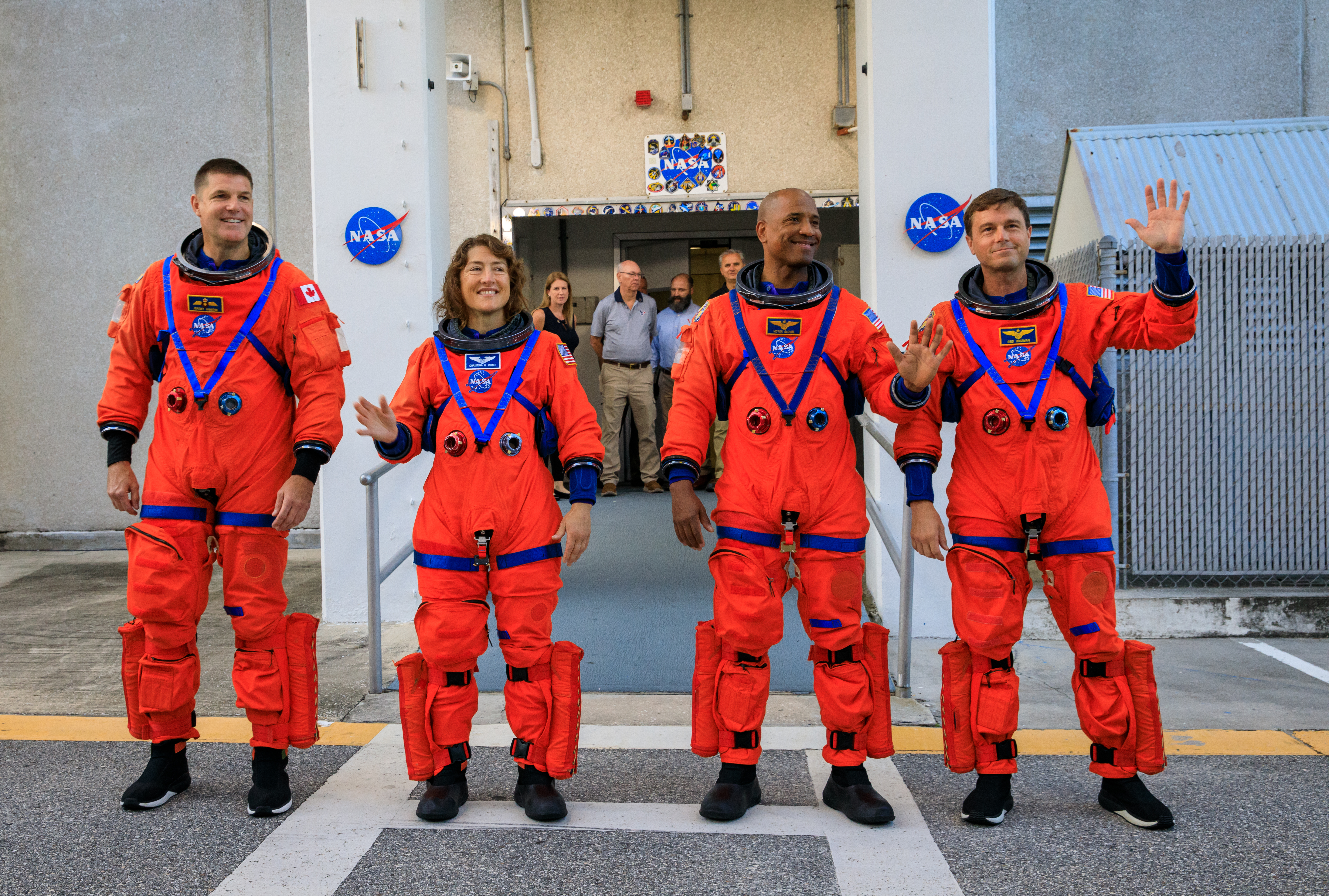
- The mission includes a diverse crew of four: Commander Reid Wiseman, Pilot Victor Glover, Mission Specialist Christina Koch, and Mission Specialist Jeremy Hansen.
- Astronauts have entered a strict pre-launch quarantine and isolation protocol to ensure health and safety before the 10-day mission.
- Successful completion of Artemis II is the prerequisite for Artemis III, which aims to land the first woman and first person of color on the lunar surface.
What Happened
In late March 2026, the 322-foot-tall Space Launch System rocket and Orion spacecraft were moved from the Vehicle Assembly Building to Launch Pad 39B. Engineers and technicians at the Kennedy Space Center completed final integrated tests, reporting no major technical issues hindering the April schedule. The crew has transitioned into their final training phase, which includes practicing ingress procedures and emergency exits at the pad. Good things come to those who wait, as this mission follows years of development and the successful uncrewed Artemis I flight in late 2022.

Key Developments
NASA has released a comprehensive media advisory detailing the live broadcast schedule for the launch attempt. The crew will utilize a high-speed laser communications system to send high-definition imagery and video from lunar orbit back to Earth. Additionally, the mission profile confirms the spacecraft will reach a distance of more than 230,000 miles from Earth, swinging around the far side of the Moon before utilizing a free-return trajectory for a splashdown in the Pacific Ocean.
This is a flight test. We are going to exercise the systems to their limits to ensure we are ready to return to the lunar surface.
Why This Matters
Artemis II is the first human mission to the Moon in over 50 years, shifting NASA's focus from Low Earth Orbit (LEO) to deep space. It tests whether the Orion spacecraft can safely maintain a breathable atmosphere, regulate temperature, and protect inhabitants from radiation over an extended period. This mission also solidifies international partnerships, as Mission Specialist Jeremy Hansen represents the Canadian Space Agency, making Canada the second nation to send an astronaut into deep space.

What Happens Next
NASA will begin the official launch countdown 48 hours prior to the April 1 window. Following the 10-day mission and splashdown, the Orion capsule will be recovered by the U.S. Navy for a multi-month post-flight analysis. If all systems perform as expected, NASA will finalize the timeline for the Artemis III lunar landing mission, currently projected for 2027.
Key Terms
- SLS (Space Launch System)
- The most powerful rocket ever built by NASA, designed to send the Orion spacecraft to the Moon.
- Free-Return Trajectory
- An orbital path that uses the Moon's gravity to pull a spacecraft back toward Earth without requiring heavy engine burns.
FAQ
When is the Artemis II launch date?
NASA is currently targeting April 1, 2026, for the launch of Artemis II. The mission window depends on favorable weather conditions and final technical checkouts at the Kennedy Space Center.
Who are the crew members for Artemis II?
The crew consists of Commander Reid Wiseman, Pilot Victor Glover, and Mission Specialists Christina Koch and Jeremy Hansen. This group includes the first woman, first person of color, and first non-American to fly to the lunar vicinity.
How long will the Artemis II mission last?
The mission is planned to last approximately 10 days. This duration allows the crew to complete a lunar flyby and return to Earth for a Pacific Ocean splashdown.
Will the Artemis II astronauts land on the Moon?
No, the Artemis II mission is a flyby and will not land on the lunar surface. Its primary goal is to test the spacecraft's systems with a crew on board before the Artemis III landing mission.