
A sharp early-morning jolt woke residents across parts of the Inland Empire after a 3.3 magnitude earthquake struck near Redlands in San Bernardino County. While the quake was relatively small by California standards, people from Riverside to Rancho Cucamonga reported feeling the shaking, with some describing a sudden boom followed by a quick rattle.
The tremor hit during a week when seismic activity in the region was already on people's minds. That matters because even modest quakes tend to draw attention in Southern California when they arrive in clusters. If you're following earthquake alerts closely, you probably noticed how quickly social media lit up with reports from drivers, apartment residents, and early commuters.
It's the kind of wake-up call Californians know all too well.
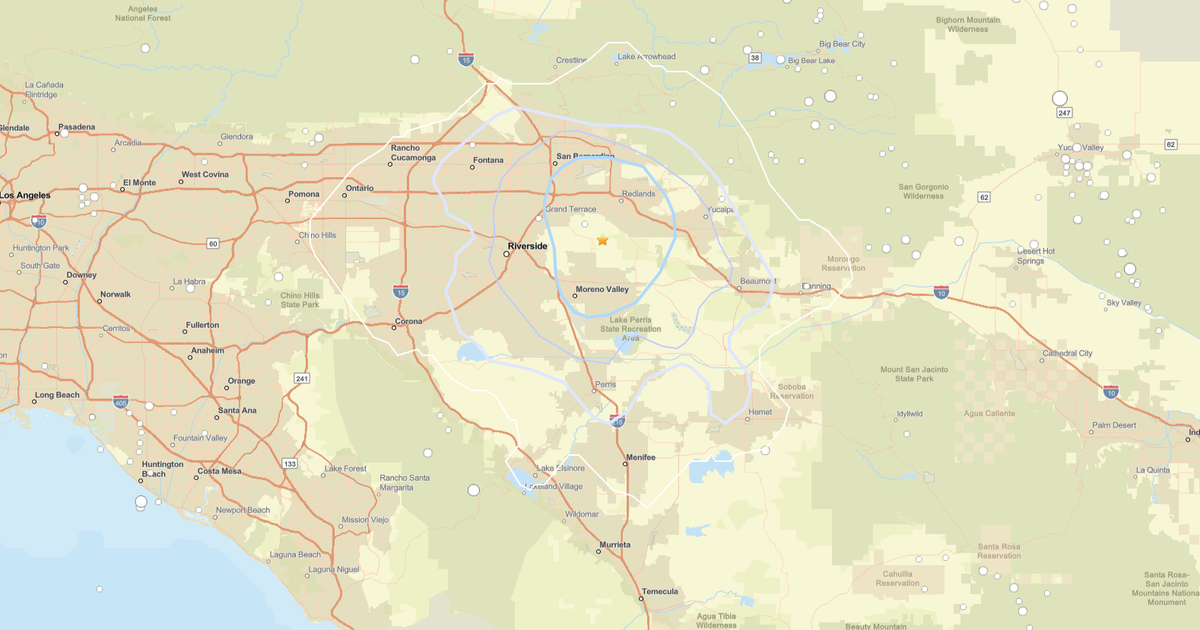
What We Know So Far
The earthquake measured 3.3 in magnitude and struck near Redlands, according to preliminary seismic data. The epicenter was located in San Bernardino County, an area crossed by several active fault systems that routinely produce minor to moderate seismic activity.
No major injuries or structural damage were immediately reported, which is generally expected for a quake of this size. Still, smaller earthquakes can feel surprisingly intense when they occur at shallow depths or close to residential neighborhoods. In apartment-heavy communities around Redlands and nearby cities, many residents said the shaking was strong enough to rattle windows and briefly knock items off shelves.
Meanwhile, this was reportedly the second noticeable earthquake in the region within the same week. That's one reason the story spread quickly online. Even when experts say there's no sign of a larger quake coming, repeated tremors naturally put people on edge.
Southern California experiences thousands of earthquakes each year, though most are too weak to notice without instruments. What's interesting is how public awareness has changed in recent years. Smartphone alerts, neighborhood apps, and rapid social sharing now mean even smaller seismic events become regional conversations within minutes.
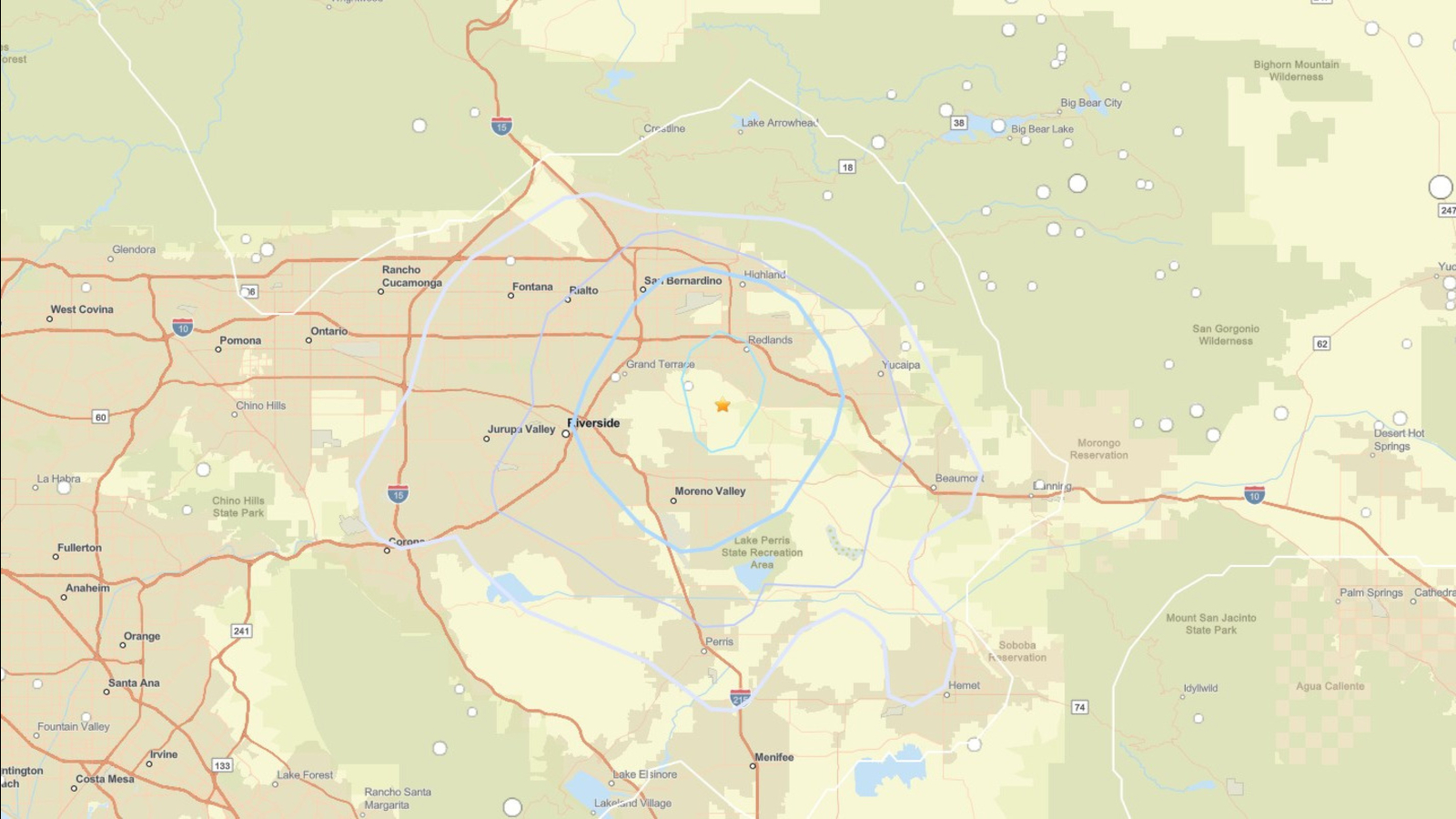
Historically, clusters of small earthquakes are not unusual in the Inland Empire. Similar swarms have happened before in areas stretching from Riverside County through the Mojave Desert. Most fade without escalation, though emergency officials often use these moments to remind residents about preparedness kits, emergency contacts, and evacuation planning.
For many families in California, the concern is less about this specific quake and more about the constant reminder that larger seismic events remain possible. State emergency agencies have repeatedly warned residents not to treat smaller quakes as isolated curiosities but as opportunities to review readiness plans.
The Response
Local emergency agencies monitored the situation following the quake, while seismic tracking services collected thousands of public responses from people who reported feeling the shaking.
Did you feel it?
Transportation systems and utilities appeared to operate normally after the tremor. Schools and businesses across the Inland Empire opened without major disruption, though some residents said the jolt briefly interrupted morning routines.
You could see the familiar California reaction play out in real time online: some people joked about sleeping through it, others immediately checked emergency supplies. Better safe than sorry is practically a statewide motto when the ground starts moving.
What It Means for You
For people living in California, especially in earthquake-prone counties, even a smaller quake like this highlights the importance of preparation. Federal and state agencies recommend keeping at least three days of emergency food and water, portable chargers, flashlights, and copies of key documents accessible at home.
If you live outside California, stories like this still matter because earthquake readiness has become a national conversation. Several states across the West now review seismic building standards more aggressively than they did a decade ago, particularly after repeated costly disasters.

Here's the thing: smaller earthquakes also test emergency communication systems. Quick alerts, local coordination, and public response times all become part of a larger readiness picture. In practical terms, events like this help agencies identify weaknesses before a larger emergency occurs.
And for homeowners? Insurance conversations often spike after noticeable tremors. Standard homeowner policies usually do not include earthquake coverage unless purchased separately.
Coming Up
Seismologists will continue monitoring aftershocks and regional seismic activity over the coming days. Residents are also expected to receive updated preparedness guidance from local agencies and earthquake safety organizations.
Officials have not indicated any elevated emergency threat level tied to this quake. Still, Southern California emergency teams remain in routine monitoring mode given the area's long history of seismic movement.
Residents can review earthquake safety guidance through official emergency preparedness resources and local county emergency management pages.
At a Glance
- Magnitude: 3.3 earthquake near Redlands, California
- Location: San Bernardino County in the Inland Empire
- Impact: No major injuries or serious damage immediately reported
- Context: Second noticeable quake reported in the region this week
- Public reaction: Widespread social media reports across Southern California
- Key takeaway: Emergency officials continue emphasizing earthquake preparedness
FAQ
Did the Redlands earthquake cause any damage?
Early reports did not indicate major structural damage or serious injuries. Most residents described brief shaking and rattling, typical for a quake measuring 3.3 in magnitude.
Where was the earthquake centered?
The quake was centered near Redlands in San Bernardino County, part of Southern California's Inland Empire region. The area sits near several active fault systems.
Was this connected to another recent earthquake in California?
The quake came during a week with other noticeable seismic activity in the region. Scientists frequently monitor whether clustered earthquakes are related, though many minor events occur independently.
Can a 3.3 magnitude earthquake be dangerous?
Quakes of this size are generally considered minor, but they can still cause localized shaking and occasional minor property damage. The danger increases if buildings are older or not reinforced.
Why do Californians feel small earthquakes so often?
California sits along active fault lines tied to tectonic plate movement. Thousands of earthquakes happen each year statewide, though most are too weak to notice.
What should people do after feeling an earthquake?
Experts recommend checking for injuries, inspecting utilities for leaks or hazards, and reviewing emergency plans. Residents should also monitor official alerts in case aftershocks occur.