
SpaceX is finally putting a date on the first launch of Starship Version 3, the towering next-generation rocket system Elon Musk believes will carry humans back to the Moon and eventually to Mars. After months of speculation, engine tests, fueling rehearsals, and hardware upgrades, the company is now targeting May 19 for the debut flight.
The scale alone is staggering. Starship V3 is now the tallest rocket ever assembled, powered by a Super Heavy booster carrying 33 Raptor engines. Meanwhile, engineers are treating this mission as far more than another flashy launch livestream. For NASA's Artemis program and the broader commercial space race, this flight could decide how quickly the United States moves toward regular deep-space missions.
And here's the thing: SpaceX is taking a different approach this time. The company is reportedly skipping a booster catch attempt during the first V3 flight, a sign that reliability and orbital performance now matter more than spectacle.

What We Know So Far
Starship V3 represents the biggest redesign of the system since SpaceX began full-scale flight testing along the Texas Gulf Coast. The rocket includes upgraded fuel systems, revised heat shielding, structural changes, and refinements to the Raptor engines that power both the spacecraft and booster.
According to testing updates released over the past several days, SpaceX successfully fueled the V3 vehicle for the first time and also completed a full static fire of the 33-engine Super Heavy booster. That test matters because synchronized ignition remains one of the hardest engineering challenges in heavy-lift rocketry. If even a few engines fail during ascent, the mission profile changes instantly.
You might be wondering why this particular launch is drawing so much attention in the US space industry. The answer is simple: NASA is deeply tied to Starship's success. The agency selected a modified Starship vehicle as the lunar lander for upcoming Artemis Moon missions, meaning delays or technical failures could ripple directly into America's return-to-the-Moon timeline.
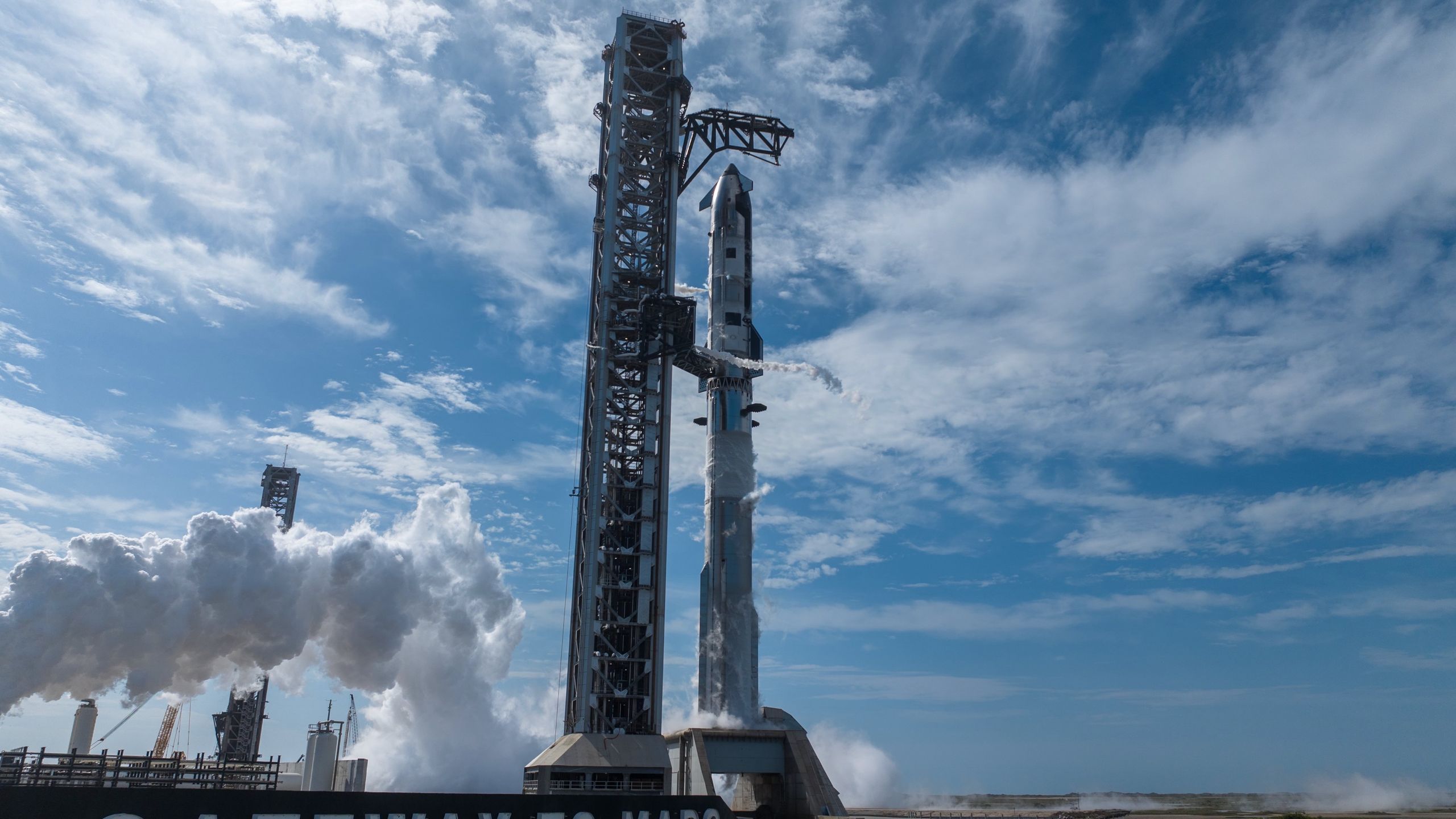
What's interesting is how SpaceX appears to be prioritizing orbit-capable performance over dramatic recovery maneuvers this time around. Earlier test flights focused heavily on catching the booster using giant launch tower arms — a maneuver that looked straight out of science fiction. For the V3 debut, though, engineers are reportedly willing to sacrifice that headline-grabbing moment in exchange for gathering cleaner flight data.
That strategy signals a shift in priorities. SpaceX now seems more focused on proving Starship can survive a full mission profile consistently, especially with NASA deadlines approaching. The rubber is meeting the road for the company in a way previous experimental launches never quite demanded.
The rocket itself has grown again, setting another height record. SpaceX engineers say the changes allow for more propellant capacity and improved payload performance, both essential if the company hopes to support lunar cargo missions, Starlink deployments, and eventually crewed Mars flights.
For American aerospace companies, the pressure is mounting. Blue Origin, United Launch Alliance, and international competitors are all racing toward reusable heavy-lift systems, but SpaceX continues moving at a pace the rest of the industry struggles to match.
What People Are Saying
Public comments from SpaceX leadership have focused heavily on reliability and flight readiness rather than flashy milestones. Elon Musk has repeatedly described Starship as the transportation backbone for long-duration human spaceflight.
Version 3 is designed for significantly improved reliability and performance.
NASA officials, while more measured publicly, continue emphasizing how important Starship development is for Artemis scheduling. Aerospace analysts have also pointed out that repeated fueling tests and static fires suggest SpaceX is becoming increasingly methodical after several dramatic failures during earlier campaigns.
Online reaction has been intense. Spaceflight communities are already treating this launch as one of the most consequential aerospace events of 2026. All eyes are on Texas as launch windows approach.
How This Affects You
If you're in the United States, this launch has broader implications than just another viral rocket clip on social media. Starship sits at the center of multiple taxpayer-funded NASA programs, including Artemis lunar missions that could shape American space policy for decades.
The economic angle matters too. SpaceX operations support thousands of engineering and manufacturing jobs across Texas, California, and Florida. A successful V3 campaign would likely accelerate additional government contracts, commercial satellite launches, and infrastructure investment tied to heavy-lift spaceflight.
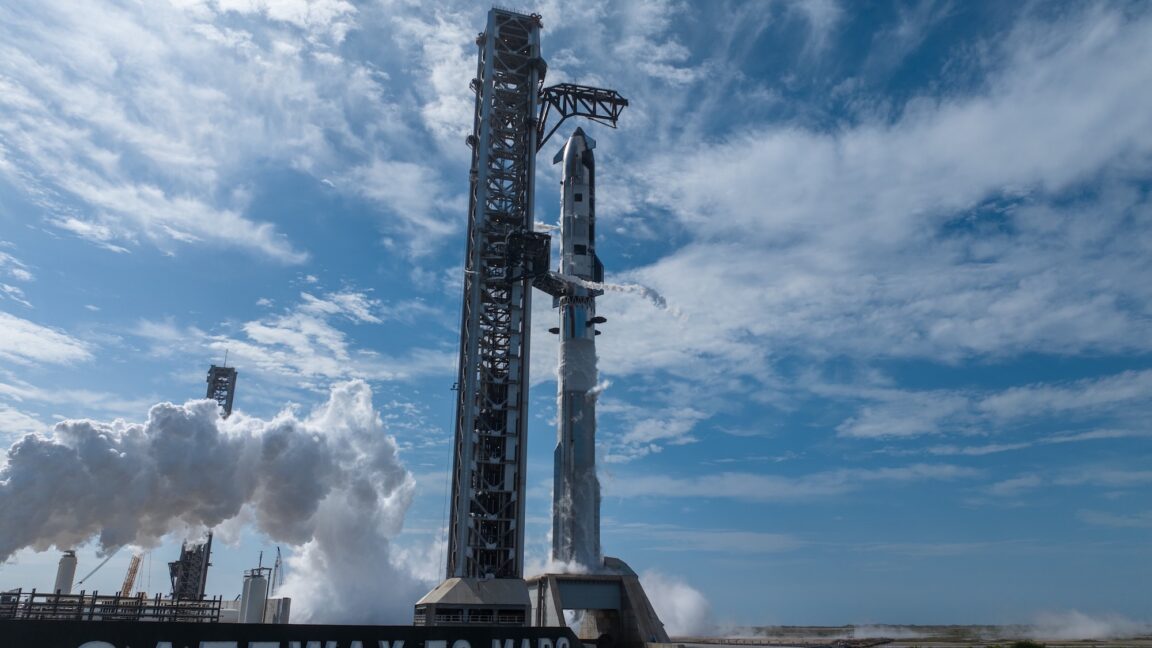
Meanwhile, regular consumers may eventually feel the impact through faster satellite internet expansion and lower launch costs. Starship is expected to dramatically reduce the price of sending cargo into orbit if the system becomes fully reusable.
And for Americans following the renewed Moon race? This is one of those moments where the future suddenly feels close again. No kidding — the technology being tested now could define how the next generation experiences space travel.
Coming Up
SpaceX is targeting May 19 for the debut V3 mission, pending final regulatory approvals and weather conditions near the Texas launch site. Engineers are expected to complete additional wet dress rehearsals and final system checks in the days leading up to launch.
The mission will likely focus on orbital performance, engine reliability, stage separation, and reentry data collection. NASA and commercial partners will be watching closely because future Artemis schedules may hinge on what happens during this flight.
For live updates and launch timing details, readers can follow SpaceX launch coverage and official timing updates.
At a Glance
- SpaceX is targeting May 19 for Starship V3's first launch.
- V3 is now the tallest rocket ever built.
- The Super Heavy booster uses 33 Raptor engines.
- SpaceX completed major fueling and static fire tests.
- NASA's Artemis Moon program depends heavily on Starship.
- The debut flight may skip a booster catch attempt.
FAQ
When is the SpaceX Starship V3 launch?
SpaceX is currently targeting May 19, pending weather and regulatory approval.
Why is Starship V3 important?
The upgraded rocket is central to NASA's Artemis Moon missions and SpaceX's long-term Mars plans.
What changed in Starship Version 3?
The rocket includes upgraded engines, revised fuel systems, improved heat shielding, and larger structural capacity.
Will SpaceX catch the booster during this launch?
Reports suggest the company may skip a booster catch attempt to prioritize mission performance and flight data.
How does this affect Americans?
Starship development impacts NASA programs, aerospace jobs, satellite internet expansion, and the future cost of space access.