
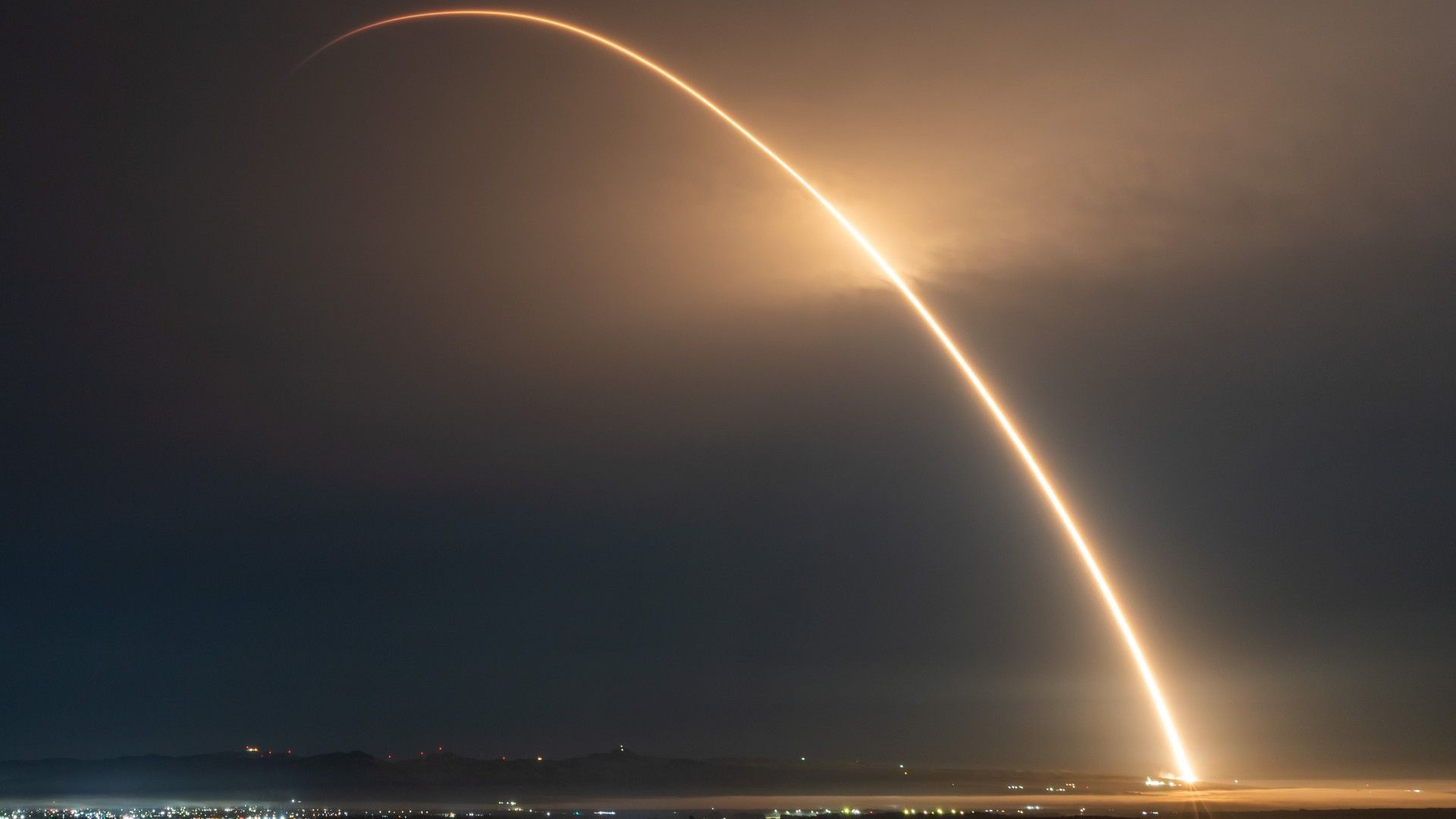
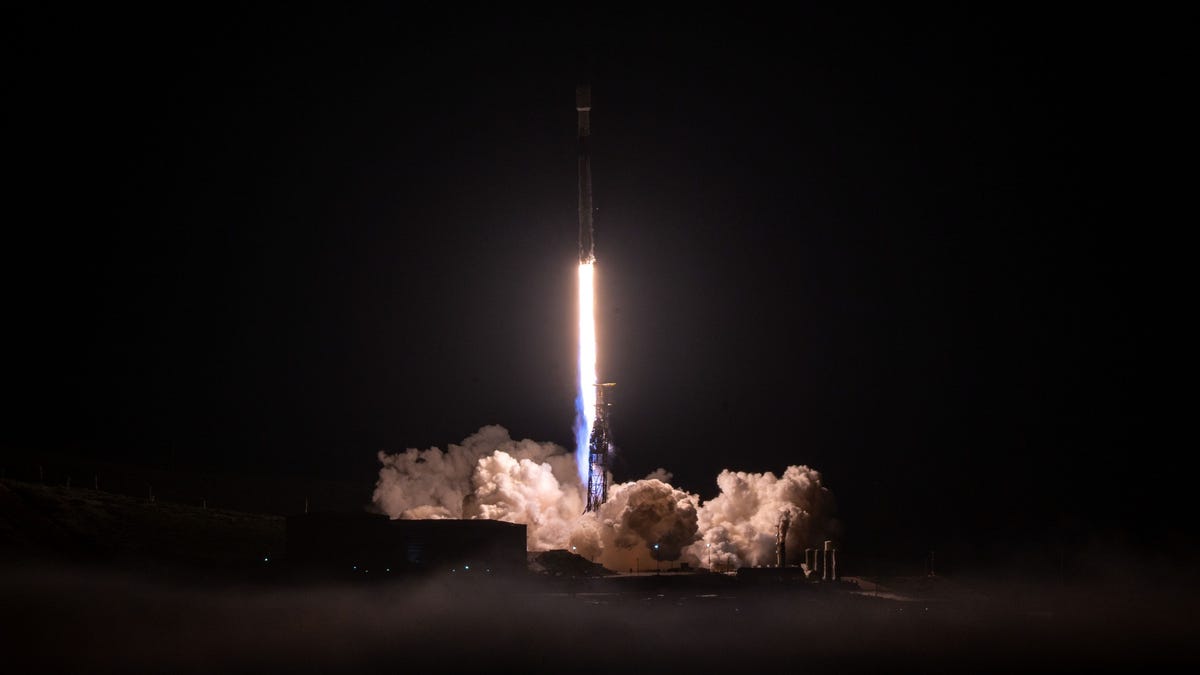
The sky over California’s Central Coast lit up again this week—another Falcon 9 streaking upward, engines roaring like a freight train overhead. People paused, phones out, capturing that familiar glow. Behind the spectacle, though, is something bigger: a rapid-fire series of launches pushing the limits of what one rocket system can do.
SpaceX is stacking missions at a pace that’s hard to ignore, including a rideshare launch carrying more than 100 satellites in a single flight. The latest activity centers on Vandenberg Space Force Base, where Falcon 9 keeps returning to the pad—and to headlines.

How Events Unfolded
It started with a scheduled Sunday launch out of Vandenberg. Falcon 9 was prepped to carry a batch of Starlink satellites—another step in expanding global internet coverage. Launch windows were tight, and visibility stretched across large parts of Southern California.
But that was just one piece of the puzzle. Days earlier, SpaceX completed its Transporter rideshare mission, packing 119 payloads onto a single rocket. That’s not just a big number—it signals a shift toward more efficient, shared access to orbit.
Meanwhile, smaller scientific satellites rode along, including ones designed to monitor Earth’s magnetic field. These missions aren’t flashy, but they matter—feeding data into navigation systems and environmental research.
And here’s the thing: this isn’t a one-off burst. Falcon 9 has turned into a workhorse, launching again and again with minimal downtime. Like a well-oiled machine, it’s redefining how often rockets can realistically fly.
Critical Details
The secret sauce? Reusability. Falcon 9’s first stage boosters are designed to land, refurbish, and fly again—sometimes within weeks. That cuts costs dramatically and opens the door to more frequent missions.
Transporter missions also play a key role. Instead of launching one satellite per rocket, SpaceX bundles dozens—or in this case, over a hundred—into a single trip. For smaller companies and research groups, that’s a game changer.
There’s also a strategic layer. Starlink launches continue to build a massive satellite network, aiming to deliver high-speed internet globally—including rural parts of the U.S. where connectivity still lags.
- Rideshare Mission
- A launch that carries multiple payloads from different customers on one rocket.
- Reusable Booster
- The first stage of a rocket designed to land and fly again, reducing costs.
- Starlink
- A satellite internet network operated by SpaceX to provide global broadband coverage.
Reactions & Responses
Industry watchers are paying attention. Frequent launches aren’t just impressive—they’re disruptive. Investors and analysts see it as a sign that the economics of space are shifting fast.
“Delivering over 100 satellites in one launch is wild—it shows how scalable this model is becoming.”
Local communities, meanwhile, have mixed reactions. Some residents enjoy the spectacle. Others raise concerns about noise and environmental impact. Still, launches have become a regular part of life along the Central Coast.
Putting It in Perspective
This pace of launches would’ve sounded unrealistic a decade ago. Back then, rockets were single-use, high-cost machines. Now, Falcon 9 is flying repeatedly, lowering barriers for everything from startups to government agencies.
For Americans, the impact is closer than it seems. Faster launches mean quicker deployment of communication networks, improved GPS systems, and more data for weather and climate monitoring. In short, space isn’t just for astronauts anymore—it’s infrastructure.
Looking Ahead
More launches are already on the calendar. SpaceX continues to refine turnaround times and expand its satellite network. If you’re following this closely, expect even denser launch schedules in the months ahead.
And with competitors racing to catch up, the next phase of the space industry could look very different—more crowded, more accessible, and a lot more active.
FAQ
What is Falcon 9 used for?
It launches satellites, cargo, and sometimes astronauts into orbit, with a focus on reusable technology.
How many satellites can Falcon 9 carry?
In rideshare missions, it has carried over 100 satellites at once, including 119 in a recent launch.
Where do these launches happen?
Many recent launches are from Vandenberg Space Force Base in California.
Why are launches happening more frequently?
Reusable boosters and shared missions reduce costs and allow faster turnaround between flights.
How does this affect everyday people?
It improves internet access, navigation systems, and environmental monitoring across the U.S.