
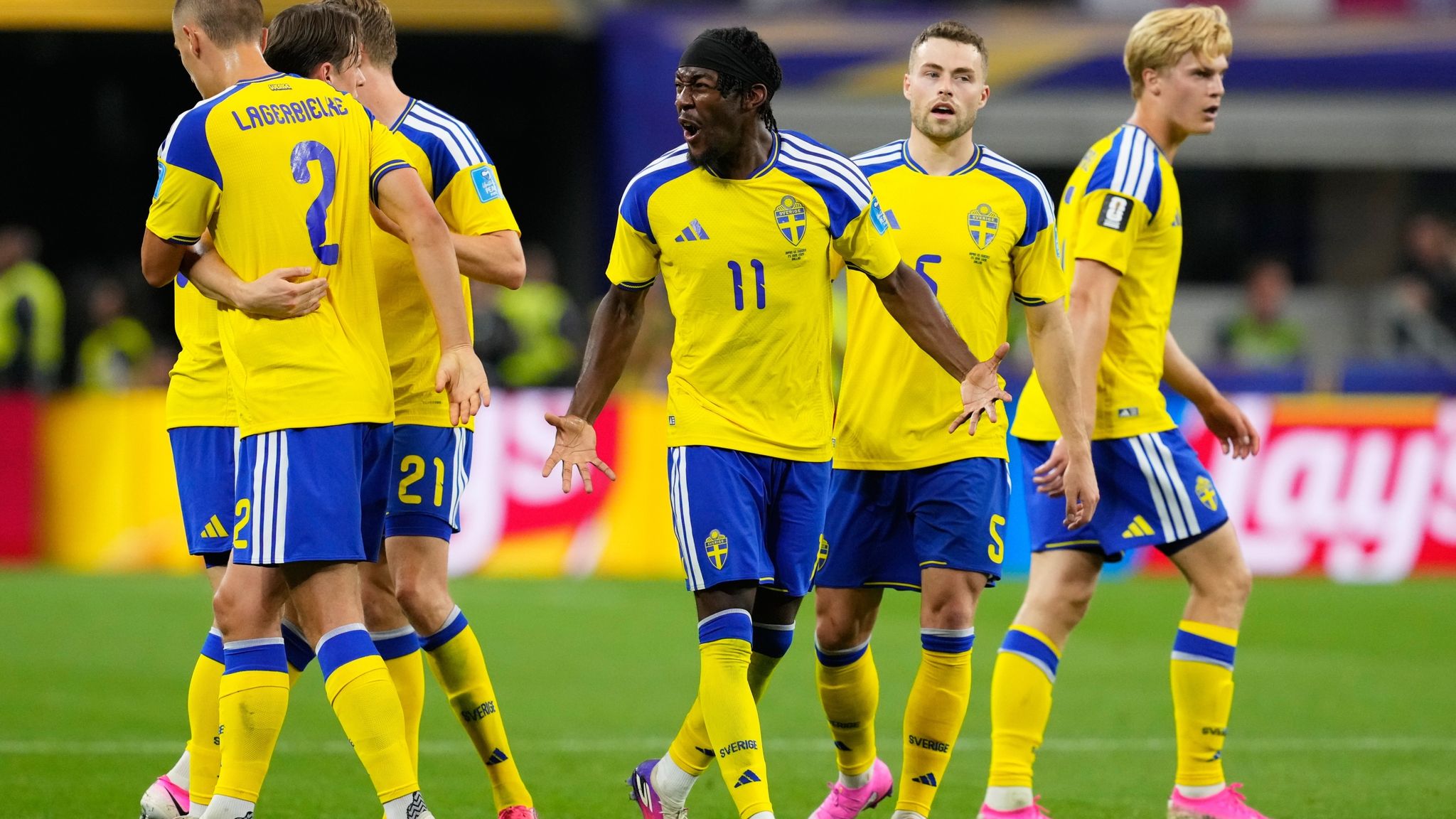
146 caps of experience or a roster full of premier talent couldn't stop the sheer, unadulterated confusion that engulfed Dallas Stadium at the final whistle. While fans in a sea of blue celebrated, Swedish winger Anthony Elanga slumped to the turf, pounding the ground in intense frustration, completely unaware that his spectacular second-half equalizer had just saved his nation's World Cup dream. It took a post-match intervention from head coach Graham Potter and teammate Alexander Isak to convince the exhausted winger that a 1-1 draw was more than enough to advance.
The Bottom Line
- Japan and Sweden both advanced to the World Cup Round of 32 following an honorable 1-1 draw at Dallas Stadium in Arlington.
- Daizen Maeda opened the scoring for Japan in the 56th minute following an intricate, high-speed team passing sequence.
- Anthony Elanga leveled the score just six minutes later with a magnificent, curling left-footed strike into the far corner.
- Japan finishes second in Group F with 5 points and will face five-time champions Brazil in Houston on Monday.
- Sweden progresses with 4 points as one of the best third-placed teams, concluding a dramatic group stage turnaround.
Breaking It Down
The highly anticipated Group F finale began as a cagey, tactical chess match. Seeking to counter the fluid 3-4-3 system deployed by Japan boss Hajime Moriyasu, Graham Potter mirrored the formation, handing a surprise start to goalkeeper Jacob Widell Zetterström. The first half yielded very little for neutral observers, defined by a rigid defensive display where clear-cut opportunities were scarce. Japan's Keito Nakamura forced a full-stretch save from Zetterström just before the interval, marking the Asian side's first shot on target after 40 minutes of sterile possession dominance.
The match exploded into life ten minutes after the restart. Ritsu Doan initiated a devastating, rapid passing sequence on the edge of the area, feeding Ayase Ueda before sliding a crisp, angled pass between the Swedish center-backs. Celtic forward Daizen Maeda made a perfectly timed run to meet the ball on the stretch, calmly screwing his shot past Zetterström to send the heavily outnumbered Japanese support into raptures.
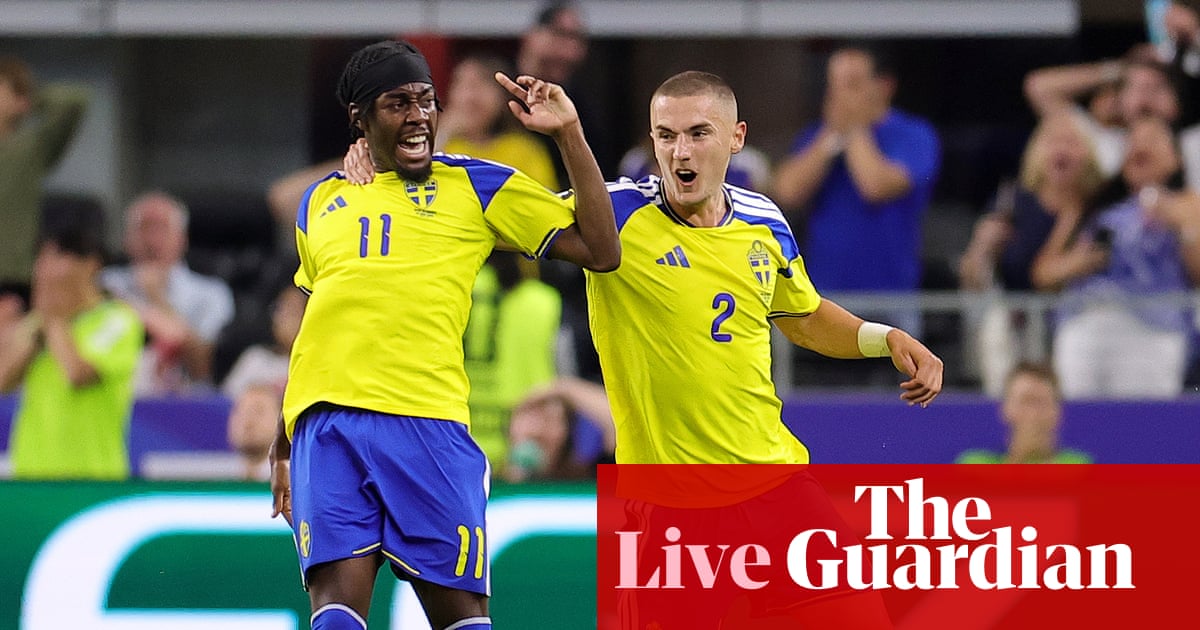
Sweden’s response was almost immediate. In the 62nd minute, Viktor Gyökeres dragged Japanese defender Ao Tanaka out of position with an unselfish run, leaving space for Elanga on the right wing. The Newcastle attacker cut sharply inside onto his left foot, launching an ambitious, swerving curler from the corner of the penalty area that left goalkeeper Zion Suzuki completely unsighted as it flew into the far mesh.
The final exchanges belonged to a rejuvenated Swedish side. Elanga forced a diving stop from Suzuki in the 93rd minute before Alexander Isak rose highest from the resulting corner, flicking a powerful header that Suzuki brilliantly tipped onto the crossbar. At full-time, the mutual qualification was confirmed, despite Elanga's dramatic, misinformed display of heartbreak on the pitch.
Why This Matters
This result represents a historic milestone for both footballing nations. For Japan, securing the runners-up spot avoids an immediate tournament exit and books a highly prestigious knockout clash against Brazil. Having recorded a stunning 3-2 friendly victory over the South American giants in Tokyo last October, Moriyasu’s squad will enter Houston with genuine confidence rather than fear.
For Sweden, reaching the knockout stage completes an incredible institutional recovery. When Jon Dahl Tomasson was dismissed last October, Swedish football sat at its lowest competitive ebb, languishing at the bottom of its qualification standings. Under Potter's guidance, the squad has rebuilt its defensive resilience, demonstrating an immense ability to manage fine margins against world-class opposition.

Credit to the players. They stood up and take responsibility, as they have in all the time I’ve been with them. It was a tough game against another good team but we stuck at it.
What Comes Next
Japan travels directly to Houston, Texas, where they will prepare to face Brazil on Monday, June 29. Meanwhile, the Netherlands claims the top spot in Group F following a 3-1 victory over Tunisia, booking their own Round of 32 match against Morocco in Guadalupe.
Sweden faces a brief period of uncertainty as the final third-place permutations settle across the remaining groups. Potter’s men will likely travel to New Jersey to face the winners of Group I, which will be decided between European powerhouses France and Norway on Tuesday, June 30.
Frequently Asked Questions
Who does Japan play next in the World Cup?
Japan will face five-time world champions Brazil in the Round of 32. The highly anticipated match is scheduled to take place at the stadium in Houston, Texas, on Monday, June 29.
Why was Anthony Elanga upset after the game?
Anthony Elanga mistakenly believed that Sweden required a victory against Japan to avoid elimination from the tournament. He was entirely unaware that a 1-1 draw was sufficient to secure advancement as a top third-placed team.
Who won Group F in the World Cup?
The Netherlands won Group F after defeating Tunisia 3-1 in their final group match. They finished ahead of second-placed Japan and third-placed Sweden to secure a knockout tie against Morocco.
Where will Sweden play their next World Cup match?
While their exact opponent depends on final group permutations, Sweden is highly likely to face the winner of Group I, either France or Norway. That knockout match is scheduled to take place in New Jersey on Tuesday, June 30.