Michael Phelps: The Raw Truth Behind His Mental Health Battle and Survival
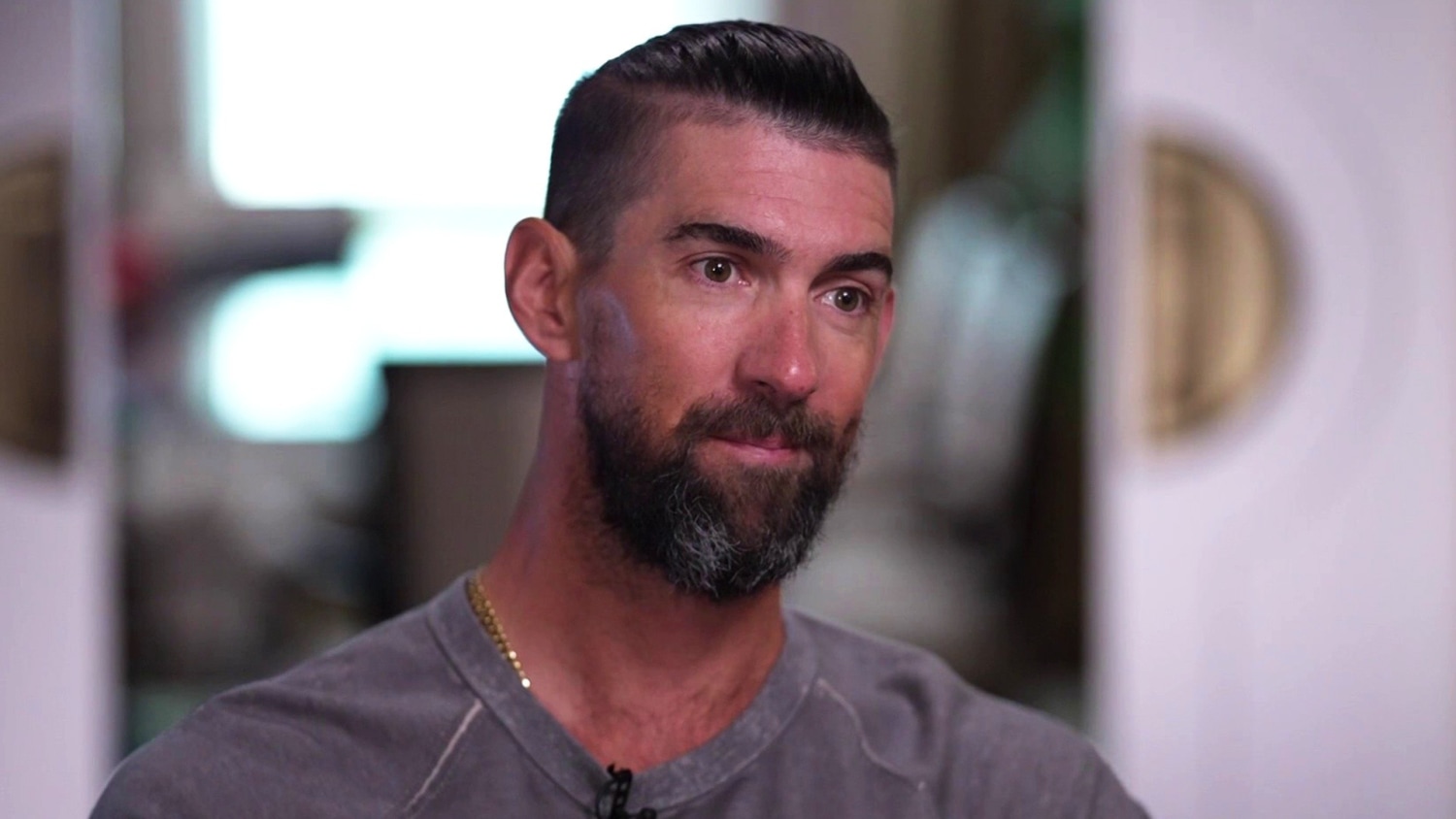
Twenty-eight. That is the staggering number of Olympic medals Michael Phelps collected during his legendary career, but the most important victory for the swimming icon wasn't in the pool—it was simply choosing to live. This week, the most decorated Olympian of all time opened up with harrowing honesty about his darkest days, revealing how close he came to a tragic overdose during his struggle with depression and Ambien use.
The Bottom Line
- Phelps revealed he struggled with severe depression and dependency on Ambien during his peak competitive years.
- The athlete admitted to a near-overdose experience, citing pure luck as the reason he survived those dark moments.
- He emphasized that asking for help was the single most difficult, yet life-saving, thing he ever did.
- Since retiring, Phelps has become a global face for mental health advocacy, aiming to de-stigmatize therapy for men.
- His latest reflections highlight the high pressure of elite sports and the isolation that often follows massive success.
Breaking It Down
For years, we saw Michael Phelps as a machine, a biological marvel designed to dominate the water. But behind the 23 gold medals was a man spiraling into a deep, silent void. Phelps recently shared that his reliance on sleep aids like Ambien became a dangerous crutch as he tried to manage the crushing weight of expectation and the adrenaline crashes following major meets.
The most chilling revelation involves a moment where he nearly crossed a line of no return. Phelps described a period of extreme isolation where he didn't care if he woke up the next day. Discussing his survival, he admitted it wasn't a master plan that saved him, but a fortunate stroke of fate that prevented a lethal overdose. To be at the end of one's rope while the whole world is cheering is a paradox few can truly grasp.
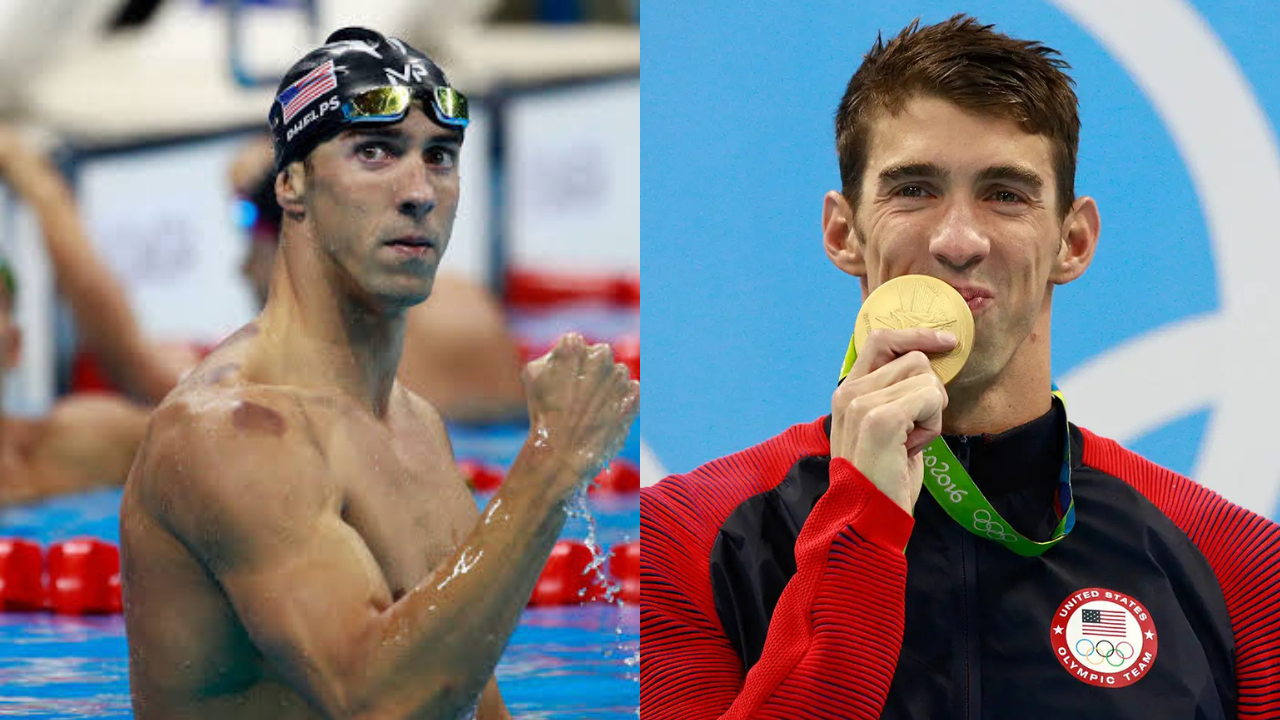
The turning point came when the champion finally surrendered to his vulnerability. Phelps notes that it took more courage to enter a treatment facility than it ever did to stand on the blocks at the Olympics. He credits professional intervention and the support of his family for helping him transition from a 'swimming machine' to a human being who is comfortable in his own skin.
I asked for help. It was the hardest thing I’ve ever had to do, but it saved my life.
Why This Matters
When someone of Phelps' stature speaks this candidly, it ripples through American culture. In a society that often equates athletic prowess with emotional invincibility, his story serves as a vital reminder: success does not insulate you from suffering. His advocacy is particularly poignant for young athletes in the US who face immense pressure in the age of social media and hyper-competition.
By detailing his brush with overdose, Phelps is pulling back the curtain on the 'post-Olympic blues'—a phenomenon where athletes feel a loss of identity after reaching the pinnacle of their careers. His openness helps shift the narrative from 'powering through' to 'reaching out.' For many Americans watching at home, seeing a 'superhuman' admit to human fragility makes their own struggles feel seen and valid.

What Comes Next
Phelps is expected to continue his partnership with mental health organizations through 2026, focusing on expanding access to therapy. As we approach the next Olympic cycle, his influence is likely to shape how Team USA supports its athletes' psychological well-being. If you or someone you know is struggling, you can reach the 988 Suicide & Crisis Lifeline by calling or texting 988 in the US.
FAQ
Why is Michael Phelps talking about mental health now?
Phelps has been an advocate for years, but his recent interviews provide deeper, more specific details about his past substance struggles and the near-fatal consequences he faced during his darkest periods.
What did Michael Phelps say about his overdose risk?
He revealed that he was in such a dark place that he was lucky not to have overdosed on Ambien, admitting that there were times he didn't want to be alive.
How is Michael Phelps helping others?
Through the Michael Phelps Foundation and public speaking, he works to provide water safety programs and mental health resources to children and adults alike.

Resources
Sources and references cited in this article.
![Apple Watch Series 11 [GPS 42mm] Smartwatch with Rose Gold Aluminum Case with Light Blush Sport Band - S/M. Sleep Score, Fitness Tracker, Health Monitoring, Always-On Display, Water Resistant](https://m.media-amazon.com/images/I/6110Jv9wqeL._AC_SL1500_.jpg)
