Owen Heinecke Wins Big: 3 Key Outcomes of the NCAA Eligibility Battle
Owen Heinecke stood in a courtroom this week, not as a linebacker, but as a student-athlete fighting for one more shot at the game he loves. The tension was palpable as the University of Oklahoma standout took on the governing body of college sports. Within hours, a judge handed down a ruling that shifts the landscape for the Sooners' defense in 2026.

How Events Unfolded
The legal drama reached a fever pitch when Oklahoma linebacker Owen Heinecke was granted a preliminary injunction against the NCAA. This ruling effectively paves the way for the veteran defender to suit up for a sixth season of eligibility. Heinecke’s camp argued that his previous seasons were marred by circumstances that warranted an extension, a claim the NCAA initially fought tooth and nail.
His coaches didn't hold back either. Ahead of the hearing, statements surfaced from the OU staff pulling no punches regarding the NCAA’s bureaucratic hurdles. They characterized the initial denial as an unnecessary roadblock for a player who has given everything to the program. The court, however, saw enough merit in Heinecke’s case to freeze the NCAA’s ruling while the legal process plays out.
What’s interesting is how quickly the tide turned. As soon as the injunction was signed, the athletic department moved to confirm that Heinecke is eligible for the 2026 season. For the Sooners, this isn't just a legal win; it's a massive personnel boost for a defense looking to make a deep run in the SEC.
Under the Surface
Why go through all this trouble for one extra year? In the modern era of college football, a sixth year—often called a "super-senior" year—is a goldmine for NFL draft stock. Heinecke isn't just looking for more Saturdays in Norman; he's looking to solidify a professional future that was hampered by previous setbacks.
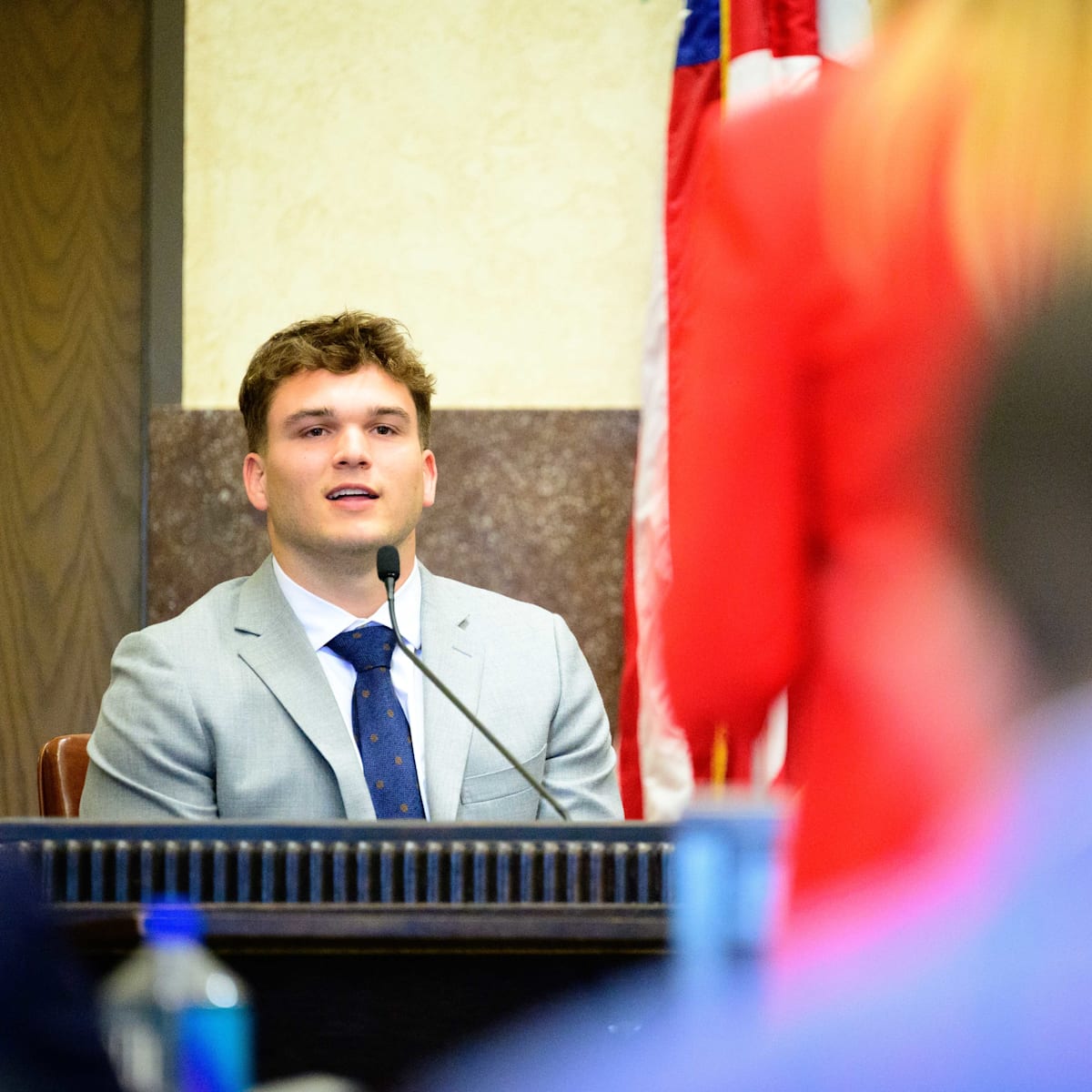
The NCAA has been under fire recently for its rigid eligibility rules, often seen as inconsistent. By challenging the status quo in court, Heinecke joins a growing list of athletes who are no longer willing to accept "no" as a final answer. Fortune favors the bold, and in this case, the court agreed that the potential harm to Heinecke's career outweighed the NCAA's interest in strictly enforcing its calendar.
Voices & Opinions
The reaction across the college football world has been swift, with many viewing this as a sign of the NCAA's diminishing power over player careers.
Heinecke has earned this opportunity through his resilience and dedication. We are thrilled the court recognized the unique circumstances of his journey.
Analysts suggest that this ruling could set a precedent for other athletes in similar positions. If a player can prove that their eligibility clock was unfairly impacted, the courts appear increasingly willing to step in where the NCAA won't.
Putting It in Perspective
For the average fan in Oklahoma, this means one of the most reliable tacklers on the roster is staying home. Heinecke’s presence on the field is a force multiplier; his knowledge of the defensive schemes allows younger players to play faster.
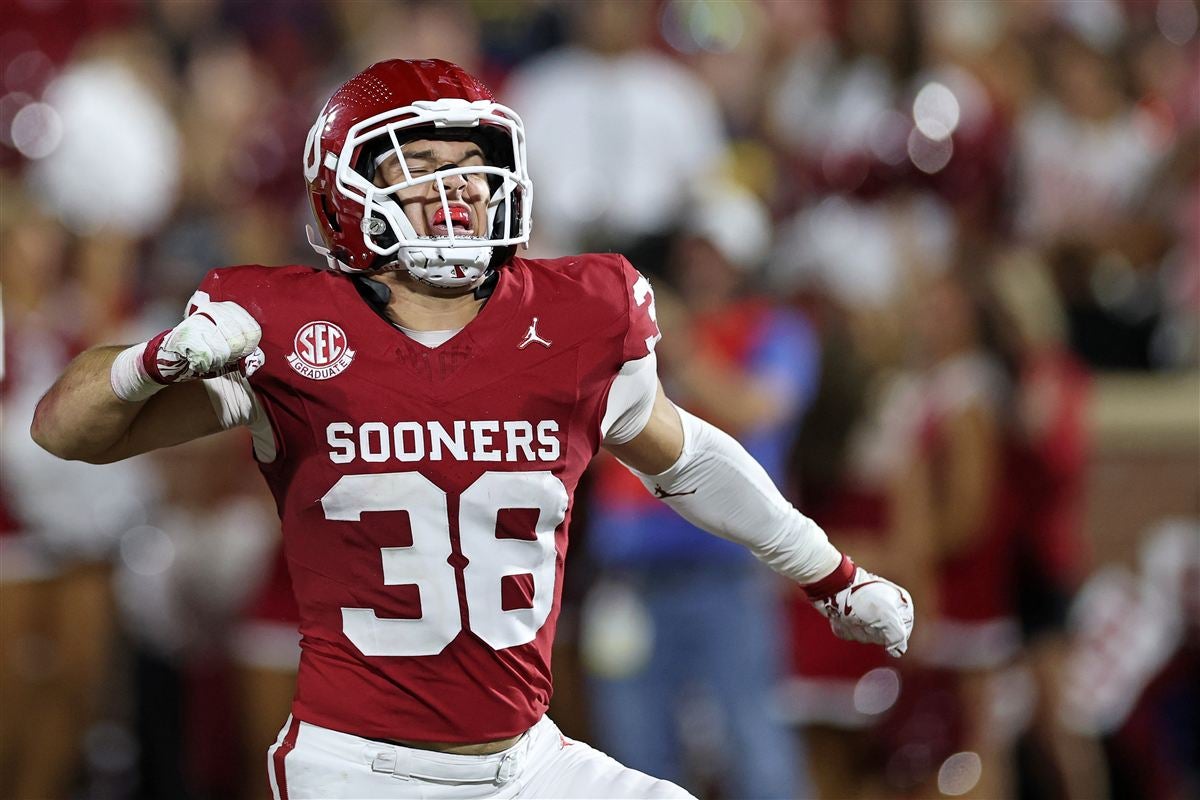
The ripple effect extends to the locker room. In an era where the transfer portal makes rosters feel like revolving doors, having a six-year veteran provides a culture of stability. It’s a win for player rights, but more practically, it’s a win for the 2026 Sooners' win-loss column. This decision ensures that 100% of his focus can now return to the weight room rather than the courtroom.
Looking Ahead
With the injunction in place, Heinecke is fully cleared to participate in all team activities, including spring ball and fall camp. While the lawsuit could technically continue, most legal experts believe the NCAA rarely wins these battles once a preliminary injunction is granted. Expect to see #24 leading the huddle when the 2026 season kicks off in Norman. Here's the thing: the NCAA's playbook is being rewritten in real-time, and Owen Heinecke just added a major chapter.
Frequently Asked Questions
Is Owen Heinecke officially eligible to play in 2026?
Yes, a judge granted a preliminary injunction that allows him to play while the legal case proceeds.
Why did Heinecke sue the NCAA?
He sought an additional year of eligibility after his initial request for a sixth season was denied by the NCAA.
Which team does Owen Heinecke play for?
He is a linebacker for the University of Oklahoma Sooners.
What is a 6th year of eligibility?
It is an extension allowed in specific cases (like medical hardships) that permits an athlete to play beyond the standard four or five-year window.
Will this case affect other NCAA athletes?
It could serve as a legal precedent for other players seeking eligibility extensions through the court system.

Resources
Sources and references cited in this article.

![Apple Watch Series 11 [GPS 42mm] Smartwatch with Rose Gold Aluminum Case with Light Blush Sport Band - S/M. Sleep Score, Fitness Tracker, Health Monitoring, Always-On Display, Water Resistant](https://m.media-amazon.com/images/I/6110Jv9wqeL._AC_SL1500_.jpg)