Serena Williams today: Testing rules cloud Wimbledon return
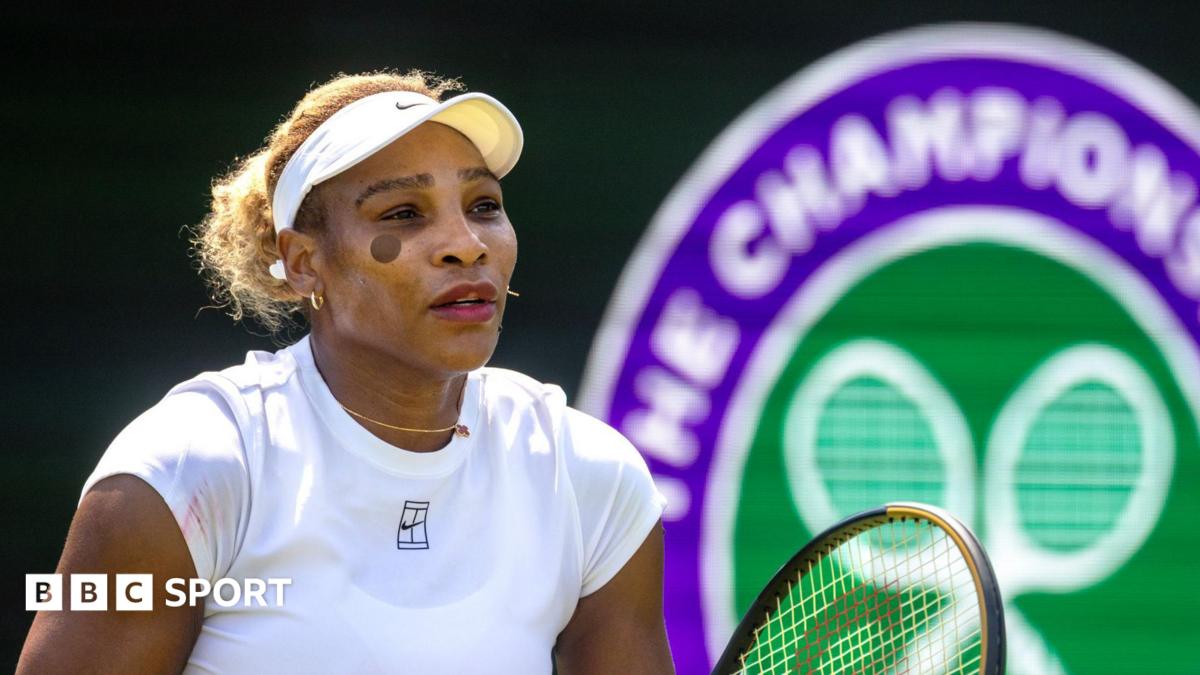
One hour every day is the window elite tennis players in the testing pool must file for possible anti-doping checks, and Serena Williams says that routine nearly kept her from coming back. The 44-year-old American is returning to Wimbledon singles for the first time since 2022, but her pre-tournament news conference turned into a sharp critique of the sport’s whereabouts system. Her comments landed just days after 2023 Wimbledon champion Marketa Vondrousova received a four-year ban for refusing a test, pushing a technical anti-doping issue into the center of tennis conversation.
The Bottom Line
- Williams said anti-doping whereabouts rules are “grueling” and were a major reason she hesitated to return to professional tennis.
- Players in the testing pool must provide a daily one-hour slot where testers can find them for out-of-competition testing.
- The ITIA says whereabouts protocols have not changed in recent years and that missed tests outside the allocated hour are not considered strikes.
- Three whereabouts failures in 12 months can lead to sanctions, a rule highlighted by previous cases such as Jenson Brooksby.
- Williams is scheduled to face Australia’s Maya Joint on Centre Court Tuesday afternoon and will also play doubles with Venus Williams.
Breaking It Down
Williams re-entered tennis through doubles events at Queen’s Club and Berlin before accepting a Wimbledon singles wild card. According to the reports, her return required rejoining the anti-doping testing pool months before competing again, a step that signaled her comeback was serious. That administrative move matters because returning athletes can be placed under the same whereabouts obligations as top active players.
At Wimbledon on Sunday, Williams described the reporting routine as a strain on a life that now includes children, travel and business commitments. She framed the issue not as opposition to clean sport, but as frustration with how the process fits around daily life.
It’s grueling. That was a big reason why I didn’t want to come back either, because it’s just so hard

The key dispute is about what counts as a missed test. Williams suggested that missing a test outside the daily window could count against a player. The ITIA, in its response reported by BBC Sport and Ubitennis, said that if a tester cannot reach a player outside the allocated hour, it is not considered a strike. The agency also said there have been no recent changes to the whereabouts rules.
The timing sharpened the discussion. Vondrousova’s four-year ban for refusing a test had already drawn player reaction, while American Jenson Brooksby’s previous ban for three missed tests showed how whereabouts failures can carry real consequences even without a positive test. In that context, Williams’ remarks turned a procedural rule into a public debate over trust, clarity and the daily pressure placed on players.
- Whereabouts rules
- Daily location information filed by players in the testing pool so anti-doping officers can conduct no-notice checks.
- Testing pool
- A group that includes many top players and returning athletes who face added reporting requirements.
- Out-of-competition testing
- Drug testing that can happen away from tournaments, including at a player’s home or training location.
Why This Matters
For American sports fans, Williams is not just another returning player. She is one of the country’s most recognizable athletes, a 23-time Grand Slam singles champion, and a public example of how elite competition collides with family life after a long break. Her complaint gives casual fans a rare look at the invisible compliance work behind a comeback: forms, locations, testing windows and the fear of a missed check.
The rules exist because no-notice testing is designed to protect clean competition. But the friction described by Williams, Jessica Pegula and Alexander Zverev points to a practical problem: a system can be necessary and still feel punishing if athletes do not clearly understand how it works. That confusion is especially damaging in tennis, where the sport’s anti-doping body is trying to enforce trust while players say the process can disrupt sleep, travel and family obligations.
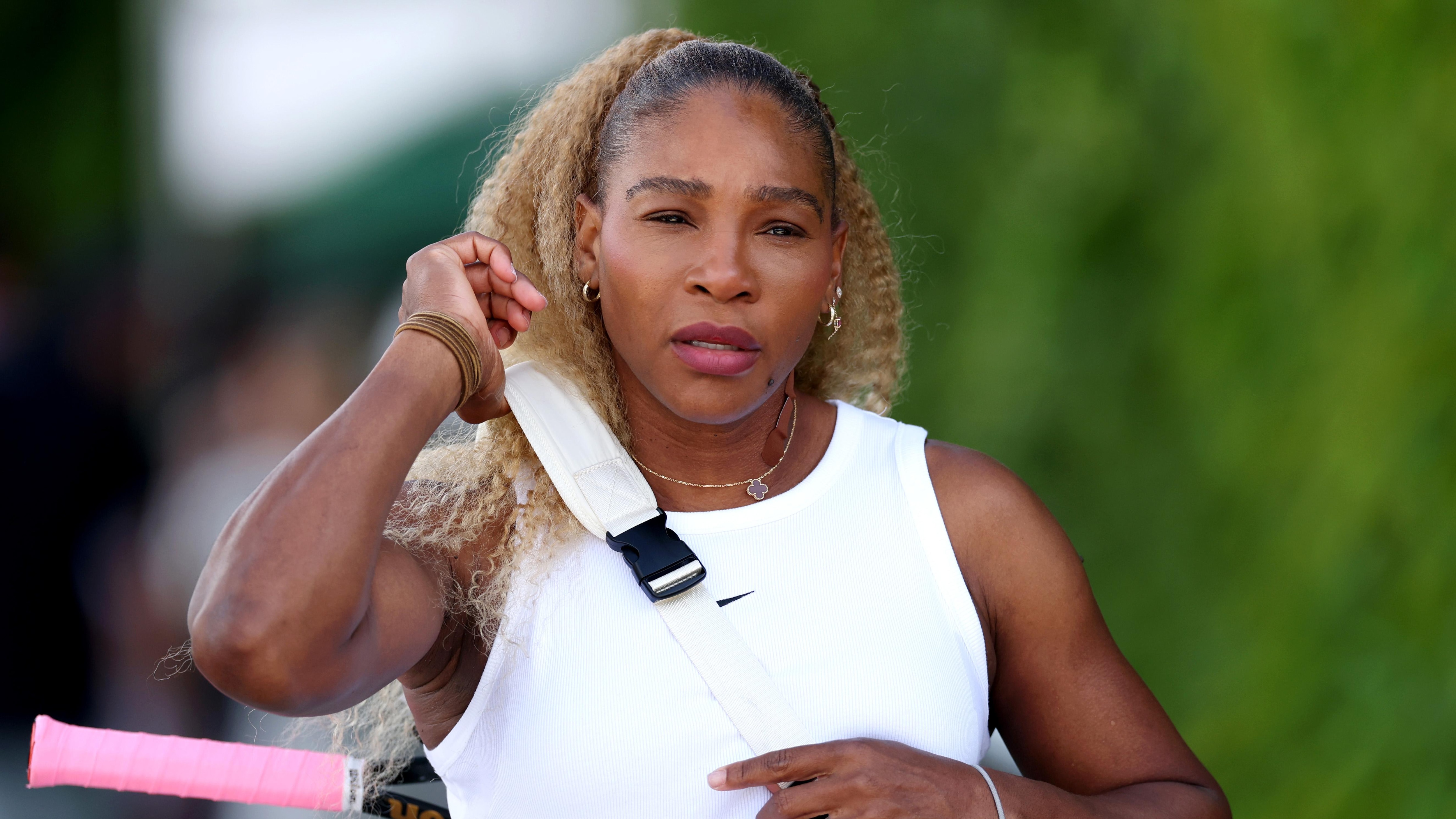
There is also a bigger women’s sports angle. Williams said she wanted to play in front of her children, and that motivation sits beside a rulebook built for constant availability. Her situation captures a question that goes beyond tennis: how should elite sport support clean competition without making returning parents and older athletes feel boxed in by administrative demands?
What Comes Next
Williams’ next confirmed step is on court. She is set to play Maya Joint, a 20-year-old Australian, on Centre Court Tuesday afternoon in the Wimbledon first round. She will also compete in doubles with her sister Venus Williams, adding another layer of attention to a comeback already carrying heavy scrutiny.
The anti-doping debate will not end with that match. The ITIA has invited players with questions to speak directly with the agency or through their representatives, and Williams’ comments make that conversation harder to ignore. Whether the immediate focus returns to her tennis may depend on how clearly the rules are explained before another high-profile case dominates the tour.
FAQ
What did Serena Williams say about doping testing?
Williams said the anti-doping reporting process is grueling, unreasonable and difficult to manage with children, travel and business commitments. She also said it was one reason she hesitated to return to professional tennis.
How do tennis whereabouts rules work?
Players in the testing pool must provide a location for one hour of every day so anti-doping officers can conduct out-of-competition checks. Missing three out-of-competition tests in 12 months can lead to sanctions.
Did the ITIA change the rules for Serena Williams?
The ITIA said there have been no changes to the whereabouts rules in recent years. It also clarified that if a tester cannot reach a player outside the allocated one-hour window, that is not considered a strike.
Why is Marketa Vondrousova part of this story?
Vondrousova, the 2023 Wimbledon champion, received a four-year ban after refusing an anti-doping test. Her case brought fresh attention to how strict tennis testing rules can be.
When does Serena Williams play at Wimbledon?
Williams is scheduled to face Australia’s Maya Joint on Centre Court Tuesday afternoon. She is also entered in doubles with Venus Williams.

Resources
Sources and references cited in this article.