
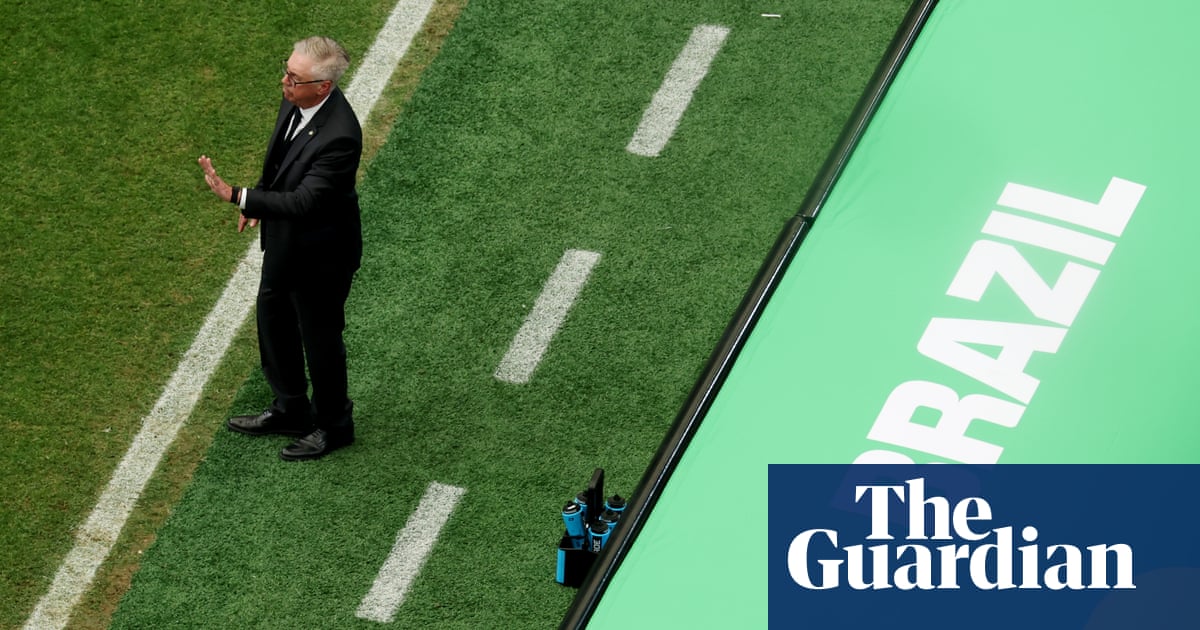
Carlo Ancelotti has led Brazil into a World Cup round-of-16 meeting with Norway in New York on Sunday after reshaping a team that arrived at the tournament carrying years of instability. The immediate change has been psychological as much as tactical: Brazil are calmer after setbacks, players speak openly about trusting their coach, and belief in a sixth World Cup is growing again.
The Full Story
Brazil's reset began from a rough place. Since the 2022 World Cup in Qatar, the national team went through four managers, called up 95 players and endured a political crisis that included the removal of the Brazilian Football Confederation president. According to The Guardian's account of the turnaround, pessimism had settled around the team before Ancelotti's arrival.
The Italian coach did not produce an instant revolution. Brazil opened the tournament with an uneven 1-1 draw against Morocco, then beat Haiti and Scotland before another difficult start against Japan. That last-32 match became the clearest sign of change. Brazil conceded first to Keishu Sano, but second-half goals from Casemiro and Gabriel Martinelli delivered a 2-1 comeback.

The result mattered because Brazil had repeatedly struggled after falling behind. Before Japan, they had conceded first 12 times since 2023 and won only once. The comeback suggested Ancelotti's influence is changing how the team reacts under pressure, an idea also explored in a report on Brazil learning to win differently.
Ancelotti has also made hard selection calls. Neymar, 34, has played only 14 minutes at this World Cup and did not appear against Japan, while Vinícius Júnior has become Brazil's central attacking figure. The coach has paired those decisions with a softer touch behind the scenes, consulting psychologist Marisa Santiago daily as Brazil work on the players' mental game.
The Main Players
Ancelotti is the center of the story, but Brazil's senior players are reinforcing his approach. Alisson, Danilo, Marquinhos and Casemiro are described as more at ease with the five-time Champions League-winning manager on the bench. Martinelli scored the winner against Japan, while Casemiro supplied the equalizer.
Rodrygo has offered perhaps the clearest picture of why Ancelotti commands such loyalty. In his first-person account of working with the coach, he described Ancelotti as a father figure whose decisions combine tactical knowledge with an understanding of group dynamics. That bond helps explain why players have backed a coach whose style is still drawing public criticism.
The critics are focused on Brazil's cautious stretches and lack of fluid attacking play. Ancelotti has answered by leaning on experience: he said he has prepared for more than 1,400 matches and named Alex Ferguson, with more than 2,000, as the only manager with greater preparation experience who could truly advise him.
Key Statistics
Brazil's recent numbers show both the size of the problem and the scale of the shift:
- 4 managers since the 2022 World Cup.
- 95 players called up during that unstable cycle.
- 12 matches since 2023 in which Brazil conceded first before facing Japan.
- Only 1 win in those previous 12 situations before the 2-1 comeback.
- 24 years since Brazil's fifth World Cup title in 2002.
- 14 minutes for Neymar at this tournament so far.
What This Means
For Brazil, the change is bigger than a new formation or a single knockout win. Ancelotti has created a structure in which setbacks no longer automatically become panic. That matters in a tournament where one bad spell can end a campaign.
There is still a tradeoff. Brazil's midfield has looked vulnerable against quick counterattacks, and the team has started slowly more than once. Yet Ancelotti is showing that tournament survival does not always require beautiful football. Brazil's 1994 and 2002 title-winning teams were also described in the sources as more pragmatic than the country's most celebrated attacking sides.
For U.S. readers, the next step has a direct connection: Brazil's knockout path now runs through New York, where a win over Norway would push one of the tournament's biggest teams deeper into a World Cup being played in North America. It would also answer a long-running question about Brazil's ability to defeat European opposition in knockout matches.
What to Expect
Brazil face Norway in New York on Sunday. The task is clear from the source reports: handle Norway's disciplined defensive shape, contain Erling Haaland and avoid another slow start.
The historical pressure is substantial. Since beating Germany in the 2002 final, Brazil have lost World Cup knockout matches to France, the Netherlands, Germany, Belgium and Croatia. Victory would not settle every argument about Ancelotti's style, but it would show that his calm, selective approach is carrying Brazil through the exact kind of match that has repeatedly ended their tournaments.
FAQ
Why has Carlo Ancelotti changed Brazil's mood?
Players say his calm leadership, clear decisions and focus on the mental side have created a more stable working environment after years of managerial and organizational turmoil.
How did Brazil beat Japan?
Brazil came from 1-0 down to win 2-1, with second-half goals from Casemiro and Gabriel Martinelli.
How much has Neymar played at this World Cup?
Neymar has played 14 minutes, against Scotland, and did not feature against Japan.
When and where do Brazil play Norway?
Brazil face Norway in New York on Sunday in the round of 16.
Why is the Norway match such a big test for Brazil?
Brazil have not beaten a European team in a World Cup knockout match since the 2002 final against Germany.