
Last updated: July 6, 2026
Why is FIFA's Balogun decision shaking the World Cup?
FIFA's decision to let U.S. forward Folarin Balogun face Belgium in Seattle on Monday, July 6, despite a red card in the previous round, has triggered an appeal from Belgium and fierce criticism from UEFA. The ruling gives the United States its top scorer for a knockout match, but it has also turned a disciplinary dispute into a wider fight over political influence, equal treatment and the credibility of the World Cup.
The Full Story
Balogun was sent off in the 64th minute of the United States' 2-0 win over Bosnia and Herzegovina after a video review showed him stepping on defender Tarik Muharemovic's ankle. He had already scored before the dismissal, and the U.S. then played the final 30 minutes with 10 men. A red card normally brings at least a one-match suspension, and FIFA initially indicated Balogun would miss the Round of 16 game against Belgium.
That changed Sunday. FIFA suspended the implementation of the one-game ban for a one-year probationary period under Article 27 of its disciplinary code. The red card itself remains in place, and another offense could restore the suspended punishment along with additional penalties.

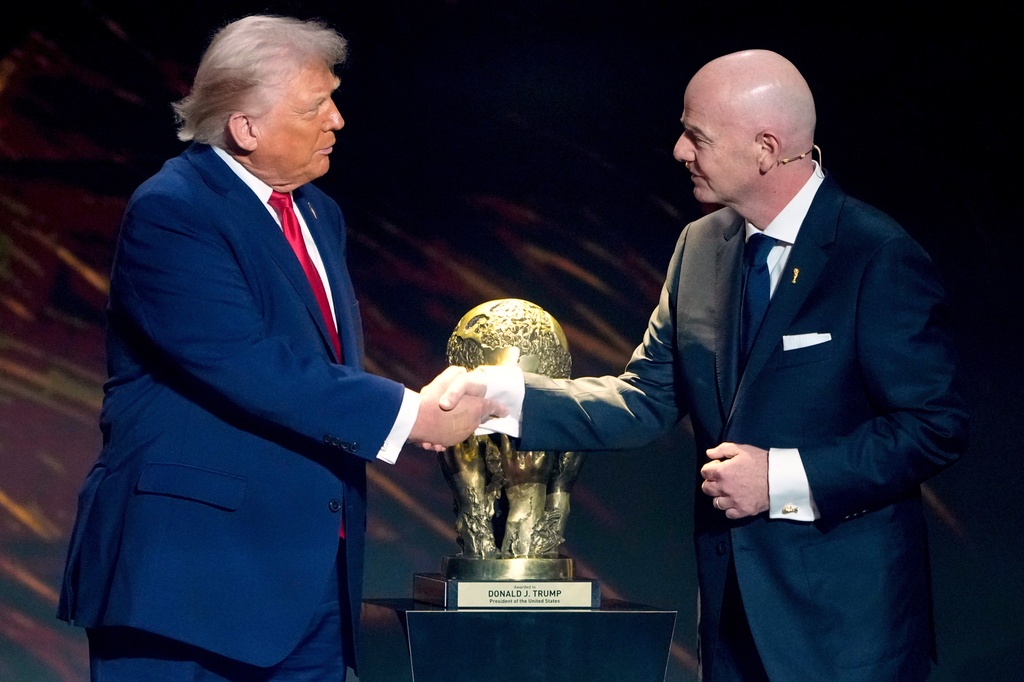
The decision came after President Donald Trump spoke with FIFA President Gianni Infantino and asked him to review the call, according to a source familiar with the matter cited by CNN. Trump later thanked FIFA publicly for reversing what he called a great injustice. FIFA's limited public explanation intensified questions about whether the president's intervention influenced the outcome.
Belgium challenged the ruling and was granted an appeal. Both the U.S. and Belgian federations were asked to submit arguments by 5 a.m. Pacific time, with a FIFA appeals committee member assigned to hear the case. The match is scheduled for 8 p.m. Eastern time in Seattle, but FIFA did not guarantee that the appeal would be decided before kickoff.
The Main Players
Balogun is the U.S. team's leading scorer and a central figure in its World Cup run. U.S. coach Mauricio Pochettino defended the reprieve by arguing that his team had already been punished by playing short-handed after the red card.
Belgium's federation says the dispute is bigger than one opponent's lineup. It has accused FIFA of lacking transparency and says it will pursue available legal avenues to defend sporting fairness. UEFA, whose member federations include Belgium, said the decision crossed a red line and called it unprecedented, incomprehensible and unjustifiable.
Trump and Infantino are also central to the controversy because their relationship has already drawn scrutiny. The president's direct request for a review created the appearance that political pressure may have entered a process normally handled by independent disciplinary bodies.
- Probationary suspension
- A punishment that is deferred for a set period and can be activated if another offense occurs.
- VAR
- Video assistant referee review, which officials used before upgrading Balogun's challenge to a red card.
- Appeal
- A formal challenge asking a higher disciplinary body to review an earlier decision.
Key Statistics
The disputed ruling centers on a one-match automatic suspension. Balogun was dismissed in the 64th minute of a 2-0 U.S. victory and the Americans finished the final 30 minutes with 10 players.
FIFA deferred the ban for one year. Belgium's appeal arrived only hours before the Round of 16 game, which is scheduled for 8 p.m. ET in Seattle.
What This Means
The immediate impact is straightforward: Balogun can play unless the appeal changes his status before the match. For the United States, that preserves a major attacking option in a game that could send the co-host into the quarterfinals.

The larger consequence is the precedent. UEFA argued that players in similar situations have already served suspensions during the tournament. FIFA had previously used probation in Cristiano Ronaldo's case and allowed several players to serve qualifying bans in future competitions, but the Balogun case goes further because it changes the effect of a red card during the World Cup itself.
For U.S. fans, the controversy now sits beside the sporting stakes. A victory over Belgium would still advance the national team, yet the dispute could shape how that result is viewed abroad. FIFA's treatment of future red cards will also face closer scrutiny because other teams can now point to Balogun's case when demanding equal treatment.
What to Expect
The next confirmed step is Belgium's appeal through FIFA's process. If Belgium remains dissatisfied, the federation says it can pursue further legal avenues, with the Court of Arbitration for Sport identified as the next possible forum after FIFA procedures.
The United States and Belgium are due to meet in Seattle at 8 p.m. Eastern time. The appeal may be decided before kickoff, but FIFA has not guaranteed that timetable. Whatever the ruling, the case is likely to influence how disciplinary decisions are judged through the rest of the tournament.
FAQ
Why can Folarin Balogun play after a red card?
FIFA deferred his one-match suspension for a one-year probationary period under Article 27 of its disciplinary code.
Did Donald Trump call FIFA about Balogun's red card?
Yes. CNN reported that Trump spoke with FIFA President Gianni Infantino and asked him to review the call.
Why did Belgium appeal FIFA's decision?
Belgium argues that the ruling conflicts with the automatic suspension normally attached to a red card and harms sporting fairness.
When is USA vs. Belgium?
The Round of 16 match is scheduled for Monday, July 6, at 8 p.m. Eastern time in Seattle.
What happens if an ineligible player takes part?
Under the rules described by NPR, a team ultimately judged to have fielded an ineligible player can be given a 3-0 default loss.