
The Delhi government has unveiled its aggressive Draft EV Policy 2.0, aiming to combat the city’s chronic air pollution by mandating a total shift to electric vehicles for new registrations within the next few years. This landmark policy effectively sets an expiration date for internal combustion engine vehicles in the Indian capital, starting with delivery fleets and moving to personal transport.
The Full Story
Delhi isn't just dipping its toes into the electric vehicle pool anymore; it’s diving into the deep end. The city's newly proposed Draft EV Policy 2.0 outlines a strict timeline that will fundamentally change how millions of residents commute. Under the new rules, no new petrol or diesel vehicles will be added to the fleets of delivery services or ride-hailing aggregators. This is a massive shift for a city where the gig economy powers everything from lunch deliveries to daily commutes.
What’s even more striking is the timeline for personal transport. By April 2028, the city plans to allow only electric two-wheelers for new registrations. If you’re looking to buy a new gas-powered scooter in three years, you might be out of luck. This follows an earlier deadline for three-wheelers, with new registrations limited to electric-only models starting as early as 2027. It’s a race against time to clear the smog that has plagued the city for decades.

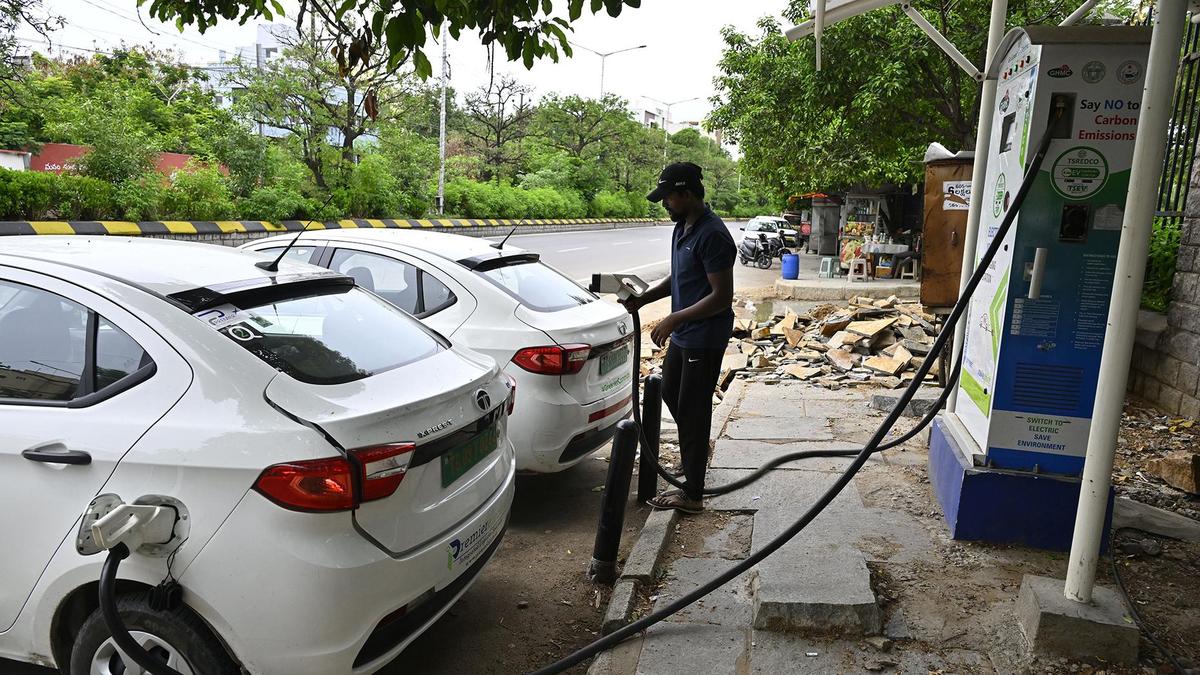
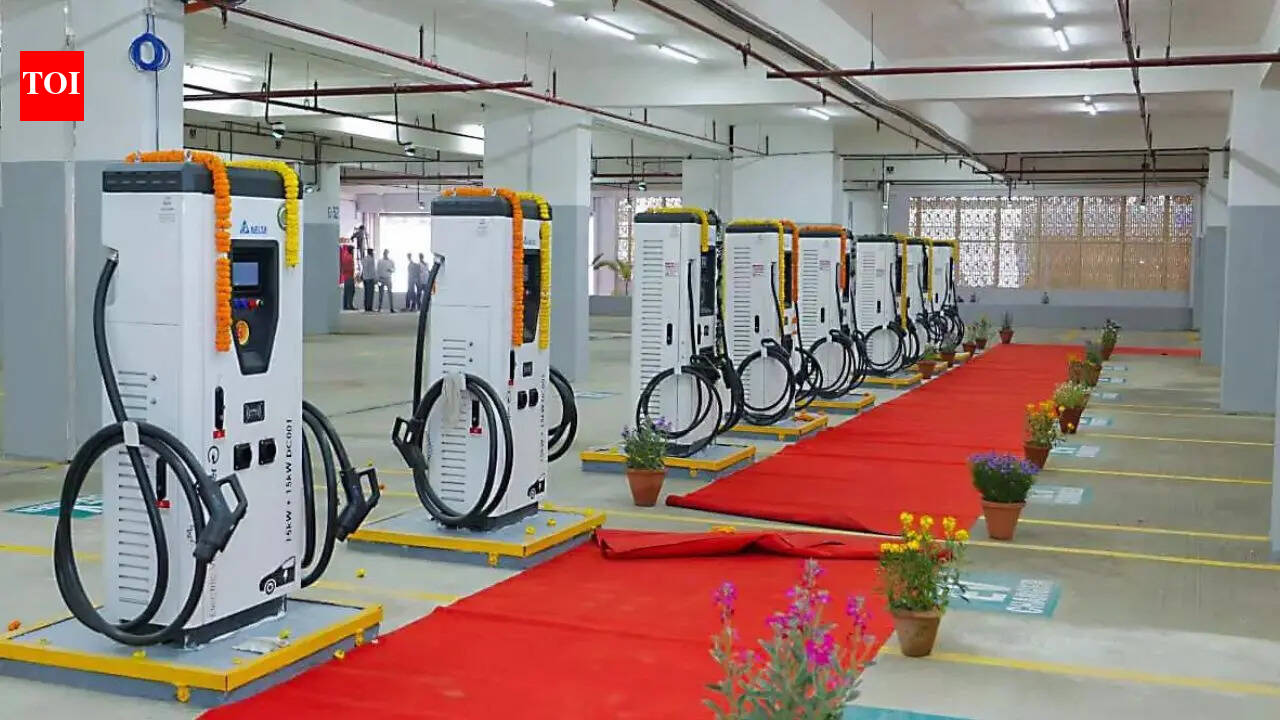
This isn't just about banning old tech; it's about building a new ecosystem. The policy emphasizes a robust charging network and a comprehensive battery waste recycling system. By addressing the lifecycle of the battery, Delhi is trying to avoid a future environmental crisis while solving a current one. Here’s the thing: while the goals are noble, the transition for small business owners and delivery riders who rely on cheap petrol bikes will be a significant hurdle.
Key Figures
- The Delhi Government: The primary architect of the draft policy, pushing for 100% electrification of specific sectors.
- Ride Aggregators & Delivery Fleets: Companies like Uber, Ola, and Zomato will be the first to face the ban on new petrol/diesel additions.
- Battery Recyclers: A newly prioritized sector tasked with managing the waste from the massive influx of EV batteries.
What This Means
For the average person in Delhi, this means the sound of the city is about to get a lot quieter. But it also means a potential rise in upfront costs for new vehicles. While EVs offer lower running costs, the initial investment remains high for many. For global observers, Delhi is becoming a massive test case for whether a megacity in a developing nation can leapfrog traditional fuel sources in favor of 100% green energy. It's a move that mirrors aggressive climate goals seen in parts of Europe and California, but on a much more compressed timeline.
What to Expect
The government is currently seeking public suggestions and feedback on the draft. We can expect a final version of the policy to be notified later this year. By 2027, we will see the end of new petrol three-wheeler registrations, followed by the landmark 2028 cutoff for all new two-wheelers. Residents should start looking into EV subsidies now, as the transition is no longer a matter of "if," but "when."
FAQ
When will petrol scooters be banned in Delhi?
According to the draft policy, no new petrol two-wheelers can be registered starting April 2028.
Does this apply to cars?
The current draft focuses heavily on two-wheelers, three-wheelers, and commercial delivery fleets, though car mandates are expected to follow.
What happens to my current petrol bike?
The policy currently targets new registrations; you can likely continue to use your existing vehicle until its registration expires.
Are there incentives for switching to an EV?
Yes, the Delhi government continues to offer various subsidies and tax waivers to make the switch more affordable for residents.
How will the city handle old batteries?
The EV Policy 2.0 includes specific provisions for battery waste recycling to ensure old batteries don't end up in landfills.