
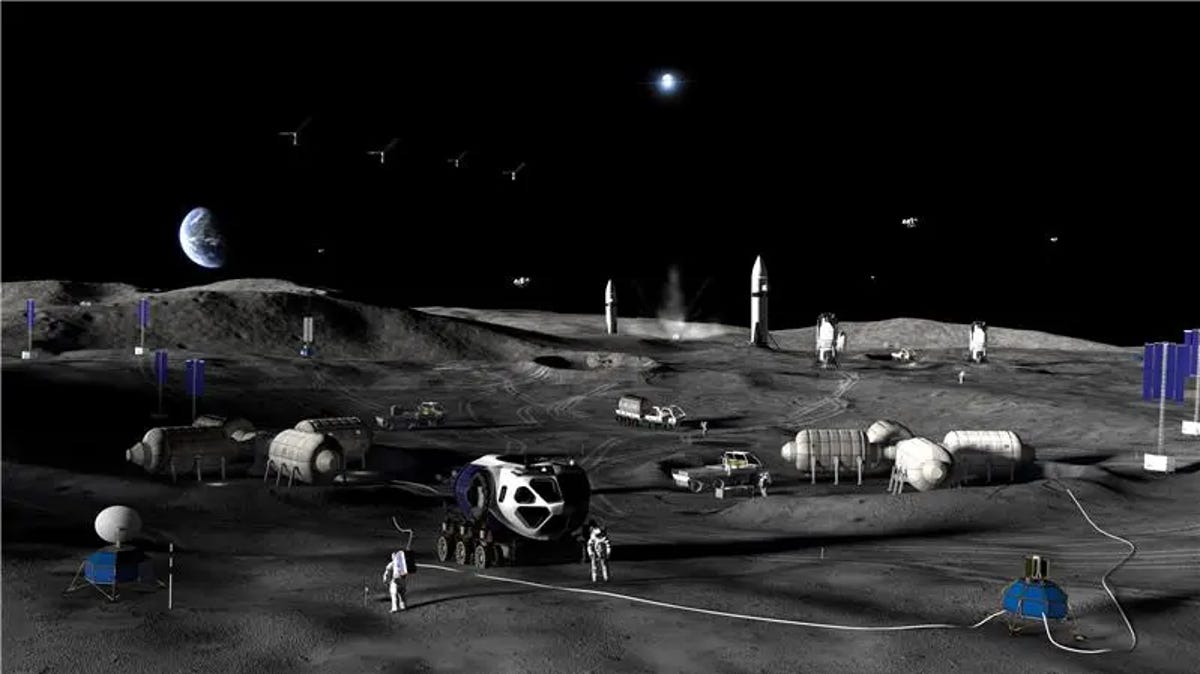
NASA Administrator Bill Nelson officially unveiled a reimagined lunar strategy on March 25, 2026, pivoting from the Gateway space station to a permanent $20 billion base at the lunar south pole. This strategic shift aims to accelerate a sustainable human presence on the Moon while streamlining resources for eventual Mars exploration. The announcement marks a significant departure from previous modular orbit plans, focusing instead on immediate surface infrastructure and resource utilization.
Key Points
- NASA will reallocate approximately $20 billion to fund a permanent surface habitat instead of the Gateway lunar orbiting station.
- The agency has officially paused the Lunar Gateway project, leaving the status of international contributions like the Canadian robotic arm uncertain.
- The south pole location was selected due to the presence of water ice, which is critical for life support and fuel production.
- This initiative serves as a primary 'Moon to Mars' stepping stone, testing nuclear thermal propulsion and long-term life support systems.
What Happened
In a major policy update delivered at NASA headquarters, officials detailed the 'Ignition' strategy to achieve National Space Policy goals. The agency confirmed it would bypass the construction of a permanent orbiting lunar station to prioritize the Artemis Base Camp. This decision followed a comprehensive review of the Artemis program's timeline and budget constraints.
Key Developments
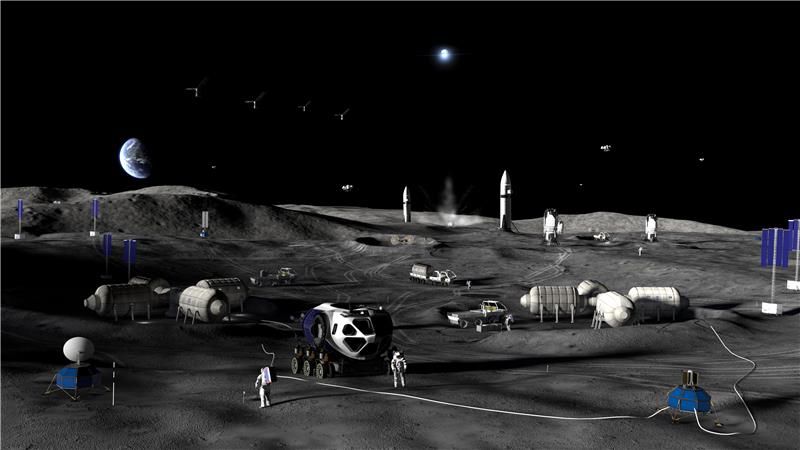
The new plan introduces the 'Surface First' initiative, which focuses on landing large-scale pressurized rovers and habitat modules by 2030. This infrastructure will utilize solar power arrays positioned on 'peaks of eternal light' near the south pole to ensure constant energy. Additionally, NASA announced partnerships under the Commercial Lunar Payload Services (CLPS) program will be expanded to include heavy cargo deliveries. The agency is also seeking to renegotiate terms with international partners whose hardware was originally designed for the now-suspended Gateway station.
Why This Matters
The transition to a surface-based strategy is intended to keep the United States at the forefront of the modern space race, as other nations also eye lunar territory. By focusing on the south pole, NASA aims to secure access to volatile resources that could turn the Moon into a 'gas station in space.' Fortune favors the bold, and this $20 billion pivot represents a high-stakes gamble to achieve permanent residency on another world before the end of the decade.
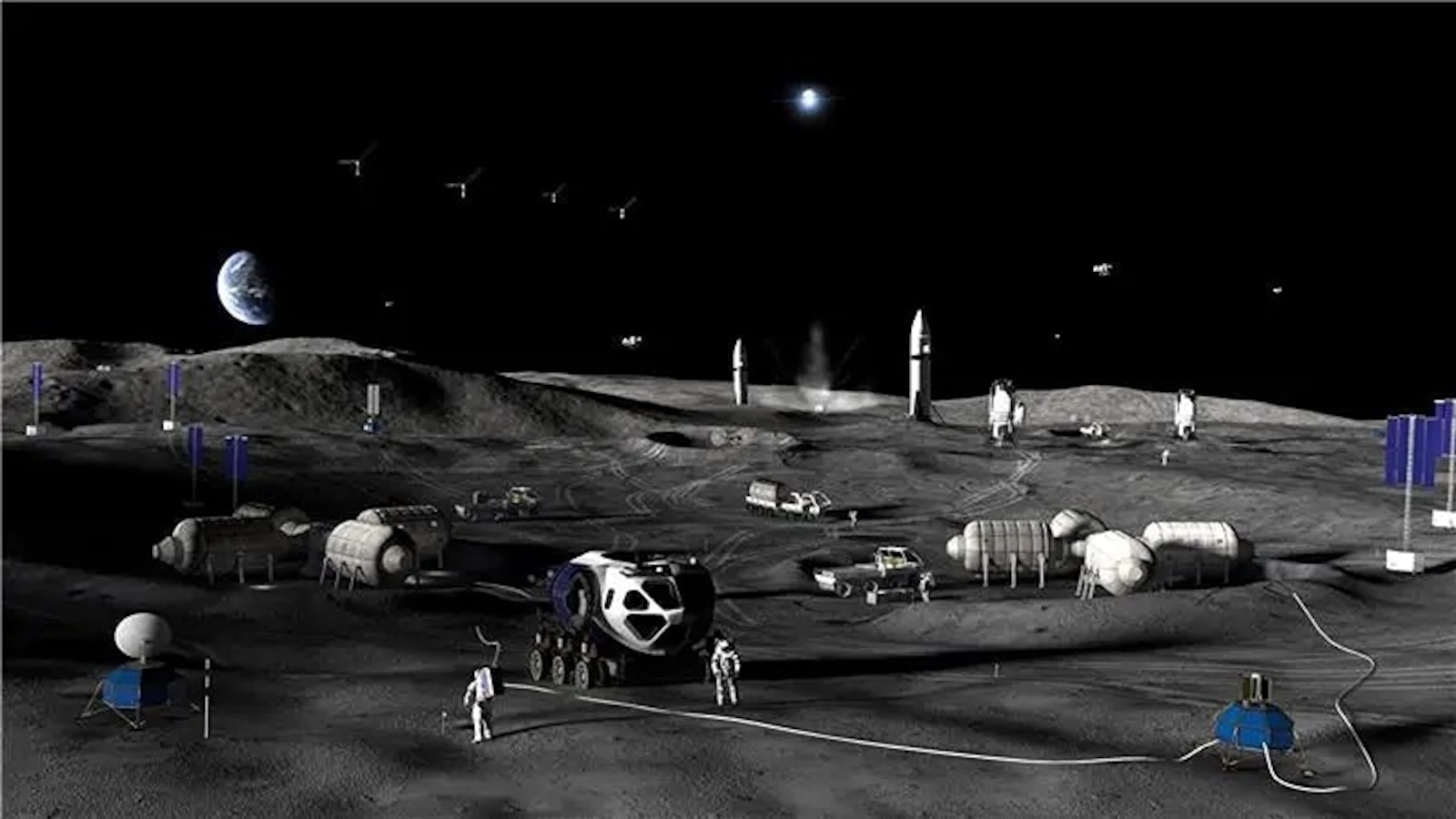
This is about more than just footprints; it is about a sustainable presence that prepares us for the next giant leap to Mars.
What Happens Next
NASA is scheduled to hold a formal briefing with international space agencies in April 2026 to discuss the integration of existing hardware into the surface-base plan. The Artemis III mission, currently slated for late 2026, remains the primary target for returning humans to the lunar surface. Technical solicitations for the new Lunar Terrain Vehicle (LTV) and habitat modules are expected to be released to private industry by the third quarter of 2026.
Key Terms
- Lunar Gateway
- A previously planned small space station intended to orbit the Moon and serve as a communication hub and laboratory.
- Nuclear Thermal Propulsion
- A technology that uses a nuclear reactor to heat propellant, providing high thrust and efficiency for deep space travel.
- Volatiles
- Chemical elements and compounds, such as water or carbon dioxide, with low boiling points that are found in frozen form on the Moon.
FAQ
Why did NASA cancel the Lunar Gateway station?
NASA shifted focus to a surface base to accelerate permanent human presence and save costs associated with maintaining an orbiting station. By prioritizing the surface, they can more quickly test resource extraction and long-term habitation technologies.
Where will the new moon base be located?
The base will be situated at the lunar south pole, specifically near craters that remain in permanent shadow. This region is known to contain significant deposits of water ice, which can be converted into oxygen and rocket fuel.
How much will the new NASA moon base cost?
The initial budget for the reimagined surface strategy is estimated at $20 billion. This funding will be redirected from the Gateway project and other modular orbital initiatives to cover habitat construction and landing systems.
What happens to the Canadian robotic arm (Canadarm3)?
The status of the robotic arm is currently uncertain as its primary home was intended to be the Lunar Gateway. NASA is working with the Canadian Space Agency to determine if the technology can be adapted for surface operations or a different orbital platform.