
The cabin doors were nearly shut, engines ready, that familiar low hum building. Then everything stopped. A single passenger stayed glued to her phone—and within minutes, an entire flight was going nowhere.
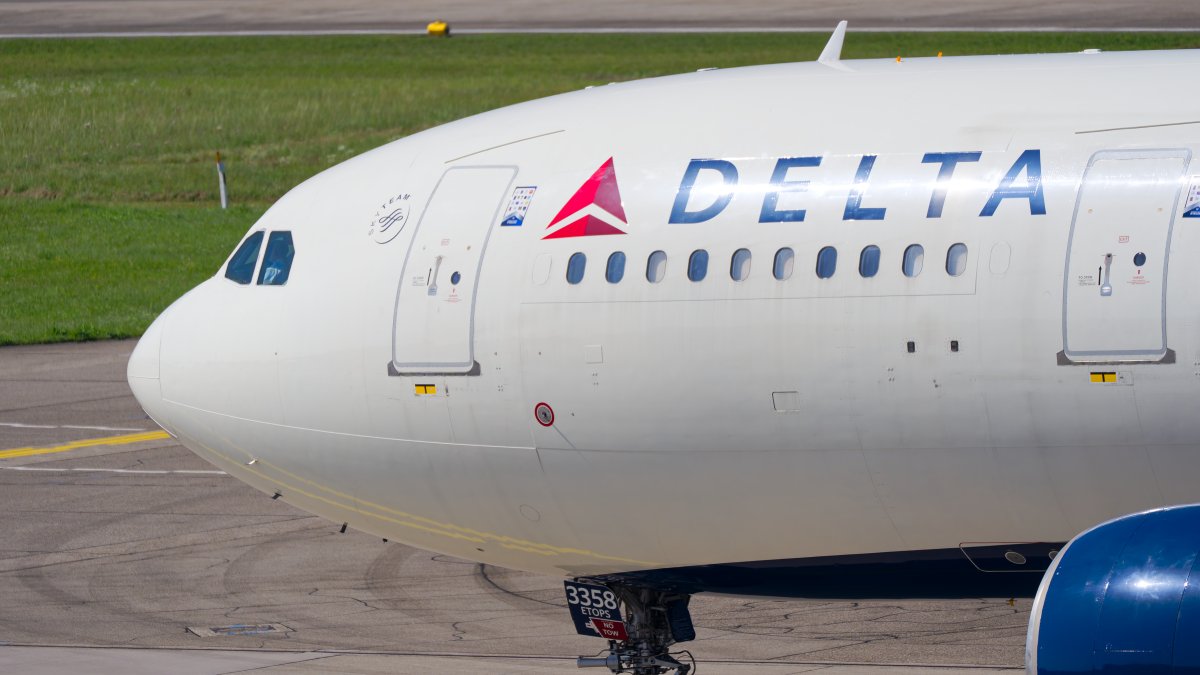
Authorities say the Delta flight departing Miami was delayed for about an hour after a Georgia traveler refused repeated instructions to end a phone call before takeoff. The situation escalated quickly, ending with the passenger being removed and later arrested.
How Events Unfolded
It started like any routine pre-takeoff moment. Flight attendants made standard announcements—phones off or in airplane mode, devices secured. Most passengers complied without thinking twice.
But one traveler didn’t. Witnesses say she continued talking on her phone, ignoring multiple requests from crew members. As tension built, the crew paused boarding procedures and alerted authorities.
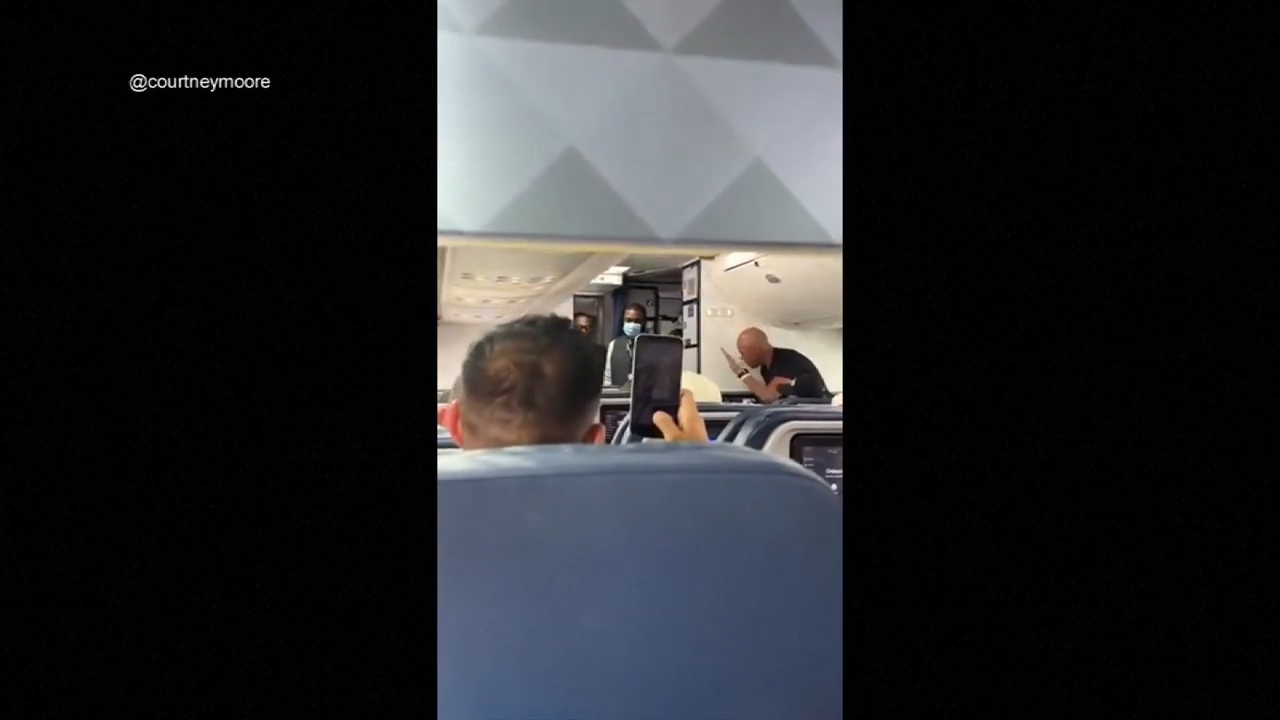
Then came the tipping point. According to reports, fellow passengers began reacting—some even chanting for her to get off the plane. Talk about a pressure cooker at 30,000 feet—before even leaving the ground.
Eventually, law enforcement boarded the aircraft. The passenger was escorted off, and operations resumed—but not before the flight lost roughly an hour.
Under the Surface
This wasn’t just about a phone call. It’s about compliance in a tightly regulated environment where timing and safety rules matter.
Airlines require passengers to switch devices to airplane mode to avoid interference with communication systems. While the actual risk is debated, regulations remain strict—and crews are trained to enforce them without exception.
What’s interesting is how quickly a small act of defiance can ripple outward. A delayed departure affects connecting flights, crew schedules, and airport logistics. Multiply that across a busy travel day, and the impact grows fast.
In recent years, incidents involving disruptive passengers have increased. The Federal Aviation Administration has repeatedly warned that refusal to follow crew instructions is not just rude—it’s a federal offense.
Voices & Opinions
Passengers on board described the scene as tense and surreal. One traveler recalled how the mood shifted from confusion to frustration in minutes.
"It was unbelievable. Everyone else was ready to go, and we’re just sitting there because of one person."
Aviation experts say the crew had little choice.
"Once a passenger refuses direct instructions, the crew must act. It’s about maintaining authority and safety."
And here’s the thing—airlines aren’t bluffing. Ignoring crew instructions can lead to fines, removal, or arrest, depending on how far things escalate.
Putting It in Perspective
For travelers across the U.S., this incident hits close to home. Flight delays are already a major pain point—and situations like this only add fuel to the fire.

According to industry data, even minor delays can cascade into larger disruptions. A one-hour delay might mean missed connections, overnight stays, or rebooking headaches.
And socially? Moments like this reflect a broader tension in travel today. Crowded airports, rising costs, and tighter rules mean patience is thinner than ever. One bad apple really can spoil the bunch.
There’s also a digital-age twist. Being constantly connected has blurred the line between “just one more call” and breaking rules that everyone else follows.
Looking Ahead
The passenger now faces legal consequences, though details of charges vary by jurisdiction. Airlines, meanwhile, continue reinforcing zero-tolerance policies for disruptive behavior.
Expect more visible enforcement moving forward. As summer travel ramps up, crews are under pressure to keep flights on schedule—and safe.
If you’re flying soon, here’s the takeaway: follow crew instructions. It’s not just about rules—it’s about keeping hundreds of people moving on time.
FAQ
Can you use your phone during a flight?
Yes, but it must be in airplane mode during takeoff and flight.
Why do airlines require airplane mode?
To prevent potential interference with aircraft communication systems.
What happens if you refuse crew instructions?
You can be removed from the flight and may face fines or arrest.
How long was the Delta flight delayed?
About one hour due to the incident.
Are such incidents common?
They have increased in recent years, according to aviation authorities.
Can passengers intervene in such situations?
Passengers are advised not to intervene and let crew handle it.