
A solitary female humpback whale drifted in calm waters off Kingscliff, moving with unusual slowness before a sudden plume of red spurted into the ocean. Seconds later, a 1.5-tonne newborn calf broke the surface off northern New South Wales to take its very first breath alongside its mother. Volunteer drone operator Alexander Forrest captured the moment, marking what experts believe is the first humpback whale birth ever recorded on film by a drone.
What People Are Searching For
Ocean enthusiasts and researchers were immediately drawn to online video clips showing a cloud of blood in the sea followed by a tiny calf emerging next to an adult humpback. Viewers are searching to confirm whether the footage genuinely documents a live birth in Australian waters, where it took place, and why such an event is so rare to see on camera.
What Is Confirmed
The event occurred at approximately 1:00 pm on Tuesday, about 700 metres off the coast of Kingscliff in northern NSW. Forrest was operating an aerial camera for the Organisation for the Rescue and Research of Cetaceans in Australia (ORRCA) when he spotted the lone female. Operating at a distance of more than 100 metres in compliance with the NSW Biodiversity Conservation Regulation, the drone recorded the entire event.
Key verified details from the encounter include:
- The footage represents only the fourth complete humpback whale birth captured on film globally, and the first ever recorded using a drone.
- The newborn calf weighed approximately 1.5 tonnes at birth.
- ORRCA drone operators monitored the pair until sunset as other whales approached to inspect them and local sharks were drawn to the afterbirth.
- Young humpbacks along Australia's east coast have an estimated survival rate between 67% and 87%.
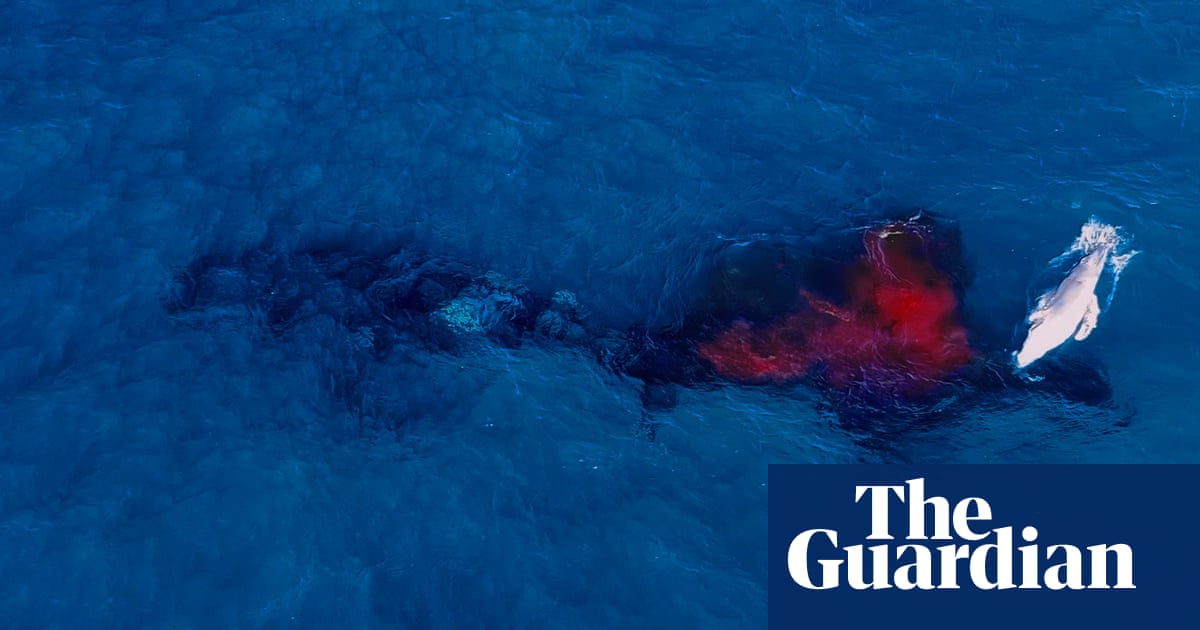
At first, I thought she was simply resting because I'd never seen a whale travelling so slowly and consistently. Within moments, everything changed ... a plume of blood appeared beneath her and a tiny calf rose to the surface for its very first breath.
What Is Unconfirmed
Researchers noted that the precise gender of the newborn calf has not been determined from the aerial footage. Additionally, while ORRCA researchers believe this is the first drone recording of its kind, the footage must undergo a formal peer review before the milestone can be officially confirmed in scientific literature.

The Bigger Picture
This sighting challenges existing scientific assumptions regarding humpback whale breeding grounds. Marine scientists traditionally believed humpbacks required warm tropical waters to give birth. University of New South Wales PhD candidate Jane McPhee-Frew explained that recorded births along the temperate NSW coastline suggest researchers are actively re-evaluating where these marine mammals reproduce.
The rare sighting also highlights the massive recovery of Australia's humpback population. Over 40,000 to 50,000 humpbacks are expected to complete the 10,000km migration along Australia's eastern seaboard this year, moving from Antarctic feeding grounds to northern breeding waters. This is a dramatic increase from an estimated 7,000 whales in 2004 following severe depletion during the commercial whaling era of the 20th century.
Latest Status
The mother and newborn calf were observed resting together in shallow waters off Kingscliff as the sun set on Tuesday. ORRCA's research team led by Annie Post will continue to process the drone data and field observations to prepare a peer-reviewed paper that will be shared across international cetacean research networks.
Frequently Asked Questions
Where was the humpback whale birth filmed?
The birth was filmed approximately 700 metres off the coast of Kingscliff in northern New South Wales, Australia.
How many times has a humpback whale birth been recorded?
This event is believed to be only the fourth complete humpback whale birth ever recorded on film globally, and the first captured by a drone.
Why was the whale mother traveling so slowly?
The female whale was engaging in a behavior known as logging (resting at the ocean surface) while going into labor, allowing her to stay near the surface to assist her newborn's first breath.
How many humpback whales migrate along Australia's east coast?
An estimated 40,000 to 50,000 humpback whales make the annual 10,000km round-trip migration along the Australian eastern seaboard during the winter months.