
Why should Australians care about a comet zipping through space? Because this one isn’t just another icy rock — it’s an interstellar visitor, offering rare clues about how other star systems behave. And right now, scientists say it’s doing things they didn’t quite expect. As comet 3I/ATLAS swept past the Sun, it transformed in real time, blasting massive amounts of gas and water into space. The findings could reshape how we detect future threats — including asteroids that might one day head our way.
The Backstory
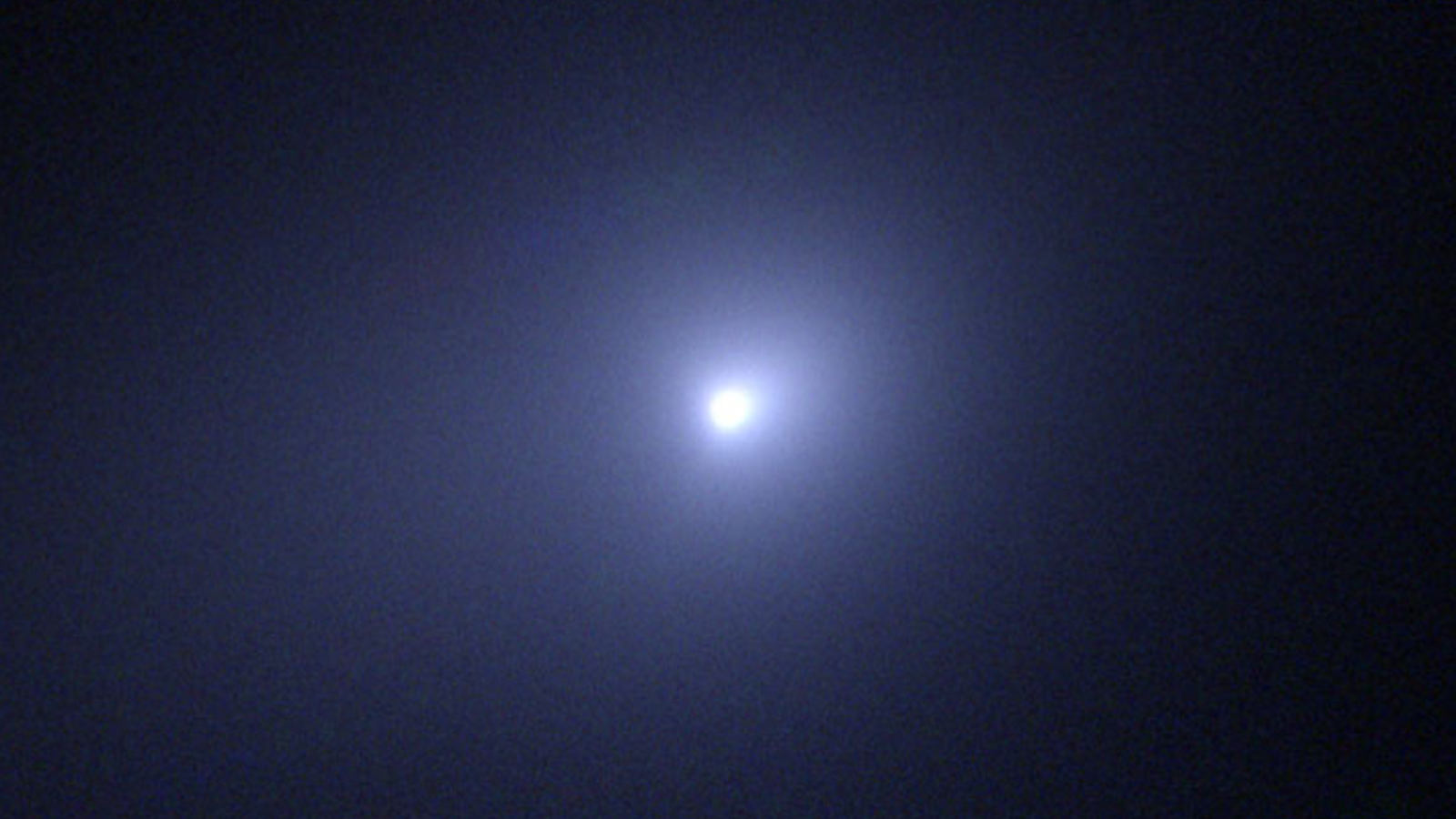
Comet 3I/ATLAS isn’t from our neighbourhood. It’s only the third known interstellar object ever spotted passing through our solar system — meaning it originated from another star entirely. That alone makes it a big deal. Astronomers have been watching closely, hoping to catch a glimpse of materials that formed somewhere far beyond our cosmic backyard.
As it travelled inward, the comet picked up speed and heat. That’s when things got interesting. Instruments from ground-based telescopes and spacecraft began picking up unexpected changes in its composition — almost like the comet was shedding layers and revealing something new underneath.
Fair dinkum, it’s like cracking open a time capsule from another solar system. And scientists reckon what’s inside could help explain how planets — including Earth — form in the first place.
Here's What Happened
As 3I/ATLAS skimmed close to the Sun, it underwent a dramatic transformation. Observations show it was ejecting staggering amounts of material — including water vapour equivalent to filling around 70 Olympic swimming pools every day. That’s not your average comet behaviour.
Meanwhile, researchers detected methane — a potent greenhouse gas — streaming from the comet as it exited the solar system. To put that into perspective, methane can trap heat up to 80 times more effectively than carbon dioxide over shorter timescales. That discovery hints at chemical processes far more complex than expected for a wandering space object.

Telescopes also recorded shifts in the comet’s composition — suggesting its outer layers were being stripped away, exposing fresher material beneath. It’s a bit like peeling an onion, but on a cosmic scale.
And here’s the kicker: spacecraft observations confirmed that these changes happened rapidly, over just days and weeks. That gives scientists a rare chance to watch an interstellar object evolve in real time — something that’s almost unheard of.
What People Are Saying
Researchers following the comet say its behaviour has caught them off guard. The sheer volume of water and gas being released is far beyond what typical comets in our solar system produce.
This is one of the most active comets we’ve ever observed, especially given its interstellar origin.
Others point to the methane detection as a game-changer, suggesting the comet may carry organic compounds formed in entirely different conditions.
We’re essentially looking at chemistry from another star system — that’s incredibly rare.
And for planetary defence experts, the data could have practical implications closer to home.
Understanding how objects behave near the Sun helps us predict and potentially deflect dangerous asteroids.
The Bigger Picture
This isn’t just about one comet. The data collected from 3I/ATLAS could help scientists refine models used to track near-Earth objects — including asteroids that might pose a risk in the future.
For Australians, that matters more than you might think. Our continent has seen its share of meteor impacts in the past, and improving early detection systems is a global priority. The better we understand how objects heat up, break apart, or release gases near the Sun, the better we can predict their paths.

There’s also a climate angle — albeit indirect. Studying methane and other gases from space objects helps scientists understand how these compounds behave in extreme environments, feeding into broader climate research.
Here’s the thing: discoveries like this don’t just stay in textbooks. They trickle down into technologies, forecasting systems, and even how we protect the planet.
The Road Ahead
3I/ATLAS is now heading back out into interstellar space, and we likely won’t see it again. But the data it leaves behind will keep scientists busy for years.
New analyses are already underway, with researchers comparing findings across multiple telescopes and spacecraft. The hope is to build a clearer picture of how interstellar objects behave — before the next one inevitably comes along.
FAQ
What is comet 3I/ATLAS?
It’s an interstellar comet — meaning it originated outside our solar system and passed through it.
Why is this comet important?
It provides rare insight into materials and chemistry from other star systems.
What did scientists discover?
They observed massive water release and detected methane, along with rapid changes in composition.
Does this affect Earth?
Not directly, but it improves our understanding of space objects that could pose risks in the future.
Will we see it again?
No — it’s leaving the solar system and won’t return.