Why is the Strawberry Moon making waves this week?
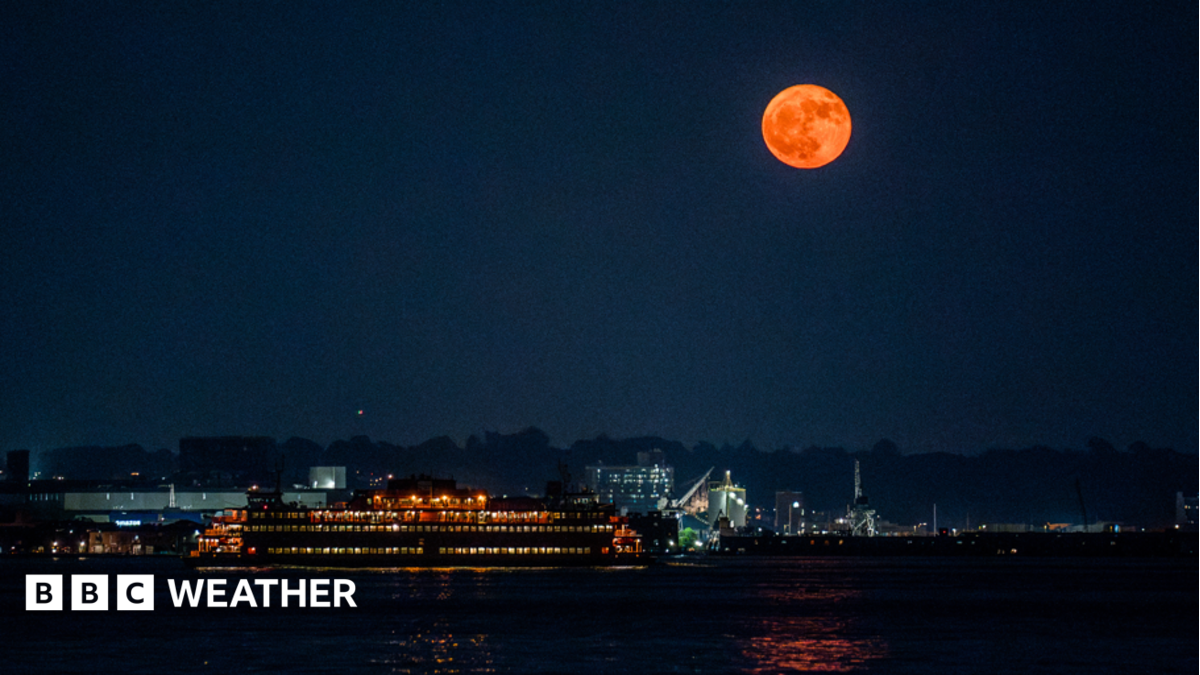
The June 2026 Strawberry Moon rises on 29 June, giving Australian skywatchers a high Southern Hemisphere view and a clear reason to look up.
Explore what people are searching for right now. Trend Digest provides clear, easy-to-read summaries of the hottest global trends — with timelines, visual highlights, and key takeaways explaining what’s happening, why it matters, and how each story evolves.
Explore the latest articles and data-driven insights for this topic.
The June 2026 Strawberry Moon rises on 29 June, giving Australian skywatchers a high Southern Hemisphere view and a clear reason to look up.
The Pentagon has begun releasing classified UFO files, revealing unresolved military sightings and reigniting debate about aerial phenomena, security and transparency.
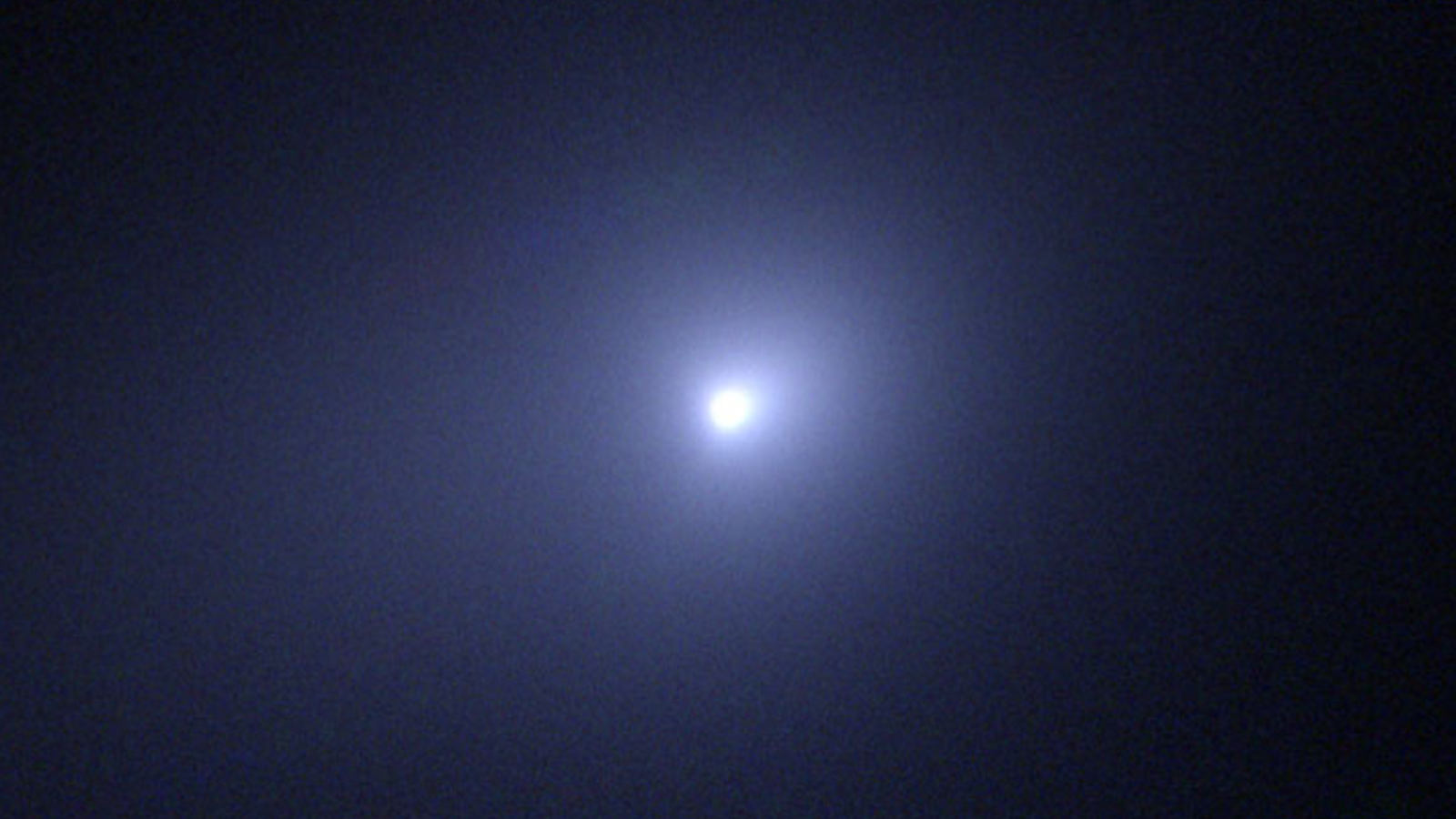
A rare interstellar comet stunned scientists by releasing massive water and methane near the Sun, offering new clues about space threats and planetary science.
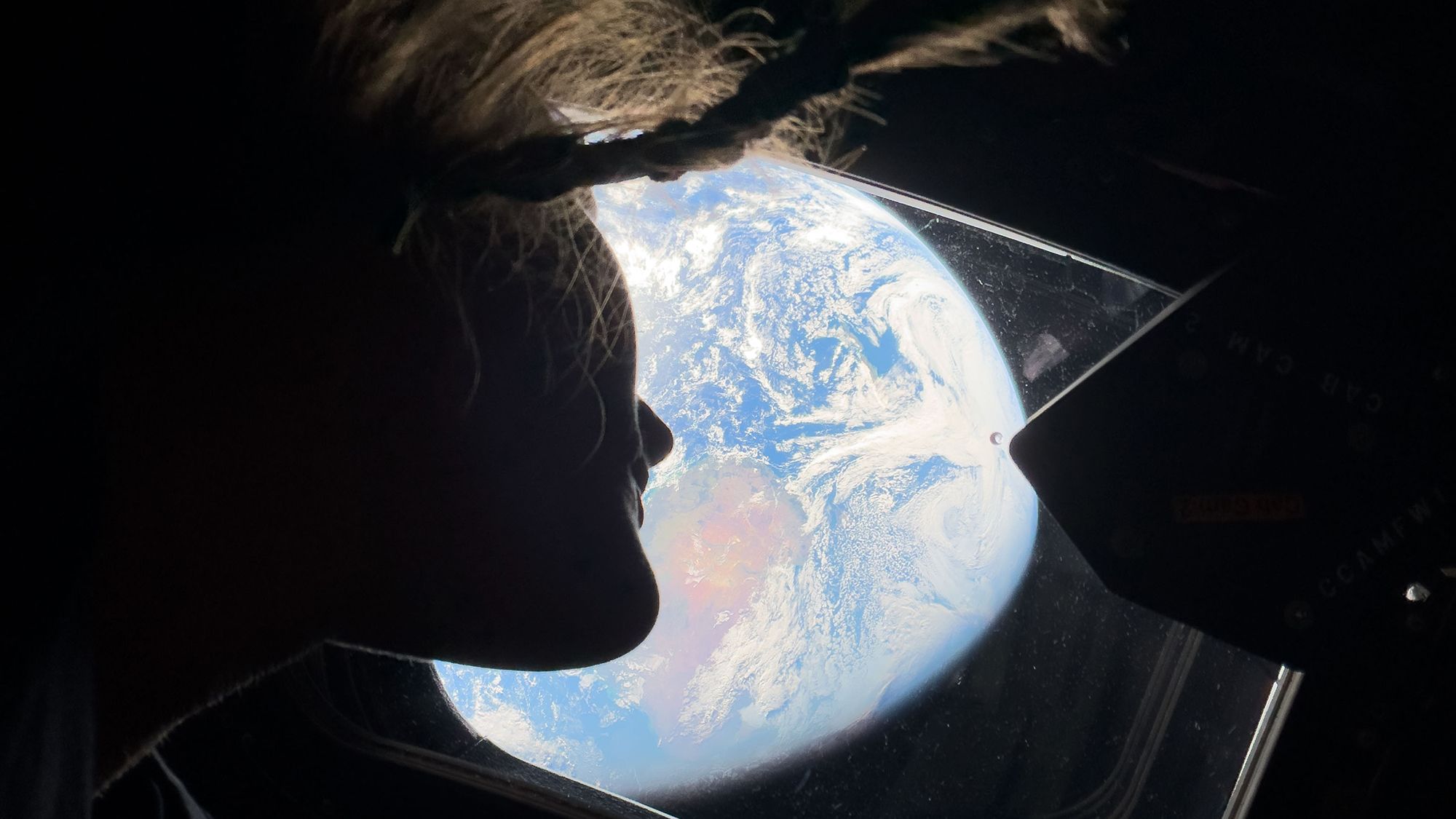
NASA's Artemis II crew is making history by using iPhone 17 Pro Max handsets to document their journey to the Moon, sending back stunning high-res images of Earth.
Australia is set for a celestial treat tonight as the April Pink Moon reaches its peak. Here is everything you need to know about when to look up and why it is not actually pink.
NASA's Artemis II mission has successfully launched from Kennedy Space Center, carrying a four-person crew on a historic 10-day journey around the Moon, supported by critical Australian tracking infrastructure.
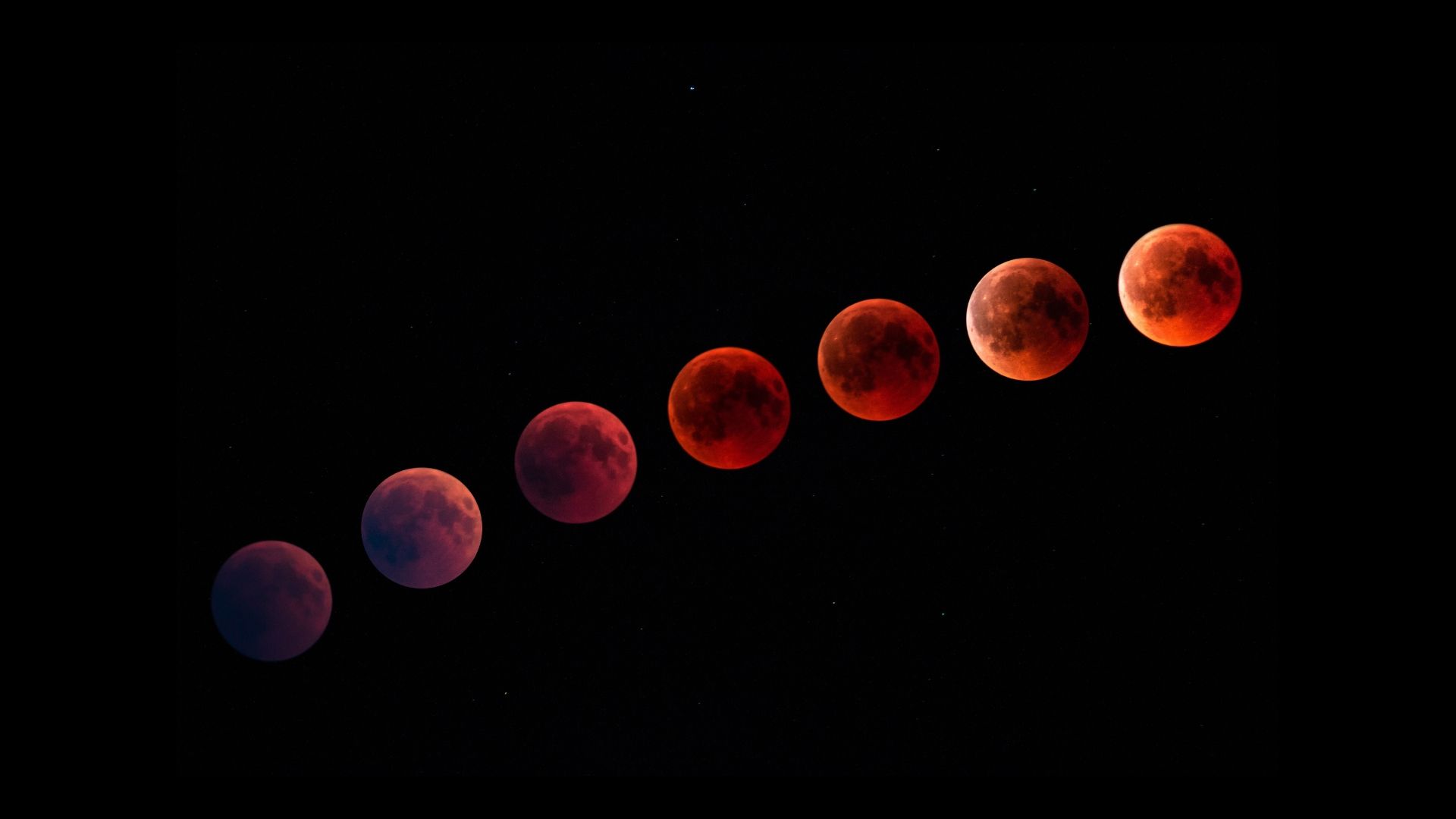
A total lunar eclipse will turn the moon red on March 3, 2026, with Australia positioned as a primary viewing location for the rare 'Blood Moon' event.