
The June full moon is not just another bright disc in the sky: for the Southern Hemisphere, it is being billed as the highest full moon of the year. That gives Australian skywatchers a stronger viewing angle than many observers in the Northern Hemisphere, where the Moon will sit lower after sunset. The full Moon occurs on 29 June 2026, with published moonrise timings listing Sydney at 16:02 and Melbourne at 16:10 local time.
What We Know So Far
The 2026 Strawberry Moon falls on 29 June, with the Moon expected to appear bright and full on the nights of 29 and 30 June. Several astronomy guides list the peak around the evening of 29 June, while BBC Sky at Night Magazine says observers across the Southern Hemisphere should see the Moon climb higher than northern viewers.
That north-south difference matters. In the Northern Hemisphere, the full Moon rises in the southeast, travels low across the southern sky, and sets in the southwest. In the Southern Hemisphere, the same full Moon rises in the southeast, moves high across the northern sky, and sets in the southwest. For Australians, that means a cleaner, more commanding view if the sky is clear.
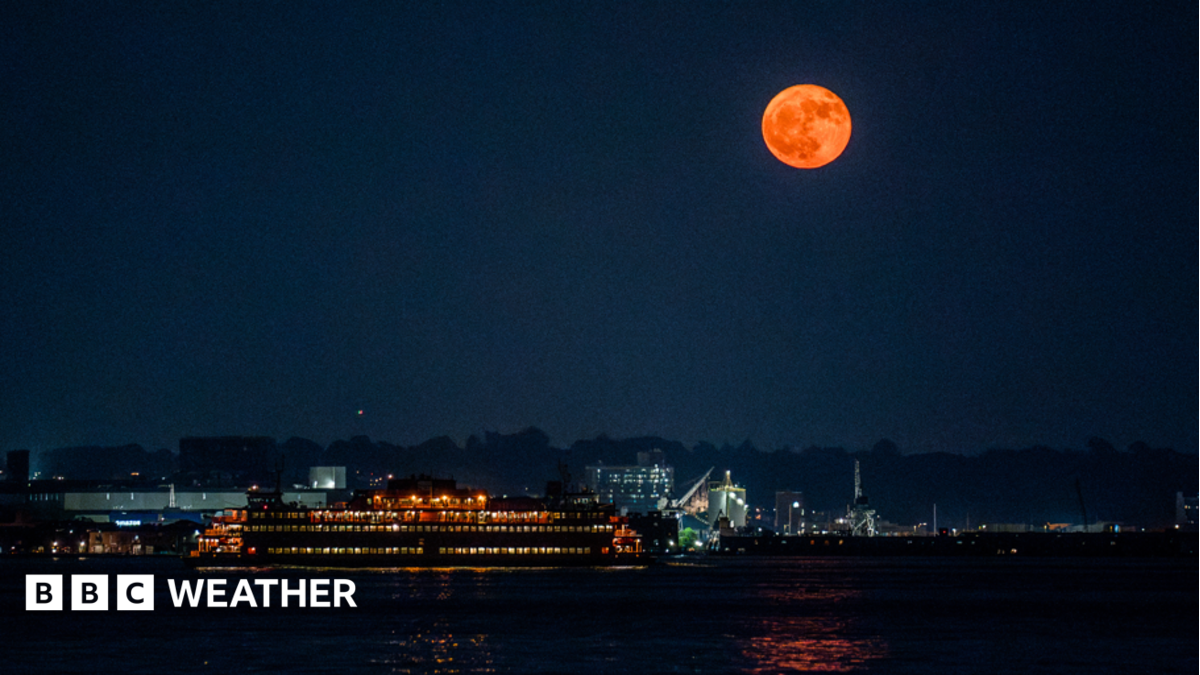
The nickname can be misleading. The Strawberry Moon is not expected to look like a strawberry, and its name is tied to the ripening of strawberries in parts of North America rather than to the Moon's colour. WRAL explains that the Moon can look yellow, orange or faintly pink near the horizon because light passes through a thicker layer of Earth's atmosphere, scattering shorter blue wavelengths and allowing more red and orange light to reach the eye.
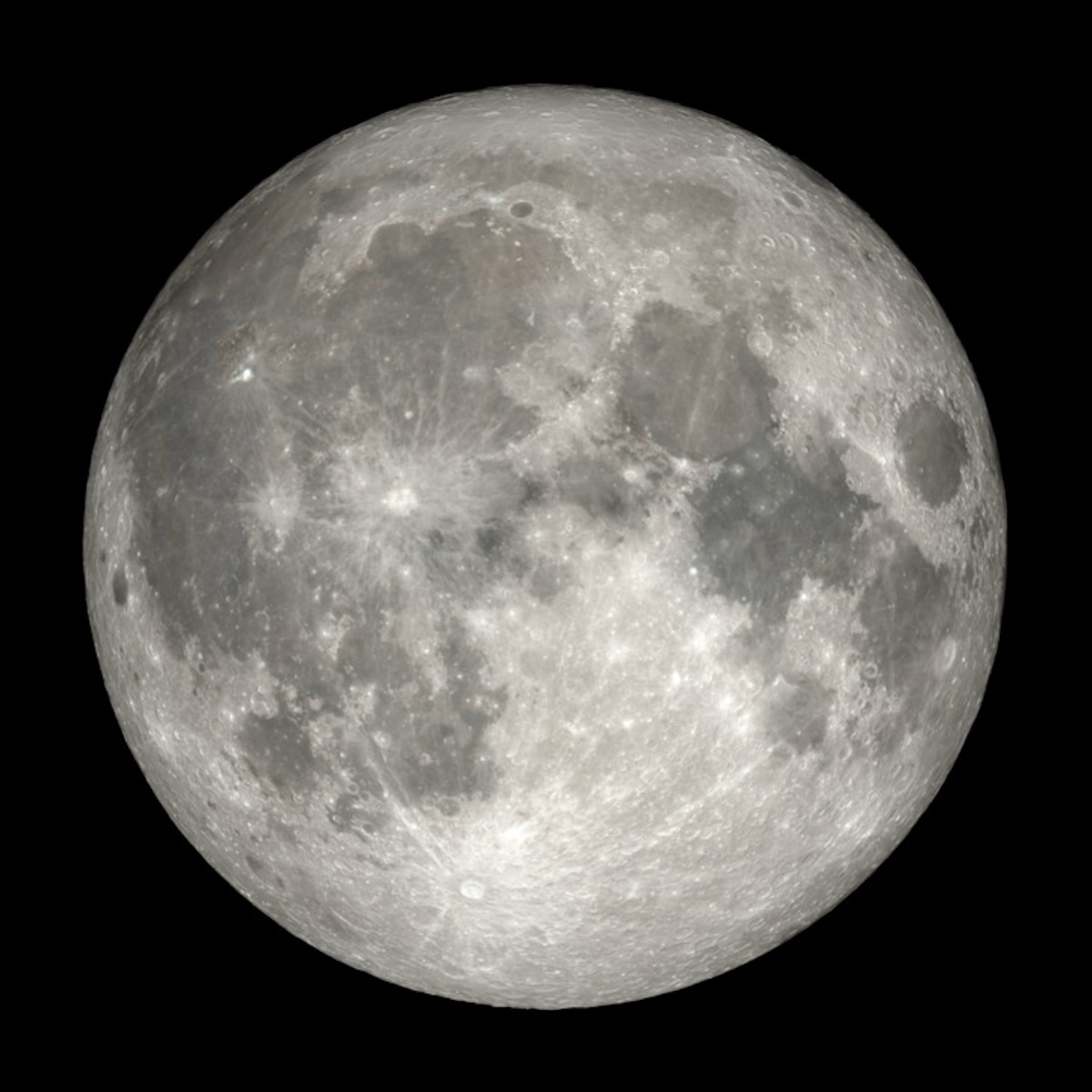
There is another detail for close watchers: NBC 5 Chicago reported that this June full Moon is a micromoon, because it becomes full near apogee, the point in the Moon's orbit when it is farthest from Earth. Astronomy Magazine listed apogee on 28 June at 252,441 miles, or 406,264 kilometres, from Earth. That does not make the Moon invisible or unimpressive; it means it appears slightly smaller than a supermoon.
- Strawberry Moon
- The common nickname for the June full Moon, linked to strawberry ripening season in parts of North America.
- Micromoon
- A full Moon that occurs near apogee, when the Moon is close to its farthest point from Earth.
- Apogee
- The farthest point in the Moon's orbit around Earth.
Voices & Opinions
The naming tradition has drawn careful explanation from astronomers and weather writers because the phrase is often misunderstood. The Asheville Citizen Times quoted UNC Asheville Associate Professor of Astronomy Britt Lundren, who cautioned that moon names should not be flattened into a single tradition.
Each tribe has a close relationship with the land, and their moon names will reflect the seasonal changes unique to their environments,
WRAL's account, written by NASA Ambassador Tony Rice, places the name within Indigenous seasonal traditions and notes that different nations used different names for the June full Moon. The Cherokee name Green Corn Moon, the Western Abenaki name Hoer Moon, and Cree names such as Egg Laying Moon and Hatching Moon all point to the same principle: the Moon was a marker for what was changing on the land.
Local Impact
For Australian readers, the practical takeaway is simple: this is one of the better full moons of the year to look for because the Southern Hemisphere gets the higher track. BBC Sky at Night Magazine lists moonrise at 16:02 in Sydney and 16:10 in Melbourne, both local times.

That timing means the Moon is already rising before many people finish their day. The best value is not only the peak moment, but the broader evening view, since several sources say the Moon will appear full through the night or across the nights around 29 and 30 June. For city observers, a clear view toward the southeast at moonrise gives the most dramatic horizon effect.
Australians should also avoid expecting a red lunar spectacle. If the Moon picks up warm colour near the horizon, that is a viewing effect caused by the atmosphere, not a change in the Moon itself. The story is less about colour and more about position: in winter for the Southern Hemisphere, this full Moon reaches high into the sky.
Coming Up
The next full Moon named in the supplied astronomy calendars is the Buck Moon on 29 July. USA Today also lists the Sturgeon Moon on 28 August, the Harvest Moon on 26 September, the Hunter's Moon on 26 October, the Beaver Moon on 24 November, and the Cold Moon on 23 December. NBC 5 Chicago and USA Today both identify 24 November as the next supermoon date in 2026.
At a Glance
- The 2026 Strawberry Moon occurs on 29 June.
- BBC Sky at Night Magazine lists moonrise at 16:02 in Sydney and 16:10 in Melbourne.
- It is called the Strawberry Moon because of strawberry ripening season in parts of North America, not because of its colour.
- The Moon may look orange or pink near the horizon because of atmospheric scattering.
- This full Moon is described as a micromoon because it occurs near apogee.
- The next listed full Moon is the Buck Moon on 29 July.
FAQ
When is the Strawberry Moon in 2026?
The Strawberry Moon occurs on 29 June 2026 and should appear full on the nights of 29 and 30 June.
What time does the Strawberry Moon rise in Australia?
BBC Sky at Night Magazine lists moonrise at 16:02 in Sydney and 16:10 in Melbourne, both in local time.
Will the Strawberry Moon actually look red?
No. The name does not refer to colour. It may look orange or faintly pink near the horizon because of the way Earth's atmosphere scatters light.
Why is it called the Strawberry Moon?
The name is linked to the period when strawberries ripen in parts of North America. Other cultures and Indigenous nations use different seasonal names.
Is the June 2026 full Moon a supermoon?
No. Sources describe it as a micromoon because it occurs near apogee, when the Moon is farthest from Earth.
When is the next full Moon after June?
The next listed full Moon is the Buck Moon on 29 July 2026.