

Last updated: April 1, 2026
NASA Launches Artemis II Crew — Humans Return to Lunar Orbit
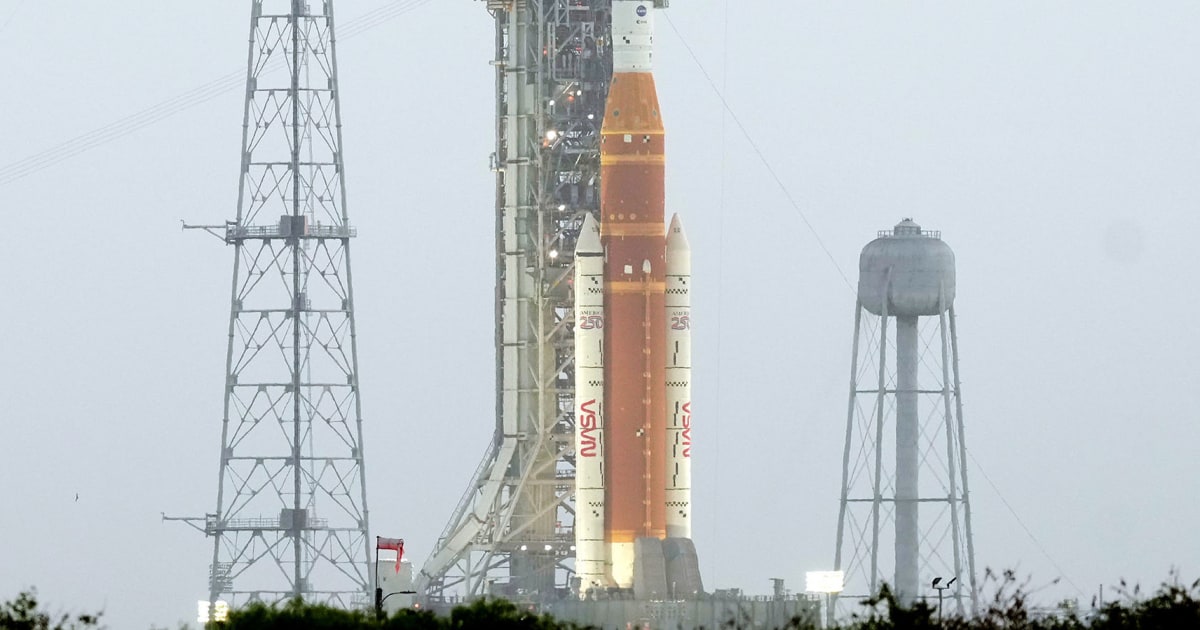
The Florida coastline trembled as a column of fire pierced the morning sky, carrying the hopes of a generation back toward the lunar horizon. Four astronauts are currently sealed inside the Orion spacecraft, beginning a high-stakes journey that marks the first time humans have ventured to the Moon in over half a century. NASA has confirmed that all systems are stable as the crew begins their initial orbital checks.
How Events Unfolded
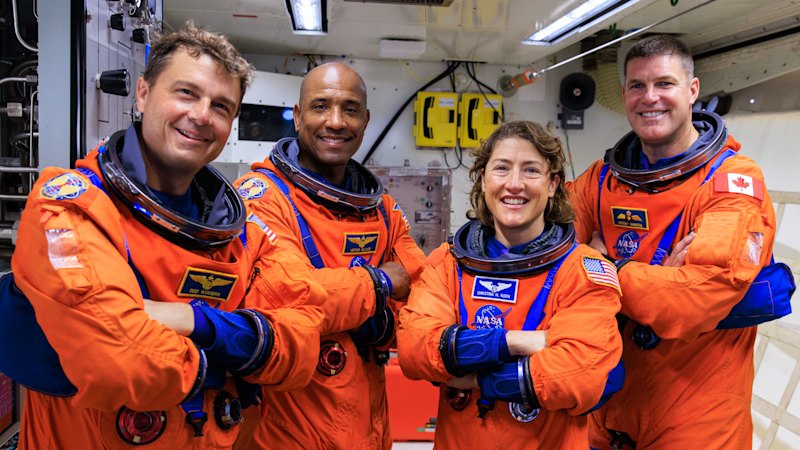
The countdown reached zero at the Kennedy Space Center following a morning of meticulous preparation. The crew—consisting of Reid Wiseman, Victor Glover, Christina Koch, and Canadian Jeremy Hansen—were strapped into their seats hours before ignition, running through a gauntlet of pressure tests and communication syncs. Fair dinkum, the tension on the ground was palpable as technicians cleared the pad for the Space Launch System (SLS) to do its job.
Shortly after liftoff, the solid rocket boosters separated as planned, leaving the core stage to push Orion into an initial elliptical orbit. The astronauts are now tasked with a critical 24-hour checkout phase. During this window, they will perform manual piloting demonstrations of the spacecraft, ensuring that if automated systems fail during the deep-space leg of the journey, the humans at the helm can take over.
The mission isn't a direct landing; instead, it is a 10-day flight that will loop around the far side of the Moon. This trajectory uses lunar gravity to sling the capsule back toward Earth. It’s a bold test of the life-support systems that will eventually sustain crews on the lunar surface during Artemis III and beyond.
Digging Deeper
Why has it taken since 1972 to get back there? The answer lies in a mix of shifting political priorities and the sheer complexity of building a sustainable presence rather than a "flags and footprints" sprint. Unlike the Apollo era, Artemis is designed for longevity, utilizing the Gateway station and modern heat-shield technology that can withstand re-entry speeds of over 40,000 km/h.
What's interesting is that Australia isn't just a spectator in this mission. Through the Australian Space Agency and our long-standing tracking stations in Canberra, we are providing the essential communication links that keep the crew connected to Mission Control. Without our local dish infrastructure at Tidbinbilla, there would be significant blackouts in data transmission as the Earth rotates.
What People Are Saying
The mood among space flight experts is one of cautious triumph. This mission is seen as the ultimate proof-of-concept for the hardware that will eventually take us to Mars. Experts note that the diversity of this crew—including the first woman and first person of colour to leave low-Earth orbit—reflects a modern era of exploration.
This mission is a game-changer for mankind. We aren't just going back to the Moon; we are learning how to live there.
Putting It in Perspective
For those of us back home, this isn't just about cool photos of the lunar surface. The Artemis program is driving a massive surge in the Australian aerospace sector. We are seeing multi-million dollar investments in local robotics and remote operations—tech that will likely trickle down into our mining and medical industries. The sheer scale of the mission is a beauty of engineering that reminds us what collective human effort can achieve.

The economic ripple effects are already being felt, with partnerships between NASA and Australian universities growing. This provides a clear pathway for local engineering students to work on interstellar projects without having to move to Houston or Florida permanently.
Looking Ahead
The next major milestone occurs in approximately 48 hours, when the Orion spacecraft will perform its Trans-Lunar Injection burn. This will officially kick the crew out of Earth's orbit and toward the Moon. If all goes well, we can expect the first live high-definition broadcasts from the lunar far side by early next week. Follow the live mission tracker here for real-time telemetry updates.
Frequently Asked Questions
Is the Artemis II crew landing on the Moon?
No, this is a flyby mission. The crew will loop around the Moon to test the spacecraft's systems in deep space before returning to Earth. A lunar landing is planned for the subsequent mission, Artemis III.
How long will the astronauts be in space?
The mission is scheduled to last approximately 10 days, concluding with a splashdown in the Pacific Ocean.
Why is Australia involved in a NASA launch?
Australia provides critical ground station support. The Canberra Deep Space Communication Complex is one of only three places in the world capable of maintaining constant contact with spacecraft at lunar distances.
Who are the four astronauts on board?
The crew includes Commander Reid Wiseman, Pilot Victor Glover, and Mission Specialists Christina Koch and Jeremy Hansen.
Where can I watch the mission live?
NASA is providing a 24/7 live stream of the mission on their official website and YouTube channel, featuring views from cameras mounted on the Orion spacecraft.