
Last updated: April 6, 2026
Artemis II: 4 Astronauts Beam Back First 'Shot on iPhone' Lunar Photos
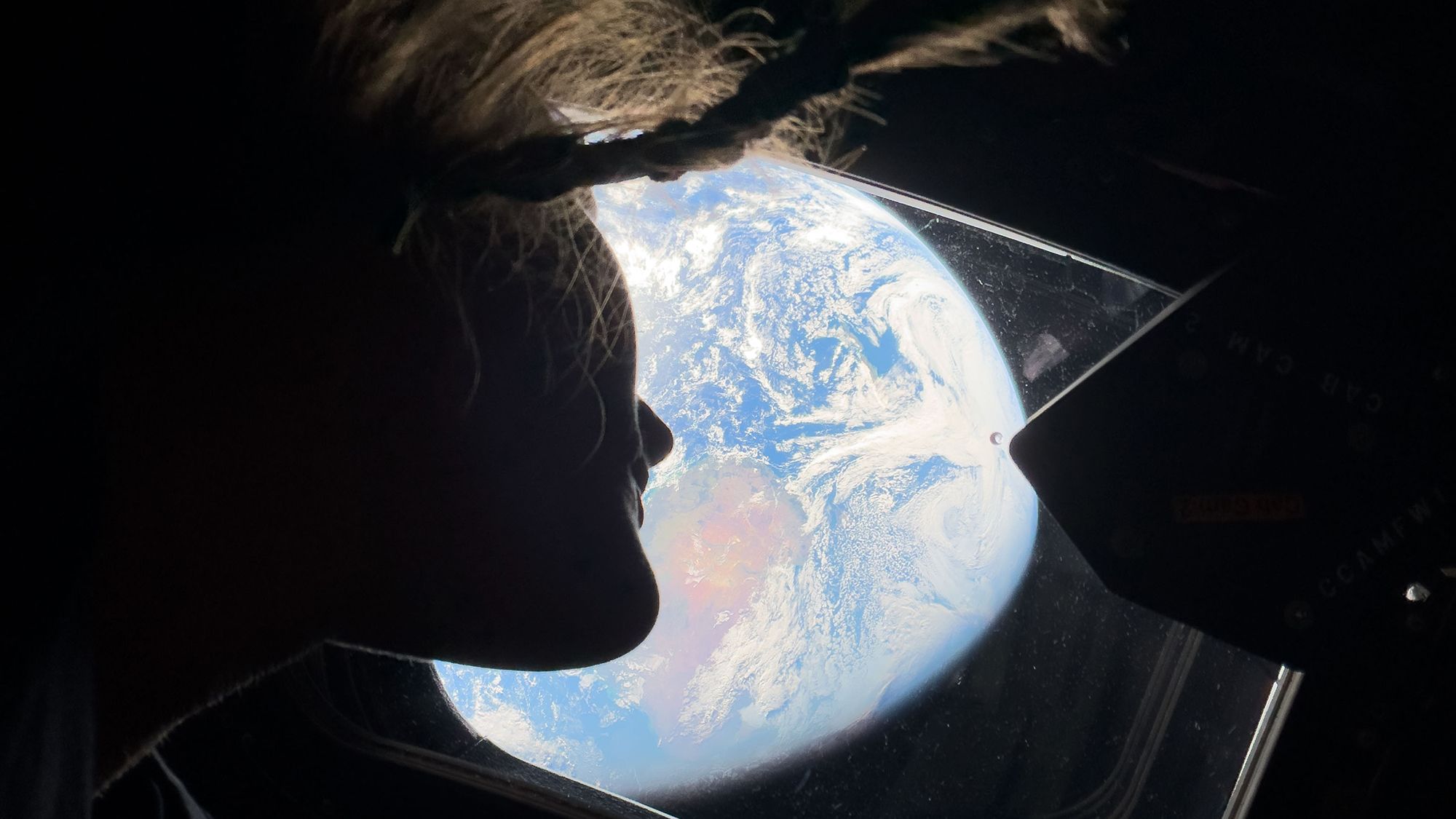
The crew of NASA's Artemis II mission have successfully transmitted the first high-resolution images of Earth and the lunar surface captured using consumer-grade iPhone 17 Pro Max handsets. This milestone marks a significant shift in how space agencies document deep-space travel, moving beyond specialized hardware to leverage everyday tech on the way to the Moon.
The Full Story
For decades, space photography was the exclusive domain of massive, custom-built Hasselblads and Nikon DSLRs modified to survive the harsh vacuum and radiation of the cosmos. But as the Artemis II crew—the first humans to head toward the Moon in over 50 years—shot past low Earth orbit this week, they did so with something much more familiar in their pockets. The crew has been sharing stunning snaps of our 'Blue Marble' and the lunar horizon using a fleet of iPhone 17 Pro Max devices, proving that the tech we use for brunch photos is now hardy enough for the final frontier.
It’s not just about taking a quick selfie for the 'gram, though. The inclusion of these smartphones on the Orion spacecraft serves as a massive stress test for mobile sensor technology. Images sent back to mission control show incredible detail in the Earth's cloud formations and the stark, cratered landscape of the Moon. What’s interesting is how the astronauts are using the phones; they aren't just for stills, but for recording internal cabin logs and quick-fire video updates that feel far more personal than traditional NASA broadcasts.

Naturally, critics have joked about the astronauts having "too much screen time" while on the most important journey of their lives. But here's the thing: these devices are being used to humanise the mission. By using the same tools we have here in Australia, the distance between the lunar surface and a lounge room in Sydney feels just a little bit smaller. It’s as clear as day that the accessibility of this footage is sparking a level of engagement we haven't seen since the Apollo era.
Key Figures
- Reid Wiseman: Mission Commander and one of the primary crew members seen documenting the journey.
- Victor Glover: Pilot of the Orion spacecraft, helping lead the way back to lunar orbit.
- Christina Koch & Jeremy Hansen: Mission specialists who have been actively sharing their unique perspectives of the voyage.
- Apple: The manufacturer of the iPhone 17 Pro Max, which is now technically the most distant smartphone in human history.
What This Means
This isn't just a win for Apple's marketing department; it’s a massive proof-of-concept for "off-the-shelf" technology in space exploration. If a standard smartphone can handle the radiation environment of a translunar injection, it opens the door for cheaper, more redundant systems on future missions to Mars. For us back home, it means we’re getting a front-row seat to the mission in a format that feels real and unfiltered.
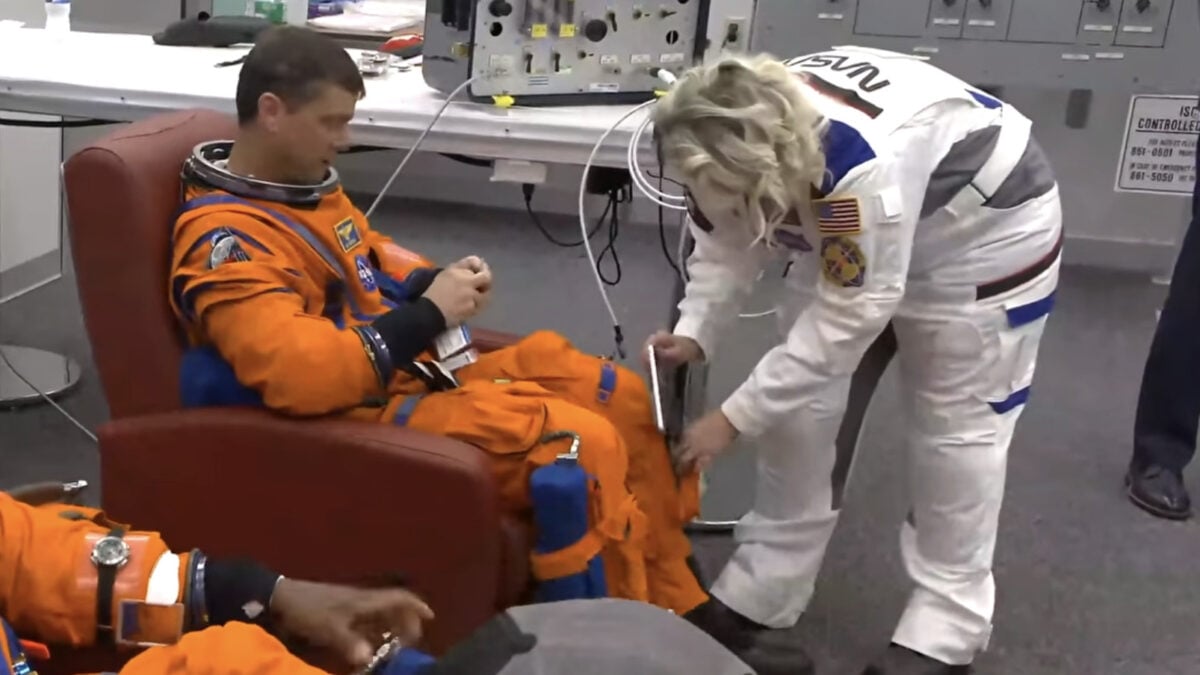
"There are no words. The detail we're seeing on these screens while looking out the window is just incredible."
While NASA still uses high-end scientific cameras for mapping, the iPhone has become the crew's preferred tool for social outreach. It reminds us that even while 380,000 kilometres away, the human urge to capture a moment and share it with home remains the same. It’s the bees knees for space enthusiasts who want to see the Moon through the same lens they use every day.
What to Expect
- Continued Daily Updates: The crew is expected to share more "Live" style updates as they swing around the far side of the Moon.
- Deep-Space Durability Report: After the mission, NASA engineers will likely study these specific handsets to see how the sensors held up against cosmic rays.
- Full Gallery Release: A curated gallery of the best lunar shots is expected once the Orion capsule splashes down.
FAQ
Which iPhone model are the Artemis II astronauts using?
The crew is primarily using the iPhone 17 Pro Max to capture high-resolution photos and 4K video.
Why is NASA using iPhones instead of professional cameras?
NASA uses both, but iPhones are used for their portability, ease of use for social media, and to test how consumer tech survives in space.
Are the photos edited before being sent to Earth?
The images are transmitted as raw data files to ensure maximum quality before being processed for public release.
Can the iPhone 17 Pro Max survive space radiation?
The devices are being tested as part of the mission. While they are within the shielded Orion capsule, they are still exposed to higher radiation than on Earth.
Will we see a 'Shot on iPhone' commercial from the Moon?
While not an official commercial, the images are already being hailed as the ultimate real-world advertisement for the device's camera system.