
For decades, UFO stories lived somewhere between conspiracy theory and late-night pub chat. Now the Pentagon has pushed a stack of once-classified files into public view, including military sightings, unexplained aerial incidents and internal government assessments that were locked away for years.
The release has reignited global fascination with unidentified anomalous phenomena, or UAPs — the official term now preferred by defence agencies. And while the files stop well short of confirming extraterrestrial life, they do reveal how seriously the US military has treated encounters it still cannot explain.
In Australia, the timing matters. Defence analysts here have spent years tracking how allied nations handle sensitive aerospace incidents, especially as surveillance technology and drone activity explode across the Indo-Pacific.
What We Know So Far
The first batch of files includes incident reports, military pilot observations and government communications tied to unidentified flying objects dating back decades. US officials say the goal is transparency — letting the public examine the same material that defence analysts and intelligence teams reviewed internally.
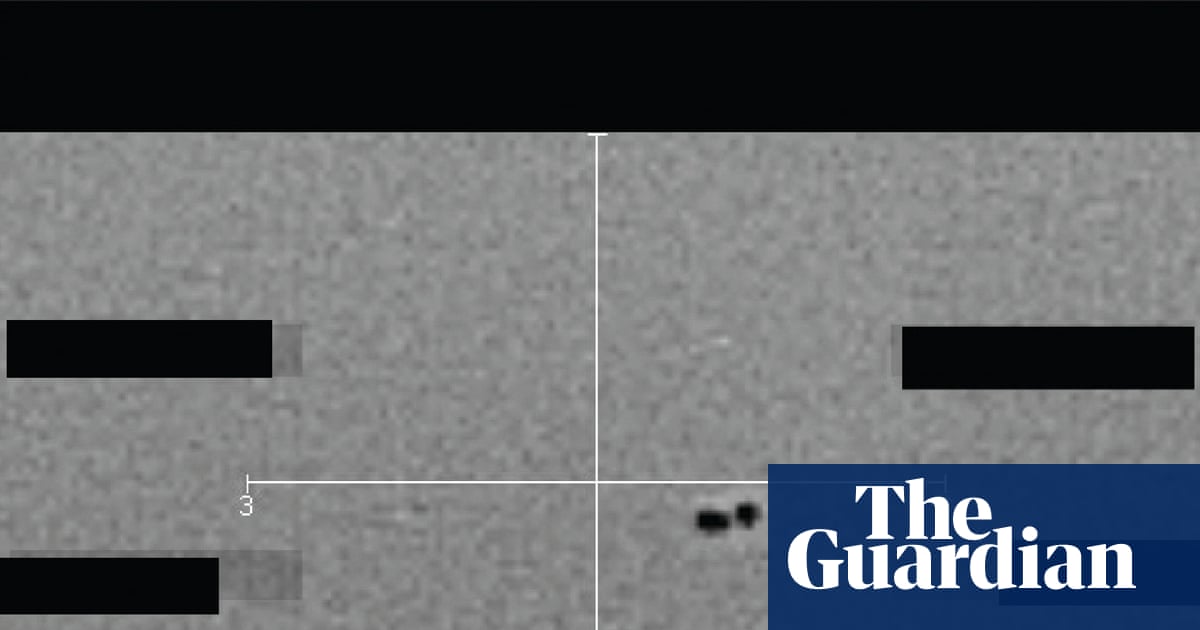
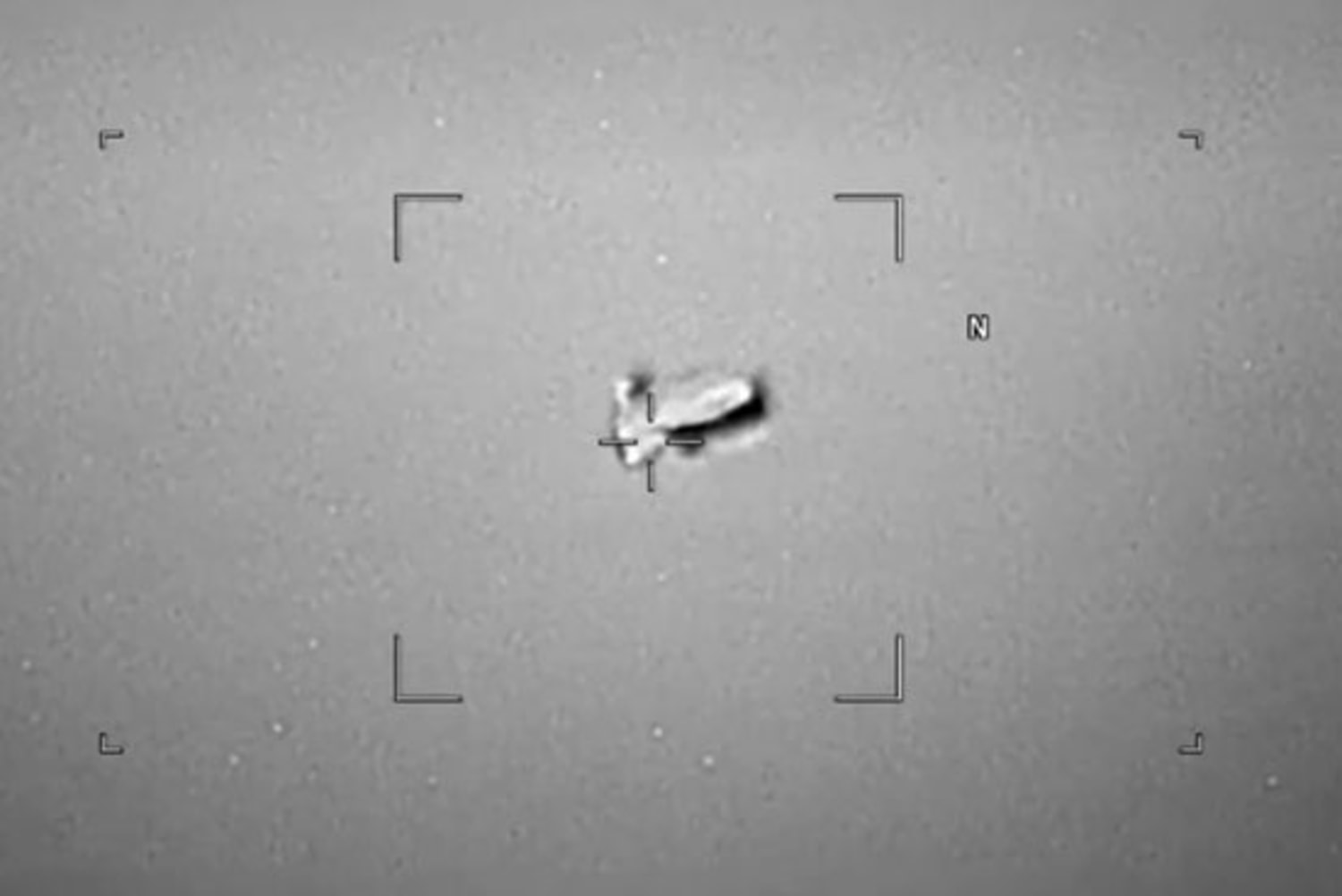
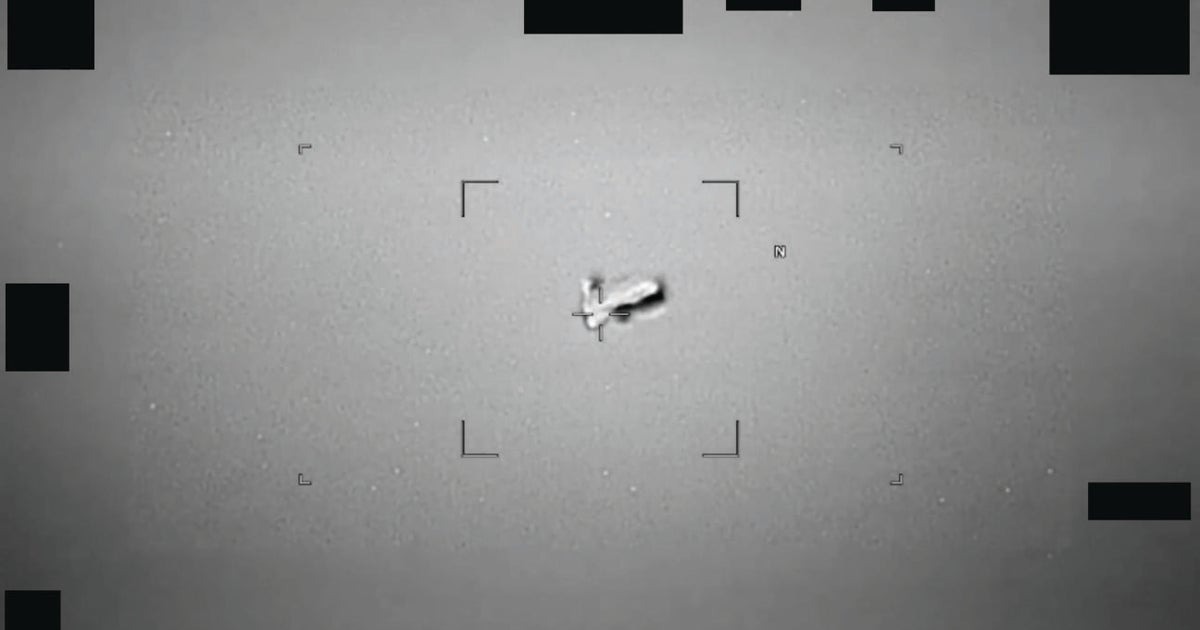
Several of the released cases involve fast-moving airborne objects spotted near military training zones and naval operations. Some reports were eventually linked to balloons, drones or atmospheric effects. Others remain unresolved. That's the detail grabbing attention online.
What's interesting is the language has changed dramatically compared with the Cold War era. Officials are now framing these cases less as alien mysteries and more as aviation safety and national security concerns. In practical terms, that means unexplained aircraft near military assets are treated as potential intelligence risks first, entertainment second.
Meanwhile, former officials and researchers who pushed for disclosure are calling this only the beginning. Some lawmakers in Washington have argued for years that excessive secrecy around UAP investigations damaged public trust. Others say releasing partial files without deeper technical data could simply fuel more speculation.
The political backdrop matters too. Members of the Trump administration hinted for weeks that a large disclosure push was coming, framing it as a transparency exercise aimed at giving Americans direct access to information. You can review details from the first release here or follow the broader timeline through ongoing Pentagon coverage.
If you've followed this topic over the years, you might remember the US Navy videos leaked in the late 2010s showing strange airborne objects tracked by military pilots. Those clips shifted the conversation from fringe forums into mainstream defence policy. The cat's out of the bag, as many observers in Canberra's strategic community would put it.
What People Are Saying
It's time the American people see it for themselves.
Supporters of the release argue public scrutiny is healthy, especially when governments have historically classified unusual aviation incidents for decades. Critics, though, warn that internet speculation can quickly outrun verified facts.
Australian defence watchers are taking a more measured view. Several analysts note that unresolved aerial reports do not automatically imply extraterrestrial activity. Often, the explanation is more mundane: sensor glitches, advanced drones, classified aircraft programs or incomplete radar data.
Still, the scale of public interest has been enormous. Social platforms lit up within minutes of the release, with searches for “ufo files” and “pentagon documents” surging globally. Fair dinkum, it's rare for a declassification dump to dominate pop culture and defence conversations at the same time.
How This Affects You
For Australians, the direct impact is less about little green men and more about transparency, technology and defence cooperation. Australia works closely with the United States through intelligence-sharing agreements and regional defence partnerships. How Washington handles unexplained aerial incidents could influence future reporting standards across allied countries.
The files also arrive as commercial drone use expands rapidly here at home. Aviation regulators are already grappling with unidentified objects near airports and restricted airspace. Distinguishing harmless drone activity from serious security threats is becoming a major operational challenge.
And then there's the cultural side of it. Streaming documentaries, podcasts and online creators have built massive audiences around UFO investigations over the past five years. The Pentagon release gives those discussions fresh fuel — although experts continue urging caution about jumping to dramatic conclusions.
Take it with a grain of salt is still the dominant mood among many scientists. Extraordinary claims, they argue, still require extraordinary evidence.
Coming Up
US officials say additional batches of files are expected in the coming months, with more archived reports undergoing review before public release. Lawmakers are also pushing for expanded hearings involving military personnel and intelligence officers tied to past investigations.
Researchers are now combing through the documents line by line, searching for patterns, inconsistencies and previously unknown incidents. Online communities have already started building searchable databases from the released material.
Readers wanting to monitor future disclosures can follow official updates through Pentagon publication channels and congressional hearing schedules.
At a Glance
- The Pentagon released the first tranche of previously classified UFO files.
- Several incidents remain officially unexplained after military review.
- Officials frame the issue as a national security and aviation concern.
- Australian analysts are watching the disclosure process closely.
- More files and hearings are expected later this year.
- Public interest in UFO investigations has surged worldwide.
FAQ
What are the newly released UFO files?
They are previously classified Pentagon documents covering military sightings, investigations and internal assessments related to unidentified aerial phenomena.
Did the Pentagon confirm alien life?
No. The released material includes unresolved incidents, but officials have not confirmed extraterrestrial activity.
Why is the US government releasing these files now?
Officials say the move is part of a broader transparency effort and reflects growing public and political pressure for disclosure.
How does this affect Australia?
Australia closely cooperates with US defence and intelligence agencies, so changes in aerial threat reporting standards could influence local policy discussions.
Will more UFO documents be released?
Yes. US officials and lawmakers say additional batches of files are expected over the coming months.