

The highly anticipated Pink Moon is set to reach its peak across Australian skies tonight, Thursday, April 2, 2026, marking the first full moon of the autumn season. Stargazers from Perth to Sydney are prepping their cameras as this lunar event promises a spectacular display, provided the clouds play fair.
The Full Story
Tonight's lunar show isn't just any old full moon; it's the famous Pink Moon, a name that often leaves first-timers a bit confused. Despite the moniker, the moon won't actually be glowing like a stick of Musk Sticks. The name actually comes from Native American traditions, specifically referring to the Phlox subulata (moss pink) wildflower that blooms in the Northern Hemisphere during spring. Down here in the Great Southern Land, we’re heading into the cooler months, but the name sticks regardless of our local season.
For those of us in Australia, the moon officially reaches its full phase during the daylight hours or early evening depending on your specific time zone. However, to the naked eye, it will look perfectly round and brilliant from moonrise tonight through to sunrise tomorrow.
What makes tonight special is the timing; it's a great excuse to get outside before the winter chill truly sets in.
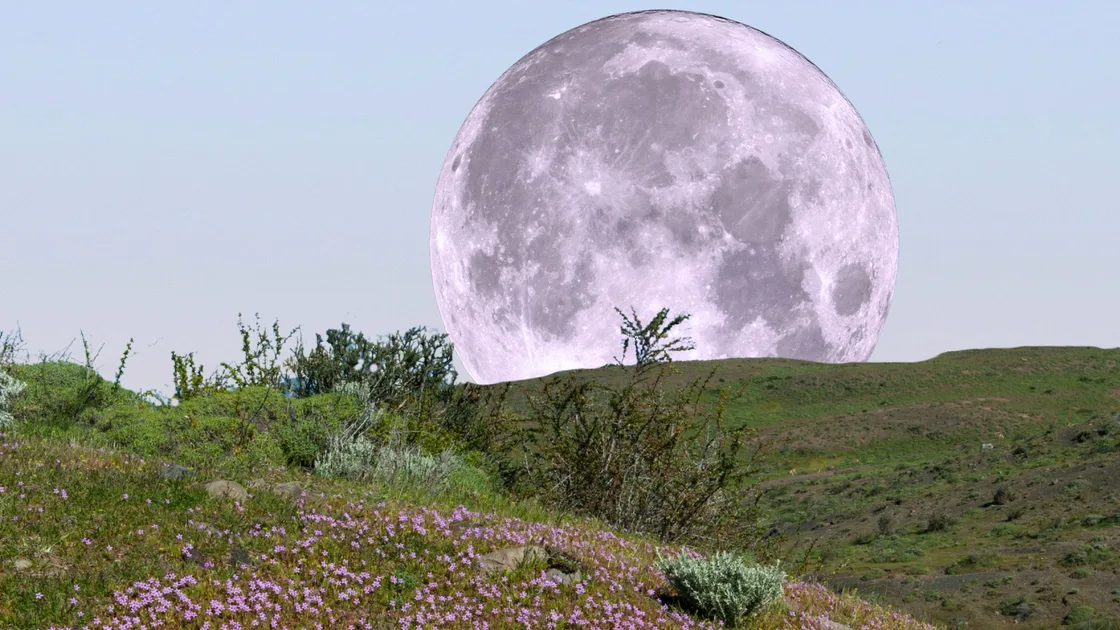
If you're keen to catch the best view, experts suggest watching during moonrise. This is when the "moon illusion" kicks in—the celestial body appears much larger and more golden when framed by buildings or trees on the horizon. It's a proper beauty of a sight that doesn't require any fancy gear, though a pair of binoculars will let you spot the craters in much finer detail.
The Main Players
- The Moon: Reaching its peak illumination for the month of April.
- NASA: Providing technical tracking and skywatching tips for enthusiasts.
- Stargazers: Locals across Australia heading to coastal lookouts and dark-sky spots.
What This Means
Beyond being a pretty sight, this moon carries a bit of weight for the superstitious and the scientific alike. In the world of astrology, this particular lunation is tucked into the sign of Libra, which traditionally focuses on balance and relationships.
The Full Moon in April often acts as a cosmic mirror, reflecting where we need more harmony in our lives.
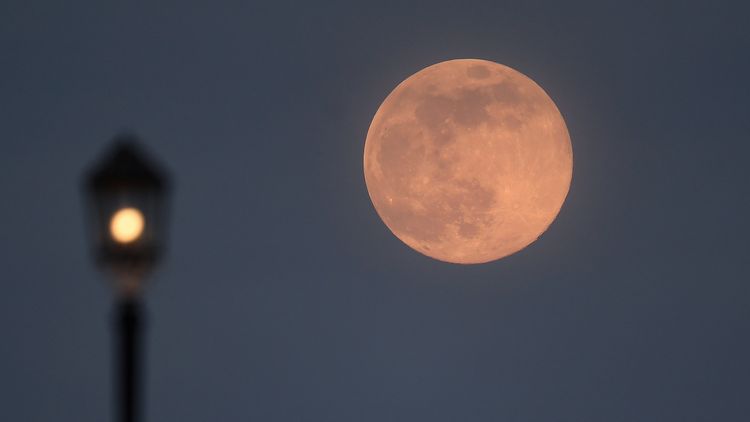
For the average Aussie, it's a moment of collective pause. In a world that's always flat out, taking ten minutes to look at the sky is a cheap and easy way to de-stress. It also marks a significant point in the lunar calendar that determines the dates of various cultural and religious festivals globally. Here's the thing: while it's not actually pink, the atmospheric conditions—like dust or smoke—could actually give it a reddish or orange tint as it sits low on the horizon, so you might get lucky with the colour after all!
What to Expect
- Peak Visibility: Best viewed from 6:00 PM onwards (local time) as the moon clears the horizon.
- Weather Conditions: Check your local BoM forecast; clear skies are expected for Melbourne and Adelaide, while Brisbane might see some patchy cloud.
- Next Event: Keep an eye out for the Lyrid meteor shower later this month, which NASA confirms will peak around April 22.
FAQ
Is the moon actually going to be pink tonight?
No, the name is traditional. It will likely appear golden or white, though it may look orange or reddish when rising due to atmospheric scattering.
What is the best time to see the Pink Moon in Australia?
The best time is right at moonrise, which occurs shortly after sunset in your local area on April 2.
Do I need a telescope to see it?
Not at all. The full moon is perfectly visible to the naked eye, though binoculars can help you see specific craters and lunar features.