
A bright patch of artificial moonlight could soon sweep across the ground as a giant reflector races through low Earth orbit. The US Federal Communications Commission has authorised radio operations for Reflect Orbital's Eärendil-1 demonstration satellite, which is designed to redirect sunlight towards Earth after sunset. The approval covers one experimental spacecraft, not the company's proposed fleet of more than 50,000 mirrors. Astronomers and environmental groups say the test exposes a wider regulatory gap around artificial light in space.
How Events Unfolded
The FCC granted Reflect Orbital permission to launch and operate Eärendil-1 using UHF, S-band and X-band radio links. The spacecraft is expected to orbit roughly 625 kilometres above Earth and deploy a steerable thin-film reflector measuring about 18 metres by 18 metres.
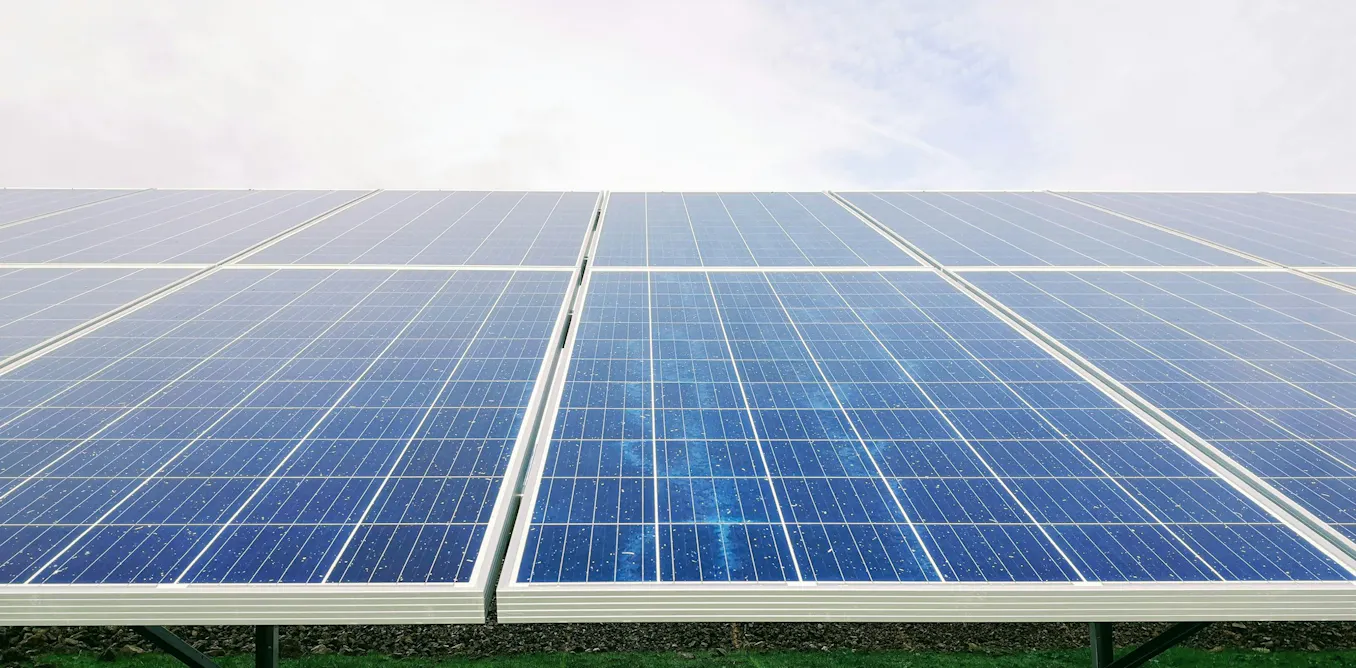
The mirror is intended to create a moving illuminated area approximately five kilometres wide. Reflect Orbital says the concept could extend solar farm output after sunset, provide lighting during disaster response and support agricultural, construction and industrial work.
The authorisation is limited to a single demonstration satellite. Reflect Orbital plans to launch Eärendil-1 later in 2026, although no specific launch date has been announced. The test will measure whether the reflector can unfold, maintain its shape, aim accurately and deliver predictable light while travelling at orbital speed.
The company has much larger ambitions. It has described a possible network of more than 50,000 satellites by 2035, but every future application would require a separate regulatory review. Approval of Eärendil-1 does not amount to approval of that constellation.
Digging Deeper
The core dispute is not whether a mirror can reflect sunlight. Russia's Znamya 2 experiment briefly swept reflected light across Europe in 1993. The new element is the effort to turn orbital illumination into a commercial service operating on a vast scale.
Astronomers warn that an object designed to be highly reflective poses a different problem from ordinary satellites, which operators often try to darken. Stray light can leave streaks across telescope images, overload sensitive instruments and increase the background glow against which researchers search for extremely faint objects.
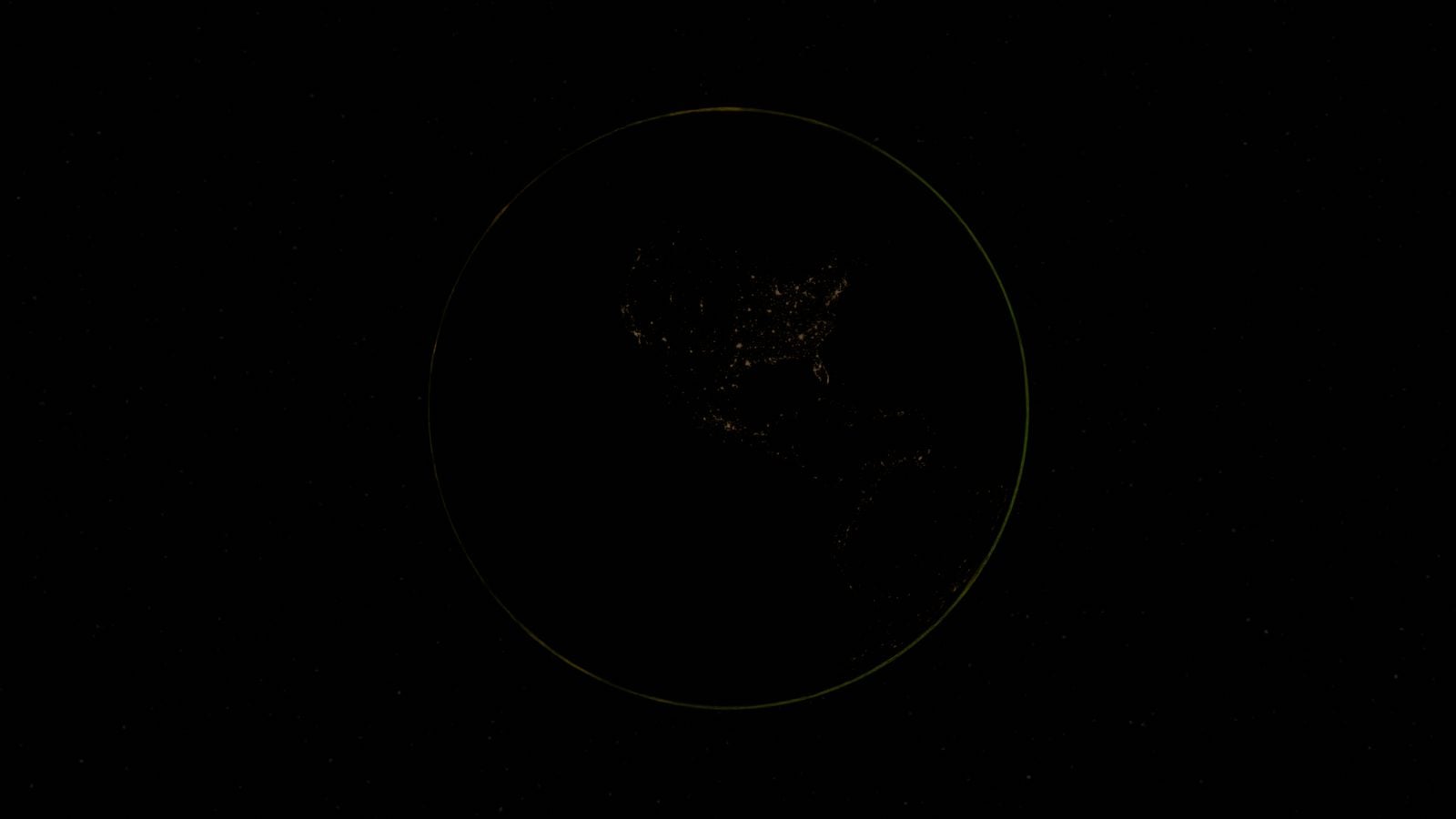
A model discussed by astronomers estimated that 5,000 similar reflectors could raise scattered night-sky brightness by roughly 20% to 30%. Under the model's assumptions, 50,000 could raise it by about 200% to 300%, leaving the affected background three to four times brighter than its natural baseline. Those estimates concern a hypothetical fleet, not the single approved satellite.
What People Are Saying
The FCC received more than 1,800 public comments on the application. The American Astronomical Society warned about potential eye injury through large telescopes, temporary flash blinding for pilots and drivers, and disruption to scientific observations.
The regulator said those concerns were outside its statutory role because its decision dealt primarily with radiofrequency spectrum. It concluded that the limited test could support the development of new technology and said objections often focused on a future constellation rather than specific harm from one spacecraft.
This raises an urgent question: if the regulator licensing these satellites has no mandate to examine what they actually do to the sky or the Earth below, then who does?
Reflect Orbital says it will schedule reflections for predetermined periods, notify researchers, avoid observatories and protected areas, and commission independent research. The company is also seeking coordination with the US National Science Foundation.
Putting It in Perspective
The immediate experiment is narrow, but the consequences extend beyond one American startup. Artificial illumination from orbit can cross borders, affect observatories far from the customer receiving the light and disturb ecosystems that rely on predictable darkness.

For Australia, the issue has direct relevance. The technology could interfere with observations made under southern skies even when a reflected beam is aimed elsewhere, because scattered sunlight and bright moving objects are not confined to national boundaries. Australia also has major solar resources, so the commercial promise of extending solar generation after sunset may attract interest alongside concerns about cost, reliability and environmental effects.
The case also highlights an institutional mismatch. The FCC was established to regulate communications, yet it is now assessing satellite systems whose main purpose may involve lighting, energy or other activities beyond radio transmission. Its approval addressed communications and orbital requirements without conducting a full environmental review of the mirror's operation.
Looking Ahead
Eärendil-1's planned 2026 launch will provide the first real measurements of brightness, beam accuracy, light spill and operational safety. Observatories will be able to track how bright the satellite appears from different angles and whether its reflections disrupt sensitive cameras.
Reflect Orbital must also show that the mirror can deploy successfully, avoid collisions and leave orbit under the conditions attached to its two-year authorisation. A technically successful demonstration would prove the basic engineering, but it would not settle the economics, environmental questions or regulatory path for thousands of additional satellites.
Frequently Asked Questions
What is the Eärendil-1 space mirror?
Eärendil-1 is a demonstration satellite carrying an approximately 18-metre-square reflector designed to redirect sunlight onto a selected area of Earth after sunset.
How large will the illuminated area be?
The planned beam is expected to cover an area roughly five kilometres wide and would move as the satellite travels through orbit.
Why are astronomers opposing the project?
They fear the bright reflector could leave trails in telescope images, increase sky glow, overwhelm sensitive equipment and make faint objects harder to observe.
Has the US approved all 50,000 proposed satellites?
No. The FCC authorised radio operations for one demonstration spacecraft. Any larger constellation would need additional applications and separate decisions.
Could the space mirror affect Australia?
Potential effects on astronomy and night-sky brightness can extend across borders. Australian observatories could therefore have an interest in measurements collected during the test.