
A meteorite that tore through a New Jersey bedroom ceiling has preserved salt-rich chemistry previously unseen in its class of space rock. Researchers found ancient brines, amino acids and other organic compounds inside fragments protected from contamination by the homeowner's rapid response. The findings offer a new comparison point for asteroid samples and for Australia's famous Murchison meteorite.
What We Know So Far
The meteor entered Earth's atmosphere on 16 July 2024 at about 32,000 miles per hour, or 14.4 kilometres per second. Sixty people across five US states reported seeing the daylight fireball, while 16 people in New York and New Jersey felt its shockwave. Camera footage and weather radar helped researchers reconstruct a path that traced back towards the asteroid belt.
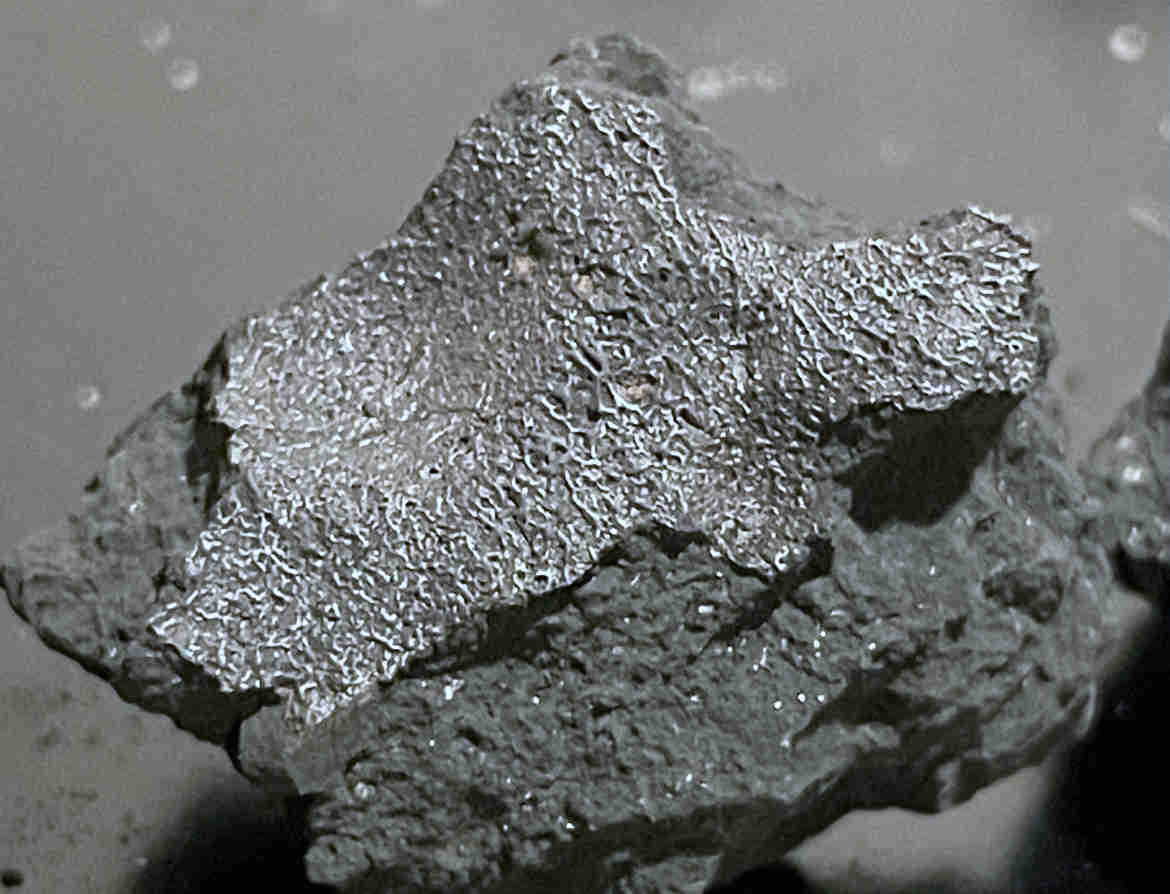
The object broke apart before reaching the ground, producing a long cloud of falling fragments. Only one substantial piece was recovered after more than two pounds of material smashed through a roof in Hillsborough, New Jersey, and scattered black fragments and dust across a bedroom. No injuries were reported in the supplied accounts.
The homeowner used disposable gloves, aluminium foil and glass jars to collect the material almost immediately. That careful handling protected minerals and organic compounds that could otherwise react with moisture or become contaminated. According to the NASA account of the study, scientists were even able to detect fragile sodium-carbonate salts that usually change after exposure to Earth's atmosphere.
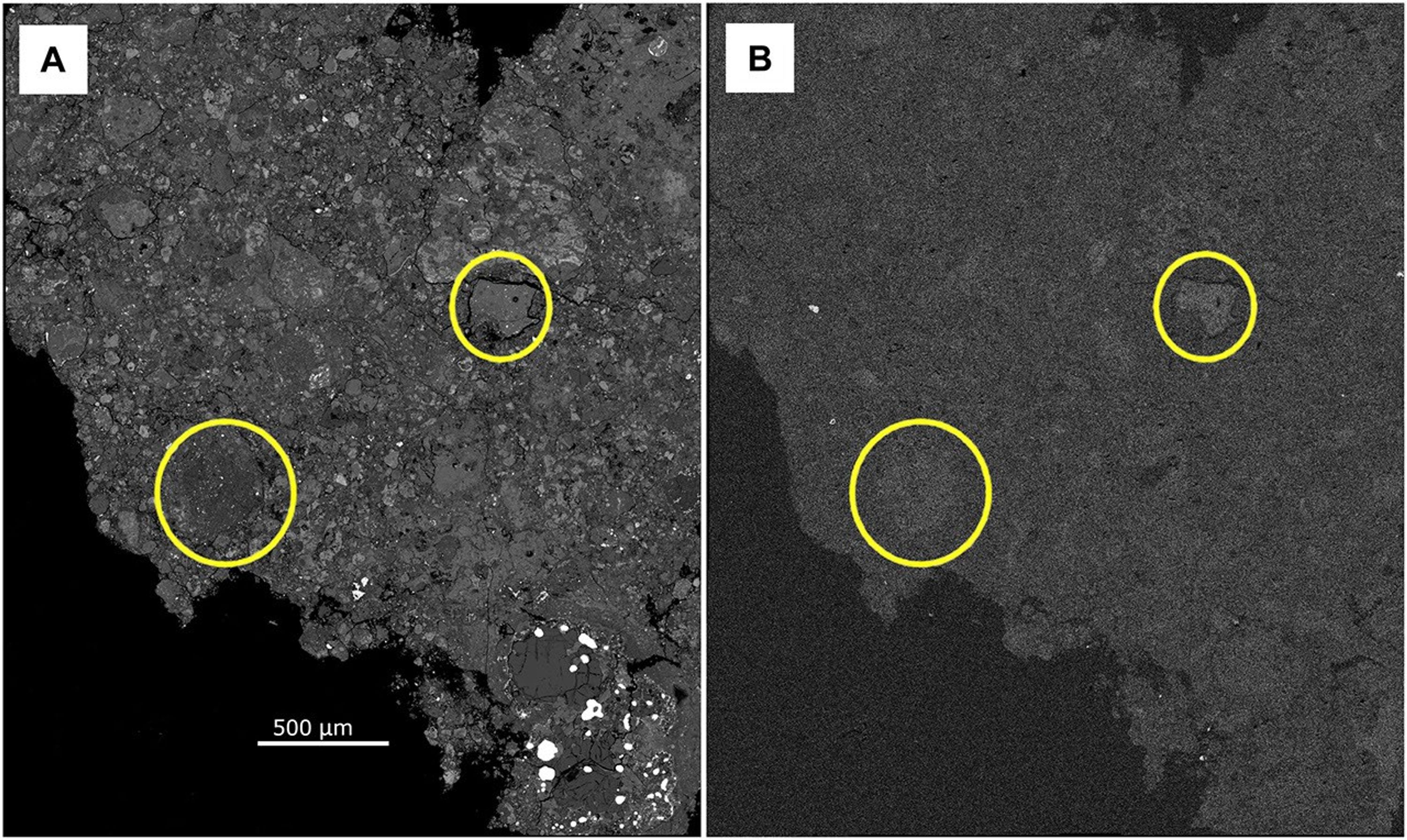
Researchers classified Hillsborough as a CM1/2 carbonaceous chondrite, a rare intermediate type of primitive, carbon-rich meteorite. It is the 22nd observed CM-type fall and only the second witnessed CM1/2 fall, after the Kolang meteorite in Indonesia in 2020. The specimen contained microscopic fractures filled with sodium-rich material left by ancient salty fluids inside its parent asteroid.
- Carbonaceous chondrite
- A primitive meteorite rich in carbon-bearing material and ancient minerals from the early solar system.
- Brine
- Water containing dissolved salts, capable of moving elements through rock and driving chemical reactions.
- CM1/2
- An intermediate classification showing more water alteration than typical CM2 meteorites, but less than CM1 material.
What People Are Saying
A forensic study of the fragments revealed that they contained preserved bits from near the surface of a small primitive asteroid where it experienced concentrated salty fluids—a process not previously known from this type of proto planet world.
NASA meteorite researcher Mike Zolensky said the most salt-rich pieces were comparable to samples returned from the asteroids Ryugu and Bennu, though they were not identical. That comparison matters because Hillsborough provides a naturally delivered sample from a different meteorite class, allowing researchers to test whether brine-driven chemistry was widespread across primitive asteroids.
One of the big surprises for me when we analyzed a small chip of the Hillsborough meteorite was the complexity of amino acids and other organic compounds.
The meteorite contained 1.8% carbon and 0.07% nitrogen by weight, along with soluble organic compounds, amino acids and carboxylic acids. Researchers say the findings support the idea that carbon-rich asteroid fragments could have contributed organic ingredients to the early Earth. They do not amount to evidence that life existed inside the meteorite.
How This Affects You
For Australians, the clearest scientific connection is the Murchison meteorite, a nearly 100-kilogram carbonaceous chondrite that fell in Victoria in 1969. NASA described Murchison as the benchmark for extraterrestrial organic chemistry and said Hillsborough's diversity of amino acids and organic compounds was comparable.

That link gives Australian researchers and science audiences a useful basis for comparison. Murchison remains a major reference sample, while Hillsborough adds evidence from a meteorite altered more extensively by water and carrying unusual salt-rich fragments. Together, such specimens help scientists examine how water, minerals and organic compounds interacted on small bodies before reaching Earth.
Coming Up
Researchers are continuing to identify the salt minerals inside Hillsborough and compare them with material returned from Ryugu and Bennu. Some fragments will be curated at the American Museum of Natural History in New York, preserving the specimen for further study as new analytical techniques become available.
The next stage is expected to refine where the rock originated and how its parent asteroid evolved. NASA researchers reported evidence that it may have come from the Erigone asteroid family in the inner asteroid belt.
At a Glance
- The meteorite struck a Hillsborough home on 16 July 2024.
- It entered the atmosphere at about 14.4 kilometres per second.
- Rapid collection protected fragile salts and organic compounds.
- The rock was classified as a rare CM1/2 carbonaceous chondrite.
- Researchers found ancient brines, amino acids and sodium-rich material.
- Its organic chemistry was compared with Australia's Murchison meteorite.
Frequently Asked Questions
What was found inside the Hillsborough meteorite?
Scientists found sodium-rich salts, evidence of ancient brines, amino acids, carboxylic acids and a broad range of soluble organic compounds.
Why was the meteorite so well preserved?
The homeowner collected the fragments quickly with gloves, aluminium foil and glass jars, limiting exposure to moisture and contamination.
Does the meteorite prove extraterrestrial life exists?
No. It contains organic ingredients associated with prebiotic chemistry, but the supplied research does not report evidence of living organisms.
How is Hillsborough connected to Australia?
NASA compared its complex organic inventory with the Murchison meteorite, which fell in Victoria in 1969 and became a reference point for extraterrestrial organic chemistry.
What will scientists study next?
Teams are identifying the meteorite's salt minerals, comparing them with Ryugu and Bennu samples, and investigating the history of water on its parent asteroid.