Last updated: November 13, 2026, 04:40 UTC
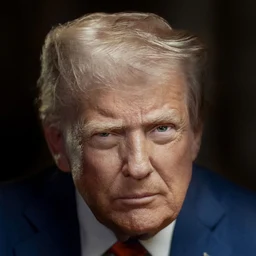
US President Donald Trump has held off on further military strikes against Iran following requests from Gulf allies, while Iranian forces report targeting a US early-warning radar installation in Bahrain on November 13. The developments come amid stalled negotiations, tightening economic pressure and growing concerns about another round of military confrontation. Tehran is warning that continued US sanctions and attacks could trigger retaliation against American military facilities, potentially widening the conflict beyond the immediate region.
What Happened
Trump said he postponed additional attacks on Iran after Gulf countries asked him to exercise restraint. His announcement followed renewed military activity, with Iran's Islamic Revolutionary Guard Corps (IRGC) claiming it had targeted a US early-warning radar installation in Bahrain.
According to Al Jazeera, Tehran described the radar operation as retaliation for an attack on a telecommunications tower in Sirik on Thursday. The competing military actions highlight how quickly incidents involving infrastructure and military installations could trigger further confrontation.
The diplomatic situation is equally strained. Mehdi Mohammadi, an adviser to Iran's chief negotiator, Mohammad Bagher Ghalibaf, said Washington had indicated a timeframe of approximately two weeks before Trump would decide whether to authorise military action. Mohammadi believes the US may still be preparing a limited strike despite Trump's earlier statements about keeping military options available.
Read the latest reporting from Al Jazeera's Iran war live coverage.
The Countries and Players Involved
The United States and Iran remain at the centre of the confrontation, but the interests of Gulf countries and other international powers are increasingly involved.
Trump is balancing pressure on Tehran against requests from regional allies to avoid further attacks. His decision to pause additional strikes suggests that Gulf governments are concerned about the consequences of another military escalation.
On the Iranian side, Ghalibaf's negotiating team is central to discussions over the Strait of Hormuz. Mohammadi has publicly questioned Washington's intentions, particularly regarding sanctions relief and the release of frozen Iranian funds.
Iran's national security secretary, Mohsen Rezaei, has also communicated Tehran's position to Russia, declaring that Iran will not surrender any portion of its highly enriched uranium stockpile. Meanwhile, Mohammad Mokhber, an adviser to Iran's supreme leader, warned European countries against supporting the US blockade.

Why It Happened
The immediate dispute centres on economic pressure, military security and control of the Strait of Hormuz, a major shipping route for international oil supplies.
Washington has increasingly relied on economic restrictions and pressure on Iranian oil exports rather than immediately launching another major military operation. The strategy is intended to increase pressure on Tehran while allowing other Gulf states to continue exporting oil through the strait.
Iran has rejected the US response to its latest proposals concerning the reopening of Hormuz. Mohammadi described Washington's position as deceptive, arguing that the Americans were unwilling to release frozen Iranian funds, remove sanctions or stop the war in Lebanon.
Tehran has also rejected a request from US Vice-President JD Vance for a direct meeting with Iranian negotiators before responding to its conditions for lifting the restrictions around the strait.
Economic pressure is another major concern for Iranian leaders. The Guardian reports that Brent crude was trading at approximately $93 per barrel, while Saudi oil production had returned close to prewar levels of 9.3 million barrels per day. These figures are significant because they suggest that Iran's restrictions on shipping have not prevented other regional producers from maintaining substantial oil supplies.
Iranian officials also fear that prolonged economic difficulties could destabilise the country and encourage renewed domestic protests. Mohammadi has suggested that the leadership may eventually view the existing situation of neither peace nor war as unsustainable.
International Reaction
Gulf allies have reportedly urged Trump to avoid additional strikes, highlighting concerns about the regional consequences of expanding military operations. The president's decision to pause further attacks represents a temporary restraint rather than a confirmed diplomatic breakthrough.
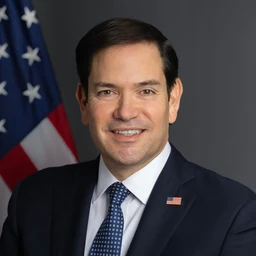
US Secretary of State Marco Rubio has presented economic pressure as a sufficient strategy and described Iran's demands as unrealistic. His position contrasts with Tehran's insistence that sanctions and restrictions must be addressed before negotiations can produce meaningful progress.
European countries have also received a warning from Mokhber, who said participation in the American blockade would be treated as an act of war. Iranian officials have separately threatened to target US military bases in Europe if American aircraft use those installations to launch attacks against Iran.
Political pressure inside the United States is another factor. A Reuters-Ipsos poll cited by The Guardian found that 71% of Americans wanted Congress to pass legislation to end the war in Iran. The results point to substantial domestic opposition to continuing the conflict.
However, the Democratic Party's anticipated control of Congress from January 3 does not automatically provide a solution to the conflict or a plan for reopening the Strait of Hormuz.
What It Means Going Forward
The immediate question is whether Trump's pause will create room for negotiations or simply delay another military decision. Iranian officials continue to prepare for possible US strikes, while Washington maintains economic pressure on Tehran.
For international energy markets, the Strait of Hormuz remains a central concern. The reported Brent price of $93 per barrel provides a useful measure of the market environment described in the reporting. Canadian readers have reason to follow developments because changes in international oil markets can matter to energy-producing economies and consumers, although the supplied reports do not establish a specific impact on Canadian fuel prices.
Military escalation could also expand the geographical scope of the confrontation. Tehran's warnings about American bases in Europe introduce additional security concerns for countries that host US military facilities.
Diplomacy faces several obstacles, including disagreement over sanctions, frozen funds, the blockade and Iran's nuclear stockpile. Until those issues are addressed, the current pause in American strikes cannot be treated as evidence that the conflict is moving towards a settlement.
The next significant developments will depend on Washington's military decisions, Tehran's response to economic pressure and whether regional allies can persuade both sides to pursue negotiations instead of further attacks.
Frequently Asked Questions
Why did Trump pause further strikes against Iran?
Trump said Gulf countries had asked him to hold off on additional military attacks. His announcement followed renewed tensions involving Iran and US military installations in the region.
Did Iran attack a US radar installation in Bahrain?
Iran's Islamic Revolutionary Guard Corps said it targeted a US early-warning radar installation in Bahrain on November 13. The group described the operation as retaliation for an attack on a telecommunications tower in Sirik.
What is Iran demanding from the United States?
Iranian negotiators have sought relief from US sanctions, the release of frozen funds and an end to the war in Lebanon. Tehran has also made demands concerning restrictions on the Strait of Hormuz.
Why is the Strait of Hormuz important in the Iran conflict?
The strait is central to the confrontation because restrictions on shipping affect regional oil exports. The Guardian reported Brent crude at approximately $93 per barrel and Saudi production near 9.3 million barrels per day.
How many Americans want Congress to end the Iran war?
A Reuters-Ipsos poll cited by The Guardian found that 71% of Americans wanted Congress to pass legislation to end the war in Iran. The finding indicates substantial domestic opposition to the continuing conflict.