Last updated: November 21, 2026
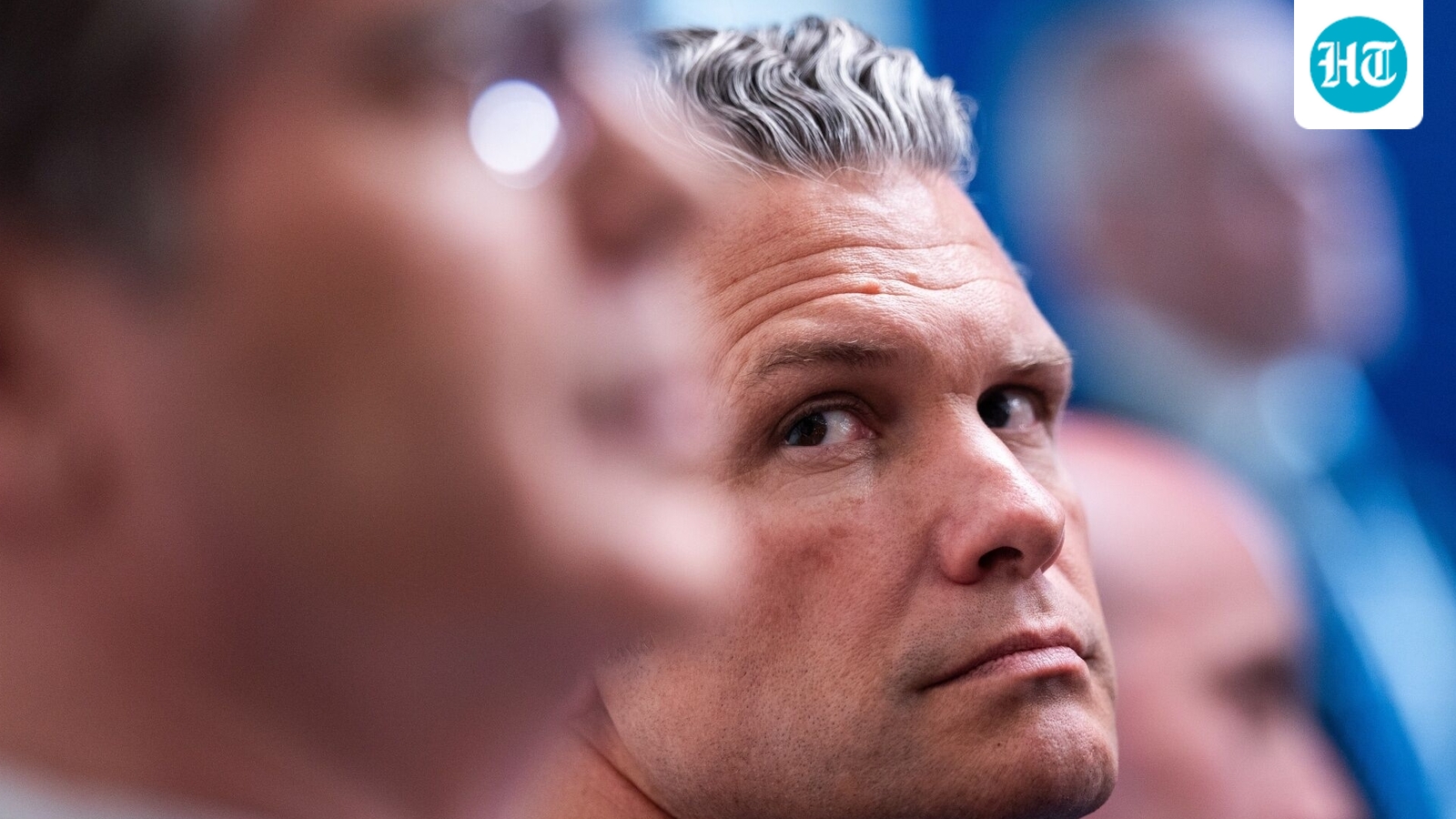
U.S. Defense Secretary Pete Hegseth has reportedly issued a classified Pentagon memo that curtails the longstanding defence partnership between the United States and Canada, according to reporting first published on Friday, November 20, 2026. The directive, issued last week, introduces new limits on bilateral military ties at a moment when relations between Ottawa and Washington are already strained. For Canadians, the move raises immediate questions about joint continental security, shared intelligence operations, and the future of binational defence cooperation.
What Triggered the Crisis
The controversy erupted after The Washington Post reported on Friday that Hegseth signed a secret Pentagon directive last week scaling back aspects of the U.S.-Canada defence relationship. News of the classified memorandum was quickly picked up by Reuters and other international outlets, bringing internal Pentagon policy shifts into public view.
The directive lands amid heightened diplomatic friction between the two neighbours. That tension has been fuelled in part by U.S. President Donald Trump's repeated public rhetoric about annexing Canada as America's 51st state, alongside ongoing bilateral trade disputes.
The Key Facts
While the full text of the memorandum remains secret, multiple outlets have confirmed core details surrounding its existence and timing:
- Timing of the directive: Hegseth issued the classified memo during the week prior to November 20, 2026.
- Scope of the order: According to reporting based on multiple people familiar with the document, the memo places new restrictions on the existing defence partnership between the United States and Canada.
- Broader diplomatic backdrop: The military restrictions coincide with broader bilateral friction, including ongoing U.S.-Canada trade disputes over tariffs and upcoming continental trade negotiations.
For decades, Canadian and American armed forces have operated with deep structural integration—most notably through the North American Aerospace Defense Command (NORAD) and shared NATO commitments. Even targeted administrative or operational restrictions inside the Pentagon can ripple through joint training exercises, procurement coordination, and intelligence-sharing channels that Canada relies on for continental defence.
Positions and Reactions
Reaction from individuals briefed on the Pentagon directive underscored how jarring the move appears to traditional allies. According to Hindustan Times, Washington Post journalist Dan Lamothe noted on X that one source familiar with the document warned the memo is sure to be viewed as a slap in the face to Canadians.
In Ottawa and Washington, formal public pushback from defence ministries has been guarded as officials assess the operational fallout of a document not meant for public release. For Canadian policymakers, any unilateral narrowing of military cooperation tests assumptions that have underpinned national security planning since the Second World War.
What Is Still Unclear
Because the memorandum is classified, significant operational details have not been publicly confirmed:
- Specific programs affected: Neither the Pentagon nor the Canadian Department of National Defence has publicly itemized which joint commands, intelligence channels, or training exercises face restrictions.
- Duration and triggers: Officials have not disclosed whether the restrictions are temporary bargaining leverage tied to broader political disputes or a permanent shift in U.S. defence posture.
- Official rationale: The Pentagon has not released an unclassified explanation detailing the strategic justification behind Hegseth's order.
What Could Happen Next
In the coming days, Canadian defence and foreign affairs officials are expected to seek direct clarification from their counterparts in Washington regarding how the memo affects day-to-day military coordination. Parliamentary committees in Ottawa may also press government ministers on whether joint operations, border security coordination, or procurement agreements face immediate disruption.
If the restrictions remain in place, Ottawa could face mounting domestic pressure to accelerate defence diversification and reassess how heavily Canadian security infrastructure depends on uninterrupted Pentagon cooperation.
Frequently Asked Questions
What did Pete Hegseth's memo do to U.S.-Canada military ties?
According to reporting by The Washington Post and Reuters, U.S. Defense Secretary Pete Hegseth issued a classified Pentagon memo that places new restrictions on the existing defence partnership between the United States and Canada.
When was the Pentagon memo issued?
The classified directive was issued during the second week of November 2026 and became public through media reports on Friday, November 20, 2026.
Why are tensions high between the U.S. and Canada right now?
The memo comes amid broader friction between Washington and Ottawa, driven by U.S. President Donald Trump's repeated remarks about annexing Canada as a 51st U.S. state as well as unresolved bilateral tariff and trade disputes.
How does this affect Canadians?
Canada and the United States share deeply integrated continental defence systems, including airspace monitoring and joint military training. Restrictions on defence cooperation could complicate bilateral security coordination and prompt Ottawa to re-evaluate its defence reliance on Washington.