Last updated: November 20, 2026, 3:30 a.m. UTC
Canada's trade negotiations with Washington have reached another critical moment, with auto tariffs still standing between Ottawa and a deal. Canada-U.S. Trade Minister Dominic LeBlanc says an interim agreement with the Trump administration could open the door to formal discussions on the Canada-U.S.-Mexico Agreement (CUSMA). But the government is preparing Canadians for a difficult compromise: some American tariffs are likely to survive. Ottawa hopes to secure relief by the end of the year, although officials say reaching an acceptable agreement matters more than meeting that target.

What Triggered the Crisis
The immediate dispute centres on American tariffs affecting Canadian automobiles, steel, aluminum, lumber and other products. Negotiations collapsed in August, with automobile duties emerging as a major obstacle.
According to Global News reporting on the federal advisory committee, Washington previously offered to reduce its 25 per cent automobile tariff to 15 per cent, without an exemption for vehicles meeting CUSMA requirements.
Canadian labour representatives, automakers and automotive parts manufacturers warned that even the reduced rate would seriously damage domestic production.
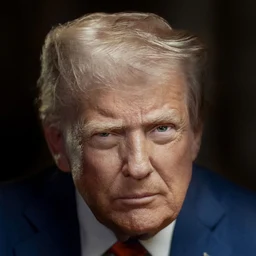
Following the collapse, the United States imposed additional Section 338 tariffs on Canadian products. President Donald Trump subsequently threatened higher duties on Canadian automobiles, parts and steel beginning January 1.
The Key Facts
LeBlanc told CBC's Power & Politics that an interim agreement could enable the formal CUSMA review process.
The proposed arrangement would address two categories of tariffs:
- Section 232: Duties affecting steel, aluminum, automobiles and lumber. Ottawa wants reductions but acknowledges some tariffs may remain.
- Section 338: Sweeping duties reported by Global News at 50 per cent on more than $20 billion in Canadian products. Ottawa is seeking their removal.
The distinction matters. Reducing industry-specific tariffs could improve Canadian manufacturers' competitive position, while removing broader duties would ease pressure on businesses importing and exporting affected goods.
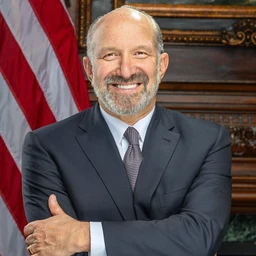
Canada's chief trade negotiator, Janice Charette, told federal advisers that multiple issues remain unresolved. LeBlanc and Charette have also maintained regular contact with U.S. Commerce Secretary Howard Lutnick and trade representative Jamieson Greer.
The government is aiming for an interim arrangement before year-end, but LeBlanc has acknowledged that negotiations could extend into January or February.
Positions and Reactions
LeBlanc is emphasizing practical tariff reductions rather than promising complete elimination. His position reflects the government's concern that Canadian producers must remain competitive even if Washington refuses to remove every trade barrier.
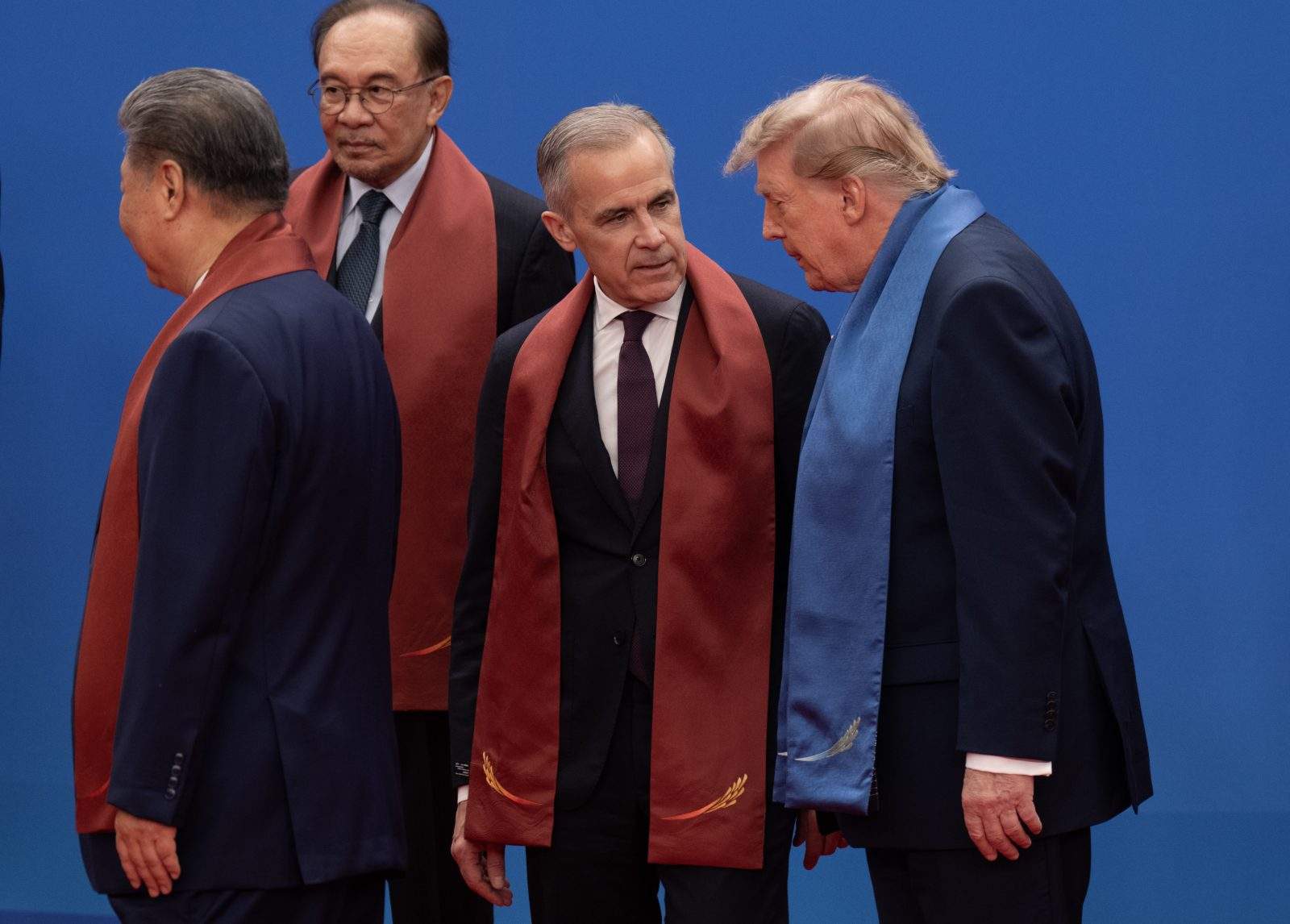
Prime Minister Mark Carney has meanwhile continued pursuing international trade relationships. Following his meeting with Trump at the APEC summit in China, Carney acknowledged progress but said negotiations had not reached the stage of drafting an agreement.
His willingness to pursue other markets was also evident in Canada's recent trade arrangements with the Philippines, the ASEAN bloc and China. That approach forms part of the broader Canadian trade diversification strategy.
Trump adviser Peter Navarro sharply criticized Ottawa's trade approach and its growing commercial relationship with China.
Within Canada's advisory committee, opinions differ over timing. Valérie Beaudoin cautioned that a year-end agreement should not be treated as a firm deadline. Automotive Parts Manufacturers' Association president Flavio Volpe questioned how the incoming Democratic majorities in Congress might influence Washington's bargaining position.
Jean Simard, president of the Aluminium Association of Canada, described the approaching political transition in Washington as an opportunity to negotiate.
What Is Still Unclear
No finalized interim agreement has been announced, and the precise tariff reductions Washington might accept have not been disclosed.
Three questions remain unresolved: whether automobile tariffs can fall below the previously discussed 15 per cent rate, whether Section 338 duties will be removed entirely, and whether an interim agreement will be reached before the proposed year-end target.
There is also uncertainty about the influence of the incoming U.S. Congress. Democratic lawmakers have criticized tariffs on Canadian goods, but LeBlanc has cautioned against assuming congressional control will automatically change presidential trade policy.
What Could Happen Next
Ottawa's preferred sequence begins with tariff relief, followed by deeper cooperation with Washington on areas including defence and energy, and then formal negotiations over the continental free trade agreement.
That sequencing could provide Canadian businesses with relief before the more complicated CUSMA review begins. However, a deal that leaves substantial automobile tariffs intact could still face opposition from manufacturers and workers.
The next major developments will be any confirmed tariff concessions, an announcement of an interim agreement, and the start of formal CUSMA discussions.
For Canadian companies, the difference between a temporary reduction and lasting tariff certainty is substantial. Investment and production decisions depend not simply on today's tariff rate but on whether businesses can reasonably anticipate their future costs.
Frequently Asked Questions
What is Dominic LeBlanc negotiating with the United States?
LeBlanc is seeking an interim trade arrangement that reduces or removes American tariffs on Canadian goods and potentially enables formal CUSMA review negotiations.
Why are Canadian automobile tariffs a major obstacle?
The United States imposed a 25 per cent tariff, and Canadian industry representatives warned that even a proposed reduction to 15 per cent would seriously damage domestic automotive production.
When could Canada reach a U.S. trade agreement?
Ottawa hopes to reach an interim agreement by the end of 2026, but LeBlanc says discussions could continue into January or February 2027.
Will all American tariffs on Canadian goods disappear?
No complete elimination has been promised. LeBlanc expects some Section 232 tariffs to remain, although Canada is seeking the removal of Section 338 duties.
How could the negotiations affect Canadian workers and businesses?
Lower tariffs could reduce costs for affected exporters and manufacturers. Continued duties, particularly on automobiles, would maintain pressure on Canadian production and employment.