Last updated: November 21, 2026
Why Is JD Vance Losing Ground in the 2028 Republican Primary Race?
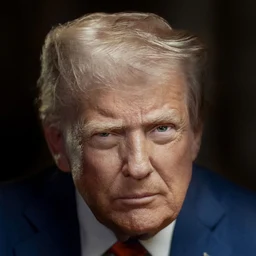
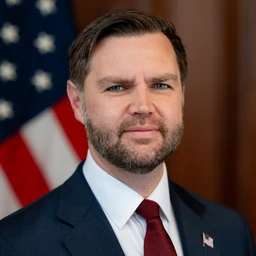
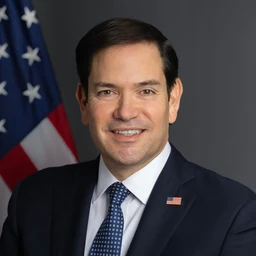
Standing beside President Donald Trump and Secretary of State Marco Rubio during a Friday press conference, Vice President JD Vance carefully sidestepped a direct question on whether the U.S. strikes on Iran were worth the political fallout. For nearly two years, Vance stood as the clear heir apparent to the MAGA movement. Following the November 3 midterms, however, sharp public disagreements over the Iran conflict and immigration policy have strained his standing with Trump and eroded his early polling lead ahead of the 2028 Republican presidential primary.

The Result
The clearest measure of Vance's political slide comes from a national survey released Thursday by Emerson College polling tracking prospective 2028 Republican primary voters. Vance's support dropped by 34 percentage points over the past year, falling from 54 percent a year ago to just 20 percent.
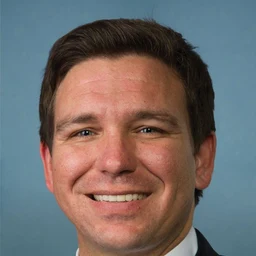
In the same survey, Secretary of State Marco Rubio surged from 6 percent to 36 percent, moving past Vance into first place among tested contenders. Other potential challengers, including outgoing Florida Governor Ron DeSantis and Texas Senator Ted Cruz, are also eyeing the race from outside the administration.
How the Vote Unfolded
Rubio's rise marks a dramatic reversal from last year, when he publicly stated that if Vance ran for president, he would be the nominee and Rubio would be among the first to endorse him. Now, according to reporting cited by Vox, Rubio has signalled greater openness to mounting his own campaign.
The shift reflects deeper unrest inside the Republican coalition after the party's midterm losses. While figures outside the White House can distance themselves from unpopular administration decisions, Vance remains tied to the West Wing's record at a moment when GOP voters are reassessing who can win a general election.
Who Won and Why
Vance's slide stems largely from a two-front policy clash with Trump that emerged immediately after the midterm elections. The day after voters went to the polls, Vance published a lengthy social media post blaming the Iran war for the Republican Party's electoral losses, and he later declined to say whether he would have ordered the strikes himself, as reported by Reuters.
At the same time, Vance has taken a hardline stance against potential immigration compromises, calling bipartisan reform proposals that would allow undocumented immigrants to remain in the United States morally and electorally disastrous. That posture puts him at odds with Trump, who has shown intermittent interest in bipartisan immigration talks and refuses to concede that ordering the Iran strikes was a mistake.
The president said he would do it again. My view is that my goal in my job is to support the president of the United States.
According to The New York Times, Trump has grown increasingly frustrated with Vance's public critiques of the Iran war, leaving the vice president caught between defending his own populist instincts and maintaining the president's backing.
- MAGA Movement
- The populist conservative political movement aligned with President Donald Trump's platform and leadership.
- Primary Election
- An intra-party nominating contest in which voters select their party's candidate for the general presidential election.
What It Means for Policy and Power
The friction at the top of the U.S. executive branch carries immediate consequences for Washington's foreign and domestic agenda. With Trump defending the Iran campaign and Rubio serving as his top diplomat, public divisions between the president and vice president complicate messaging on Middle East security and congressional negotiations.
For Canadian policymakers and businesses watching Washington, instability inside the Trump administration's inner circle adds uncertainty to broader North American diplomatic, security, and trade priorities. A weakened vice president also reduces Vance's leverage in shaping administration policy over the remaining two years of the term.
What Happens Next
Vance faces a difficult strategic choice more than a year before the first 2028 primary ballots are cast. Aligning tightly with Trump could help him recover MAGA base support if he secures an endorsement, yet breaking away risks alienating the party's core voters without guaranteeing broader appeal.
Whether Trump formally endorses a successor or allows a contested primary field to develop among Rubio, Vance, DeSantis, and Cruz remains undecided. In the meantime, every joint appearance and policy statement from the White House will test whether Vance can repair his standing with the president.
Frequently Asked Questions
Why has JD Vance's 2028 polling dropped?
An Emerson College poll released in November 2026 showed JD Vance falling from 54 percent to 20 percent amid tensions with President Donald Trump over the Iran war and immigration policy following the 2026 midterm elections.
Who is currently leading in 2028 Republican primary polling?
Secretary of State Marco Rubio led the November 2026 Emerson College survey with 36 percent support, up from 6 percent a year earlier, ahead of JD Vance at 20 percent.
What did JD Vance say about the Iran strikes?
Vance blamed the Iran war for Republican midterm losses in a post-election message and declined during a Friday press conference to say whether he would have ordered the strikes himself, stating his job is to support the president.
Which other Republicans are considering a 2028 presidential run?
Alongside JD Vance and Marco Rubio, outgoing Florida Governor Ron DeSantis and Texas Senator Ted Cruz are reportedly considering campaigns for the 2028 Republican nomination.