Last updated: November 20, 2026
What’s Behind the Massive Russian Strikes and the Push for a Ukraine Peace Deal?
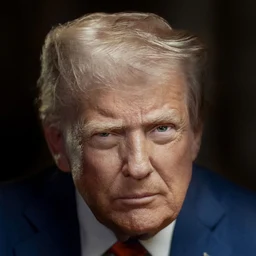
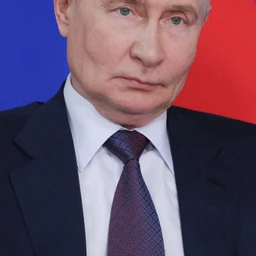
Explosions echoed across Kyiv overnight as residents took shelter in the metro while Russian missiles struck three bridges crossing the Dnipro River. The barrage—involving more than 400 attack drones and over 110 missiles—killed at least eight people across Ukraine and sent projectiles into southeastern Polish airspace. The assault unfolded just hours after U.S. President Donald Trump urged European leaders to wind down wartime spending and pursue a settlement following his summit with Russian President Vladimir Putin in China.

What Is Being Proposed
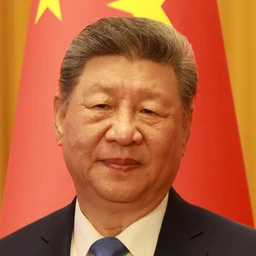
At the centre of the diplomatic debate is a U.S.-led push to bring the nearly five-year war to an end through direct negotiations involving Washington, Moscow, Kyiv, and European allies. Following meetings in Shenzhen, China, with Putin and Chinese President Xi Jinping, Trump called into a Coalition of the Willing gathering in Berlin to argue that ending the conflict would save billions of dollars and prevent further loss of life.
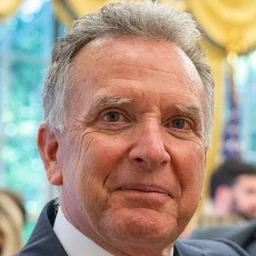
According to Trump’s son-in-law Jared Kushner, who attended the Berlin talks alongside U.S. envoy Steve Witkoff, the proposed framework would bring Europe fully to the negotiating table alongside Ukraine, Russia, and the United States. Kushner also stated that Putin is now prepared to accept security guarantees for Ukraine modeled on NATO’s mutual-defense principle.
- Article 5
- NATO’s core mutual-defense pledge, which commits member states to defend one another if one ally is attacked.
- Coalition of the Willing
- A grouping of European and allied governments coordinating financial, military, and diplomatic backing for Ukraine.
What It Would Change
If a settlement moves forward on the terms discussed in Berlin, Western governments would shift billions of dollars away from active weapons deliveries toward domestic defense, economic priorities, and Ukrainian reconstruction. For Ukraine, the proposal hinges on establishing binding postwar security guarantees rather than continuing open-ended battlefield aid.
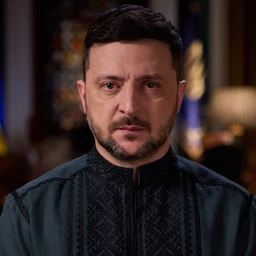
On the ground, however, immediate conditions remain volatile. Overnight strikes hit electricity infrastructure nationwide, triggered widespread blackouts, and damaged state railway lines operated by Ukrzaliznytsia. Ukrainian President Volodymyr Zelenskyy reported that Russian forces fired missiles—including 27 ballistic missiles and cluster warheads—in staggered waves spaced 20 to 30 minutes apart, delaying emergency crews trying to extinguish fires and clear rubble.

Meanwhile, spillover across NATO borders is already reshaping regional security policy. Estonian authorities announced they will close all five border crossings with Russia for at least six months starting Dec. 1 on security grounds, citing suspected Russian involvement in two arson attacks at domestic defence companies earlier this year.
Who Supports and Who Opposes It
The diplomatic push has exposed sharp differences over how much leverage Ukraine needs before entering formal talks and how much trust to place in Moscow:
- The White House: Trump framed peace as an urgent financial and humanitarian necessity, insisting Putin is serious about negotiating. Witkoff said Trump instructed his envoys to do everything possible to support a peaceful resolution.
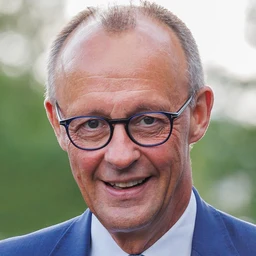
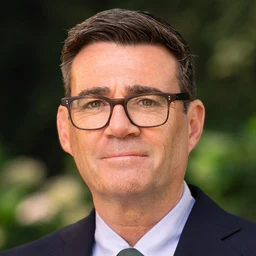
- European Allies: German Chancellor Friedrich Merz pushed back against the idea that military aid prolongs the conflict, saying Europe funds Ukrainian defense to negotiate from a position of strength. U.K. Prime Minister Andy Burnham said Trump focused on the horrific human toll during the call rather than taking an overly rosy view of Moscow.
- Poland: Prime Minister Donald Tusk questioned Trump’s confidence in Putin’s intentions and condemned the overnight incursion of two Russian missiles—including an Kh-101—and a suspected jet-powered drone into Polish territory as an intentional provocation rather than an accident.
- Ukraine: Zelenskyy questioned whether all parties define NATO-style security guarantees the same way, asking whether partner forces—including American troops—would actually be stationed on Ukrainian soil.
We are not providing this strong support to prolong the war. We want to end this war.
Where Things Stand
Diplomatic talks and military strikes are advancing simultaneously without a breakthrough on core territorial disputes. Russian and Ukrainian delegations held U.S.-brokered discussions in Abu Dhabi last week, but both sides remain deadlocked over territory, with Russia still occupying roughly one-fifth of Ukrainian land.
Military tit-for-tat strikes have also intensified ahead of potential talks. Putin vowed severe retaliation after Ukrainian forces damaged the 19-kilometre Kerch Bridge linking occupied Crimea to mainland Russia earlier this week. On Friday, Ukraine’s general staff also reported hitting the Kaleikino oil pumping station on the Druzhba pipeline in Russia’s Tatarstan region the previous day, damaging three reservoirs. In Poland, Defence Minister Wladyslaw Kosiniak-Kamysz confirmed scheduled allied military exercises would proceed on Friday while Warsaw requests additional NATO support to secure its eastern flank. Readers can review full reporting on the overnight strikes and Polish airspace incursion as well as Trump’s diplomatic call with European leaders.
What Happens Next
European leaders are preparing to join the United States, Ukraine, and Russia at the next round of formal peace negotiations, though the exact date and venue for those four-party talks have not yet been disclosed. On the security front, Estonia’s six-month border closure with Russia takes effect on Dec. 1, while NATO allies weigh Poland’s request for reinforced air and border defenses along the eastern flank.
Frequently Asked Questions
What happened in Ukraine and Poland overnight?
Russia launched over 400 drones and more than 110 missiles at Ukraine, striking three bridges in Kyiv, damaging energy and rail infrastructure, and killing eight people. Two Russian missiles and a suspected drone also entered southeastern Polish airspace.
What did Donald Trump tell European leaders after meeting Vladimir Putin?
Speaking from Air Force One after meeting Putin and Xi Jinping in China, Trump told allies in Berlin that ending the war would save lives and billions of dollars, and he expressed optimism that Putin is ready to negotiate.
Why is Poland calling the airspace incident a provocation?
Polish Prime Minister Donald Tusk said assessments by Warsaw and NATO partners indicate the objects came from Russia and did not enter Polish territory by accident, especially as Poland prepared for allied military exercises.
What security guarantees are being discussed for Ukraine?
U.S. envoy Jared Kushner said Putin is open to security guarantees for Ukraine modeled on NATO’s Article 5 mutual-defense pledge, though Ukrainian President Volodymyr Zelenskyy questioned whether that would include foreign troops on Ukrainian soil.
What action is Estonia taking along its border with Russia?
Estonia announced it will close all five of its border crossings with Russia for at least six months beginning Dec. 1, citing security concerns following suspected arson attacks at Estonian defence firms.