
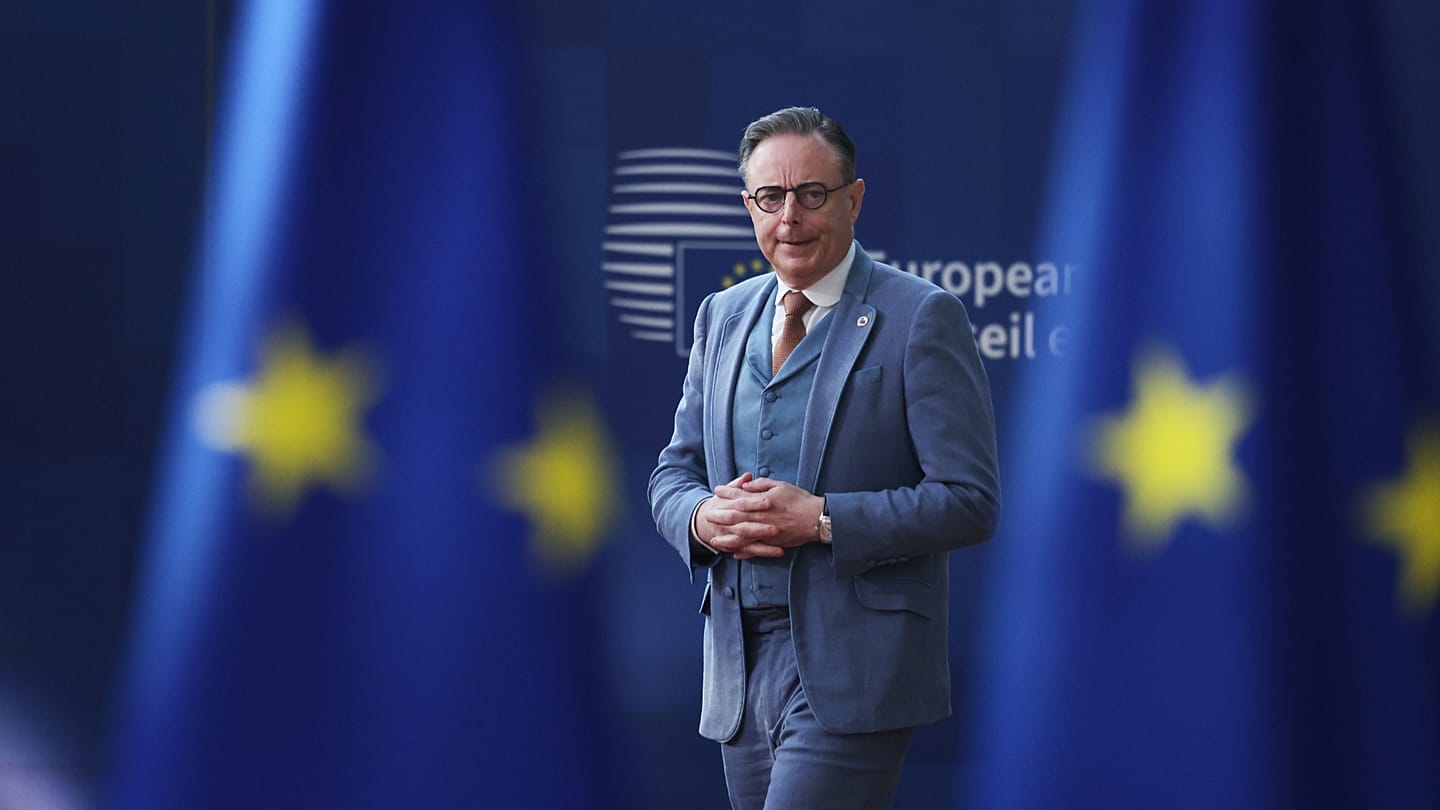
Belgium's political crisis could add further uncertainty to European financial markets and complicate cooperation among EU governments, with implications for decisions affecting the continent, including support for Ukraine. Prime Minister Bart De Wever offered his resignation to King Philippe on 2 November after five governing parties failed to agree on the country's 2027 budget. However, the king has not accepted the resignation and has instead called for further negotiations, leaving the government facing a crucial week.
What Triggered the Crisis
The immediate trigger was the collapse of overnight negotiations over Belgium's federal budget for 2027. De Wever's five-party coalition could not agree on how to raise revenue and reduce public spending, despite weeks of discussions.
The government is seeking to identify approximately €10 billion in savings and additional revenue by 2029. The measures are intended to bring the country's public finances closer to European Union spending requirements, but the coalition remains divided over who should bear the cost.
The dispute reflects a fundamental political disagreement. De Wever's conservative New Flemish Alliance (N-VA) and the liberal Reformist Movement (MR) favour spending reductions. Their coalition partners, including socialist Vooruit, Christian Democrat CD&V and centrist Les Engagés, want a greater contribution from higher-income households through taxation.
These competing approaches have made agreement increasingly difficult. The failure of the latest negotiations prompted De Wever to take his government's position to the royal palace rather than announce another compromise.
The Key Facts
King Philippe met De Wever at the royal palace on Monday morning. Their meeting lasted approximately an hour and a half. The prime minister left without making a public statement.
Following the meeting, the palace confirmed that the king was considering his decision and would consult the leaders of the coalition parties before meeting De Wever again on 6 November 2026. The king also expressed concern that Belgium could not afford a prolonged political crisis and urged the parties to prioritise the general interest and compromise.

The scale of Belgium's financial challenge helps explain the urgency. Euronews reported that the country's budget deficit reached 5% of GDP last year, compared with the European Union's permitted maximum of 3%. National debt stands above €735 billion, exceeding 110% of GDP against a European reference level of 60%.
Kyiv Post reported that the European Commission forecasts Belgium's deficit will reach 5.2% of GDP in 2026. The government is seeking savings through spending reductions, including in healthcare, alongside taxation changes.
Financial markets have already reacted to the political uncertainty. Euronews reported an increase in Belgian government bond interest rates, meaning the country faces higher borrowing costs. Action Forex also reported that Belgium's 10-year OLO swap spread reached 100 basis points, compared with 94 at the previous Friday's close.
Positions and Reactions
The coalition's disagreements extend beyond the immediate figures. Socialist and centrist parties want between €1 billion and €1.5 billion of the proposed adjustment to come from higher-income taxation. Conservative partners favour tighter control of public expenditure.
Deputy Prime Minister David Clarinval blamed socialist Vooruit for the breakdown, arguing that the party had maintained its position on higher taxes. Foreign Minister Maxime Prévot also acknowledged the extent of the disagreement, telling Belgian media that there were too many sticking points to list easily.

Opposition party Groen has also criticised the prime minister's handling of the negotiations. Matti Vandemaele argued that De Wever had failed to bring the government together and accused him of allowing political standstill.
The dispute has wider European implications. De Wever has previously opposed using frozen Russian central bank assets held at Brussels-based Euroclear to finance Ukraine. Belgium's concerns included potential lawsuits, Russian retaliation and financial liabilities. The disagreement contributed to the failure of EU leaders to agree on that proposal. Instead, they agreed in December 2025 to provide Ukraine with a €90 billion loan through joint EU borrowing.
Belgium's domestic difficulties are also unfolding amid trade union opposition to the government's austerity agenda. Kyiv Post reported demonstrations and strikes involving tens of thousands of people, highlighting the social pressures surrounding proposed spending cuts.
What Is Still Unclear
The most immediate unanswered question is whether King Philippe will accept De Wever's resignation. His decision has been deferred while he consults coalition leaders, and the palace has not announced a final outcome.
It is also unclear whether the five parties can agree on a revised budget before the prime minister's next meeting with the king. The precise combination of spending reductions and tax increases remains disputed.
The financial consequences of the impasse are another concern. Higher government borrowing costs have been reported, but the available information does not establish how long the increase will last or how much additional expense Belgium will ultimately face.
What Could Happen Next
The next significant moment is the king's planned meeting with De Wever on Friday, 6 November. Before then, King Philippe is expected to consult the leaders of the governing coalition parties in an attempt to secure a compromise.
If the parties reach an agreement, De Wever could potentially continue leading the government and resume work on the budget. However, if the king accepts his resignation, Euronews reports that new elections will be called.
There is also a recent precedent for prolonged negotiations. In November 2025, De Wever approached the king following another unsuccessful attempt to agree on €10 billion in savings. On that occasion, he requested an extension rather than resigning, receiving an additional 50 days to reach an agreement.
For European governments, the outcome matters beyond Belgium's domestic politics. The country's debt position, its role in European financial infrastructure and its involvement in decisions concerning Ukraine give the crisis a wider significance. For readers in Britain, the immediate story is another reminder of the political and economic pressures facing European governments as they attempt to control public borrowing while maintaining public services.
Frequently Asked Questions
Why has Belgium's prime minister offered his resignation?
Bart De Wever offered his resignation after his five-party coalition failed to reach an agreement on the 2027 federal budget. The main disagreement concerns whether financial adjustments should rely more heavily on spending cuts or higher taxes on wealthier households.
Has King Philippe accepted Bart De Wever's resignation?
No. King Philippe has deferred his decision and is consulting the leaders of the governing coalition parties before meeting De Wever again on 6 November 2026.
How much does Belgium need to save?
The government is seeking approximately €10 billion in spending cuts and additional revenue by 2029 to address its budget deficit and public debt.
Will Belgium hold new elections?
New elections will be called if King Philippe accepts De Wever's resignation, according to Euronews. The king has not yet made that decision.
Why does Belgium's political crisis matter to the European Union?
Belgium faces significant public debt and deficit pressures, while also playing an important role in European financial infrastructure through Euroclear. Its political position has also affected discussions about using frozen Russian assets to finance Ukraine.