Last updated: 4 November 2026, 10:18 GMT
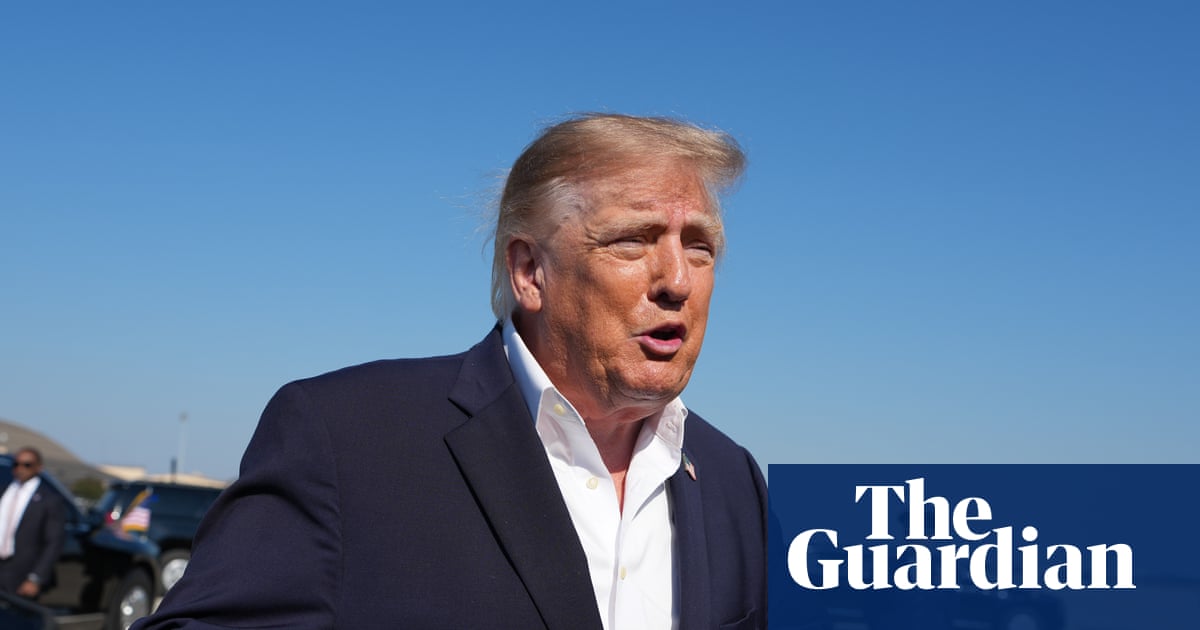
As disappointing election results emerged on Tuesday night, Donald Trump turned his anger towards one of his closest media allies. The US president publicly accused Fox News of contributing to Republican losses, criticising its polling, guest choices and coverage of Democratic candidates. Yet within minutes of attacking the network, he was speaking directly to its presenters. The confrontation has exposed growing tensions between Trump, conservative media figures and a Republican Party facing a difficult electoral reckoning.
What Triggered the Crisis
The immediate trigger was the Republican Party's poor performance in the 2026 US midterm elections. As results came in, Trump began criticising Fox News on Truth Social, accusing the conservative broadcaster of giving too much airtime to Democratic politicians and failing to support Republican candidates.
His complaints were not entirely new. Before election day, Trump had repeatedly criticised Fox for interviewing Democratic candidates, including Abdul El-Sayed, the Democratic Senate nominee in Michigan. He also objected to the network's decision to give attention to political opponents rather than broadcasting more of his campaign rallies.
However, the election results gave those complaints a new political dimension. Rather than focusing exclusively on Republican candidates and campaign decisions, Trump suggested that the broadcaster had helped create the conditions for the party's defeat.
In one Truth Social post shortly before midnight Eastern time, he accused Fox of bearing responsibility for the losses because it had repeatedly featured Democratic opponents. The accusation placed the network directly in the firing line as Republican supporters began assessing what had gone wrong.
The Key Facts
Several developments illustrate the scale of the confrontation:
- Republican electoral losses: The party suffered setbacks more extensive than many political commentators had anticipated, with Democrats projected to capture the House of Representatives.
- Fox News criticism: Trump attacked the broadcaster's polling operation, guest bookings and coverage of Democratic candidates.
- Ratings dispute: Trump claimed Fox's ratings had fallen by 27 per cent, blaming the decline on coverage he considered hostile to Republicans.
- Approval ratings: A Fox News poll earlier in November put Trump's approval rating at a record-low 36 per cent.
- Direct contact: Despite his public criticism, Trump called Fox News anchors during election night and congratulated Democrats on their results.

The exchange with Fox anchor Bret Baier was particularly revealing. Trump criticised the network's polling during their conversation, but Baier defended the research, pointing out that the election results were broadly consistent with the projections published by Fox's polling operation.
Trump also appeared to soften his position during the telephone interview, congratulating Democrats and expressing surprise at certain outcomes. This contrast between his social media attacks and his television appearance highlighted the difficulty of maintaining a public confrontation with a broadcaster that remains central to his political communications.
Positions and Reactions
Trump's criticism has been accompanied by a wider debate within conservative media about the reasons behind the Republican defeat.
Fox presenter Sean Hannity acknowledged that the war in Iran could have influenced the election. When Baier asked whether the result might have been different without US involvement in the conflict, Hannity agreed that the outcome could have changed, although he subsequently defended Trump's decision.
Laura Ingraham also identified the Iran conflict as a major political difficulty, describing it as a particularly challenging decision for the president. Her comments reflected concerns that foreign policy and public dissatisfaction with war had become significant electoral issues.
Other conservative voices focused on the broader weaknesses of the Republican campaign. Radio host Buck Sexton pointed to poor messaging, unsuitable candidates, high prices and the consequences of the Iran war. His criticism suggested that the party needed to examine its own decisions rather than simply blaming media coverage.
Meanwhile, Trump's attacks extended to individual Fox personalities. He singled out Jessica Tarlov, the network's liberal-leaning co-host of The Five, criticising her appearance during election coverage. Tarlov responded on X, saying that the president should become better at dealing with reality.

Not everyone in Trump's media circle has been willing to criticise him directly. Some commentators have questioned individual policies while avoiding placing responsibility for the electoral losses squarely on the president.
That hesitation reflects Fox's complicated position. The network and Trump share a substantial political audience, but their interests are not always identical. Fox needs to maintain its credibility as a broadcaster, while Trump expects favourable coverage from a platform that has helped communicate his political message.
What Is Still Unclear
Several questions remain unanswered following election night.
First, the precise electoral consequences across both chambers of Congress require careful distinction. Democratic gains and projections have established a serious setback for Republicans, but the available reports do not provide a complete final breakdown of every contested race.
It is also unclear whether Trump's criticism will lead to a sustained campaign against Fox News or remain another episode in their longstanding disagreements. He has attacked the broadcaster previously, including after its decision to call Arizona for Joe Biden during the 2020 presidential election.
Another unresolved issue is whether Republican figures will become more willing to challenge Trump's political decisions openly. Some commentators have already identified the Iran conflict and the cost of living as problems, but their willingness to attribute the wider defeat directly to the president remains limited.
Fox has also not been shown to have caused the Republican losses. Trump's accusations represent his political response to the results, not established evidence that the network's editorial decisions determined voting behaviour.
What Could Happen Next
The immediate challenge for Republicans is understanding why their candidates performed so poorly and how the party should respond. Democratic control of the House would give the opposition greater influence over congressional proceedings and create a more difficult political environment for Trump's administration.
For Fox News, the dispute presents a delicate balancing act. The network remains an important destination for conservative viewers, but its polling operation and willingness to feature Democratic voices are central to its identity as a news broadcaster. Abandoning those practices simply to satisfy political pressure could create a different set of problems.
There are also signs that parts of the conservative media establishment are considering the political landscape beyond Trump's current presidency. Reporting has pointed to Rupert and Lachlan Murdoch looking towards a possible post-Trump era and the 2028 presidential election.
Trump, meanwhile, has suggested that he intends to examine the reasons candidates succeeded or failed, even joking that he might become a political pundit. He also told The New York Times that he was willing to accept the election results and work with Democrats.
The central issue is therefore bigger than a disagreement over television coverage. The Republican Party must decide whether its electoral problems stem primarily from media messaging, individual campaign decisions or the policies pursued by its own leadership. Fox News is unlikely to escape that argument, but Trump's continuing reliance on its platform shows why the relationship is difficult for either side to abandon.
Frequently Asked Questions
Why is Donald Trump blaming Fox News for the Republican election losses?
Trump argues that Fox News gave too much airtime to Democratic candidates, criticised Republican policies and failed to provide sufficient coverage of his campaign rallies. He has suggested that this coverage contributed to the party's poor election performance.
Did Republicans lose control of the House of Representatives?
CNN reported that Democrats were projected to capture the House of Representatives following significant Republican losses. The supplied reports do not provide a complete final seat count.
What did Fox News say about Trump's criticism?
Fox anchor Bret Baier defended the network's polling operation, explaining that the election results were close to what its polls had indicated.
What role did the Iran war play in the Republican defeat?
Conservative commentators identified the Iran conflict as a possible factor behind voter dissatisfaction. Sean Hannity and Laura Ingraham both discussed the political difficulties associated with the war.
Could the dispute damage Trump's relationship with conservative media?
The confrontation exposes tensions between Trump's expectations of favourable coverage and Fox News's editorial decisions. However, his election-night telephone interview with the network demonstrates that their political and media relationship remains active.