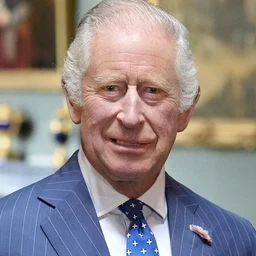
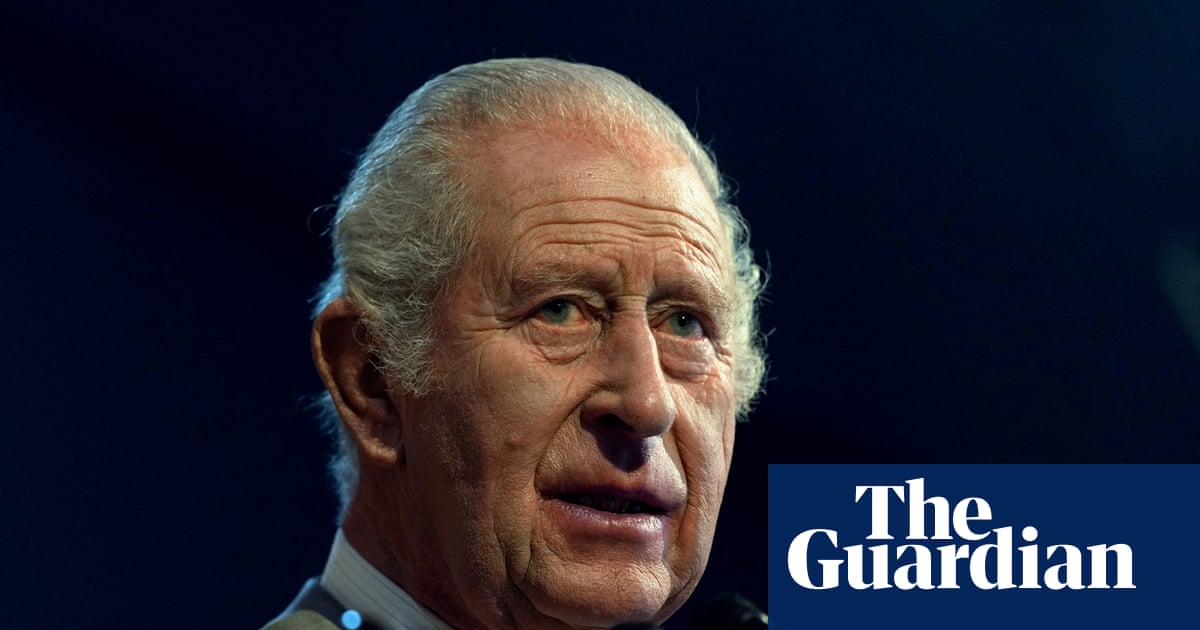
King Charles III has described the transatlantic slave trade as a 'shameful chapter' that fills his soul with 'profound personal sorrow' during the opening of the Commonwealth Heads of Government Meeting in Antigua and Barbuda. While Caribbean leaders and campaigners intensified demands for a formal state apology and financial reparations, the monarch stopped short of issuing an apology, emphasizing instead a commitment to modern partnerships and climate resilience.

What Triggered the Crisis
The intensifying debate surrounding the British monarchy and government's historical ties to chattel slavery comes to a head as King Charles undertakes an official tour of the Caribbean, including stops in the Bahamas and Antigua and Barbuda. Caribbean nations, backed by international legal and historical findings, have increasingly demanded that the UK reckon with the immense wealth accumulated through the forced trafficking of over three million African people on British ships.
The Key Facts
Historical records confirm that generations of British monarchs and state institutions, including the Royal African Company established in the seventeenth century, actively funded and profited from the slave trade. Prime Minister Andy Burnham, attending the summit, stated that the government is open to exploring a formal apology through structured dialogue with affected countries, with speculation pointing towards the G20 Summit in Manchester in November 2027. However, Downing Street has ruled out direct financial reparations, proposing instead a 'debt reset' and £40m in green infrastructure funding for Caribbean nations over the next three years.
Positions and Reactions
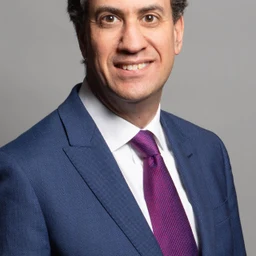
Reactions to the royal address and government proposals are sharply divided. Philip J Pierre, chair of the Caribbean Community, described an apology as an essential first step but maintained that an 'apology without repair is incomplete,' pointing to comprehensive demands covering public health and educational restitution. Meanwhile, protesters outside the summit venue held placards demanding concrete accountability. Foreign Secretary Ed Miliband defended the government's approach on the BBC's Newscast podcast, asserting that confronting the nation's past will not impose additional costs on British taxpayers.
What Is Still Unclear
While ministers have initiated structured talks with Caribbean leaders, the exact timeline and precise wording of any future formal apology remain undecided. It is also unconfirmed whether debt relief proposals will satisfy the broader ten-point reparatory justice framework advanced by regional commissions, or if further financial mechanisms will be negotiated.
What Could Happen Next
Bilateral discussions between UK officials and Caribbean prime ministers will continue throughout the summit. Observers expect the dialogue to shape diplomatic relations within the 56-member Commonwealth bloc ahead of future international gatherings, testing the government's ability to balance historical reconciliation with domestic economic constraints.
Frequently Asked Questions
- Did King Charles apologize for slavery during the Commonwealth summit? No, the King expressed profound personal sorrow and described the trade as monstrous, but stopped short of a formal apology.
- What is the UK government's position on financial reparations? Prime Minister Andy Burnham has explicitly stated that the government does not support direct reparations, favoring alternative measures like debt resets and green infrastructure funding.
- How much funding has the UK pledged to the Caribbean? The government announced £40m to support critical infrastructure and green energy in Caribbean nations over the next three years.
- What role did the British monarchy play in the historical slave trade? Historical research establishes that generations of monarchs, from Elizabeth I to James II, invested in, taxed, and actively supported companies that transported hundreds of thousands of enslaved people.