Keith Wolahan Urges Liberal Party to Cap Negative Gearing and Distinguish from One Nation
Former MP Keith Wolahan has called on the Liberal Party to cap negative gearing and move away from populist rhetoric to regain support in urban Australia and among migrant communities.
Keith Wolahan Urges Liberal Party to Cap Negative Gearing and Distinguish from One Nation
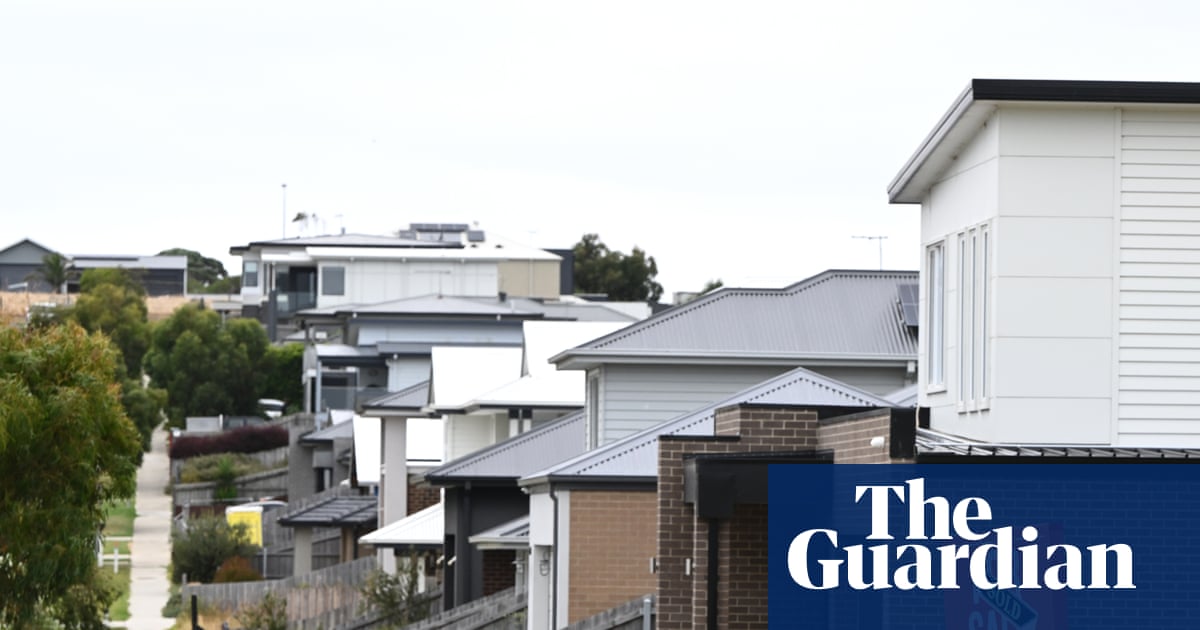
Former Liberal MP Keith Wolahan has publicly called for a significant shift in the Liberal Party's policy platform to regain support in urban Australia. He argues the party must address housing affordability by capping negative gearing and positioning itself as the primary choice for first home buyers. Wolahan also warned that the party must clearly distinguish itself from One Nation to maintain its reputation among migrant communities.
TL;DR
Former MP Keith Wolahan proposes a cap on negative gearing to help first home buyers.
Warns the Liberal Party against adopting populist or One Nation-style rhetoric.
Identifies a decline in the party's brand trust among migrant voters regarding economic management.
Argues the party must prioritize urban and migrant seats to remain competitive.
What Happened
In late February 2026, former Liberal MP Keith Wolahan issued a series of policy recommendations and warnings directed at the Liberal Party leadership. Following significant electoral challenges in urban seats, Wolahan stated that the party's current trajectory risk alienating vital voting blocs. He specifically targeted housing policy, suggesting that the party should pivot from protecting existing property investors to supporting those attempting to enter the market for the first time.
Key Developments
Wolahan’s intervention centered on two major pillars: economic reform and brand identity. He proposed a concrete policy of capping negative gearing, a move traditionally opposed by the Liberal Party, to make housing more accessible. Furthermore, he explicitly cautioned the party against drifting toward the political style of One Nation, stating that the Liberal Party must "distinguish or die." He noted that the party's traditional reputation for national security and economic stability is currently failing to resonate with migrant communities in diverse urban electorates.
Why This Matters
This development is factually significant as it represents a push for a major internal shift in Australian conservative economic policy. The loss of support in urban and migrant-heavy seats has left the Liberal Party with a narrowed path to government. Wolahan’s statements highlight a growing debate within the party on whether to maintain traditional property investment tax structures or adapt to the housing affordability crisis affecting younger voters.
What Happens Next
Liberal Party leadership has not yet formally adopted these recommendations. The party is expected to review its policy platform ahead of upcoming federal and state electoral cycles, where housing and migrant outreach will be primary battlegrounds. Discussion regarding the capping of negative gearing remains a point of contention within the party's internal policy committees.
FAQ
What did Keith Wolahan suggest regarding negative gearing?
He suggested that the Liberal Party should introduce a cap on negative gearing to better support first home buyers and address housing affordability.
Why is Wolahan warning about One Nation?
He believes the Liberal Party must maintain a distinct identity from populist parties to avoid alienating moderate and migrant voters in urban areas.
Which voter groups did Wolahan highlight as a concern?
He specifically highlighted first home buyers and migrant communities, noting the party’s brand is currently underperforming with these demographics.
Is the Liberal Party officially changing its policy?
As of now, these are recommendations from a former MP and have not been adopted as official party policy.
What is the 'distinguish or die' warning?
It is Wolahan's assertion that if the Liberal Party does not clearly differentiate its values and policies from minor right-wing parties, it will continue to lose relevance in metropolitan seats.