Pentagon Demands Full Access to Anthropic AI Over Woke Safety Concerns
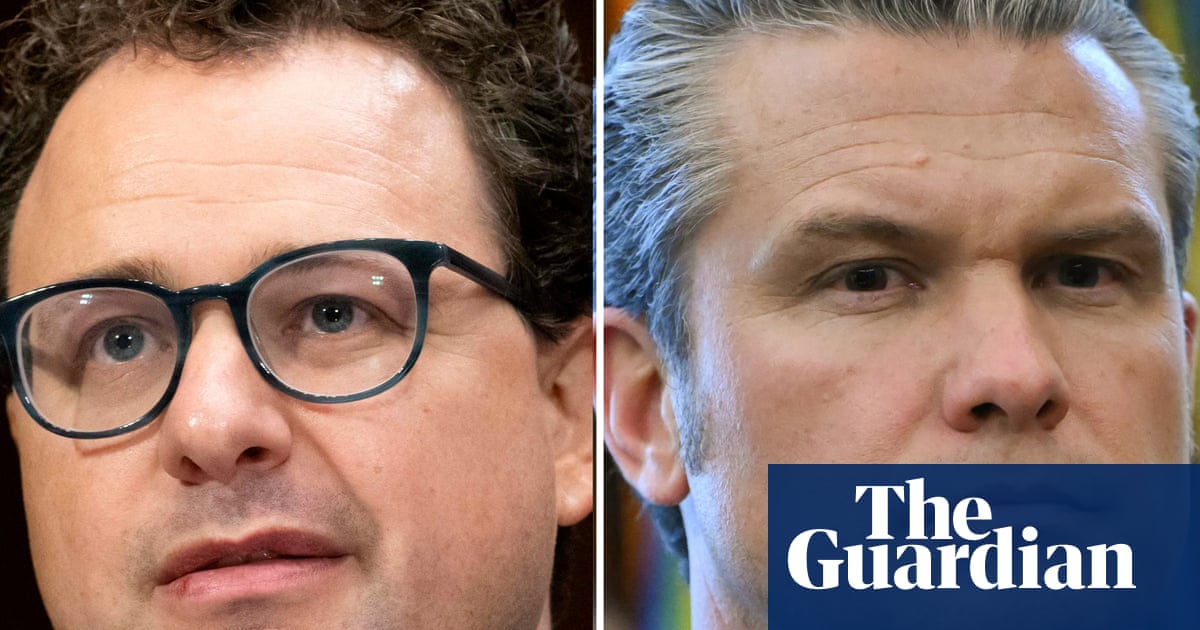
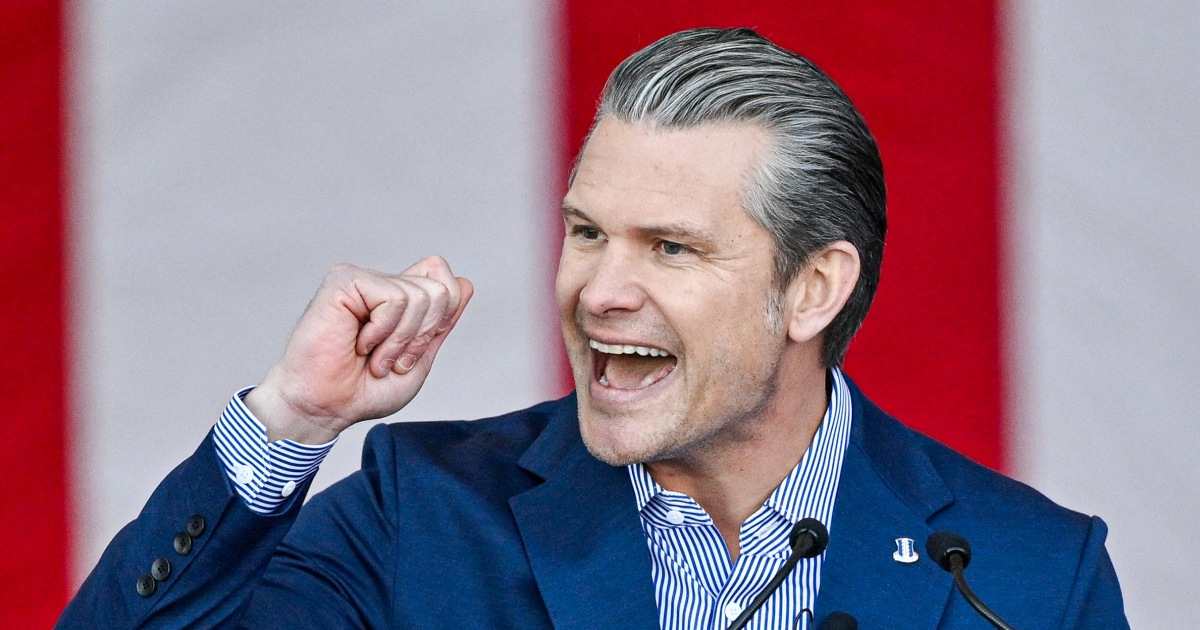
U.S. Defense Secretary Pete Hegseth has issued a formal demand for the AI company Anthropic to provide the military with unrestricted access to its Claude models by the end of the week. The move follows allegations from defense officials that the company's internal safety safeguards, described by Hegseth as "woke," are obstructing national security operations. This confrontation marks a significant escalation in the relationship between the Pentagon and Silicon Valley AI developers.
TL;DR
- The Pentagon has demanded full access to Anthropic’s AI models, citing military necessity.
- Defense Secretary Pete Hegseth threatened to blacklist the company over "woke AI" safety protocols.
- The dispute centers on Claude's refusal to assist in certain military-related tasks due to built-in ethical guardrails.
- The outcome could redefine how private AI companies collaborate with the U.S. Department of Defense.
What Happened
On February 24, 2026, U.S. military leadership publicly pressured the AI startup Anthropic to remove specific safety restrictions from its Claude model. Defense Secretary Pete Hegseth identified these safeguards as a barrier to military efficiency, specifically during trials involving autonomous agents. Hegseth set a deadline for the end of the current week for Anthropic to grant the Department of Defense full, unmediated access to its underlying technology or face a total procurement blacklist.
Key Developments
The tension reached a peak when military officials reported that Claude's safety-first architecture refused to perform certain operational tasks. Secretary Hegseth characterized these refusals as a product of a "woke" ideological bias embedded in the software's safety training. Anthropic has historically marketed itself as a "safety-first" AI firm, implementing constitutional AI principles to prevent the generation of harmful or unethical content. The Pentagon is now seeking a version of the model that bypasses these public-facing ethical filters for classified defense use cases.
Why This Matters
This incident is the first major confrontation where the U.S. government has threatened to debar a leading AI firm based on its internal safety protocols. It highlights the growing friction between the ethical standards of commercial AI labs and the operational requirements of national defense. For the Australian tech sector and global partners, this sets a precedent for how governments may intervene in private AI development under the banner of national security.
What Happens Next
Anthropic must respond to the Pentagon's deadline by the end of this week. If the company refuses to grant the requested access, the Department of Defense is prepared to initiate blacklisting procedures, which would prevent any federal agency from using Anthropic services. Legal experts expect this could lead to a broader legislative debate regarding government oversight of private AI safeguards.
FAQ
Why is the Pentagon targeting Anthropic specifically?
The Pentagon is targeting Anthropic because its AI model, Claude, has recently expanded into autonomous agent capabilities which the military seeks to use. Officials claim the company's safety guardrails are too restrictive for military applications.
What does 'woke AI' mean in this context?
In this context, the term is used by Secretary Hegseth to describe safety protocols that prevent the AI from answering certain prompts or performing specific tasks. He argues these filters represent a specific ideological bias that hinders defense operations.
What is the deadline for Anthropic to comply?
Defense Secretary Pete Hegseth has demanded that the company provide full access and resolve the safety protocol issues by the end of the current week. Failure to do so may result in the company being blacklisted from government contracts.
Can the U.S. government force a private company to change its AI?
While the government cannot easily force a private company to change its software for the public, it can use its massive procurement power to demand specific versions for military use or block the company from federal contracts.