How to Watch the March 2026 Total Lunar Eclipse in Australia
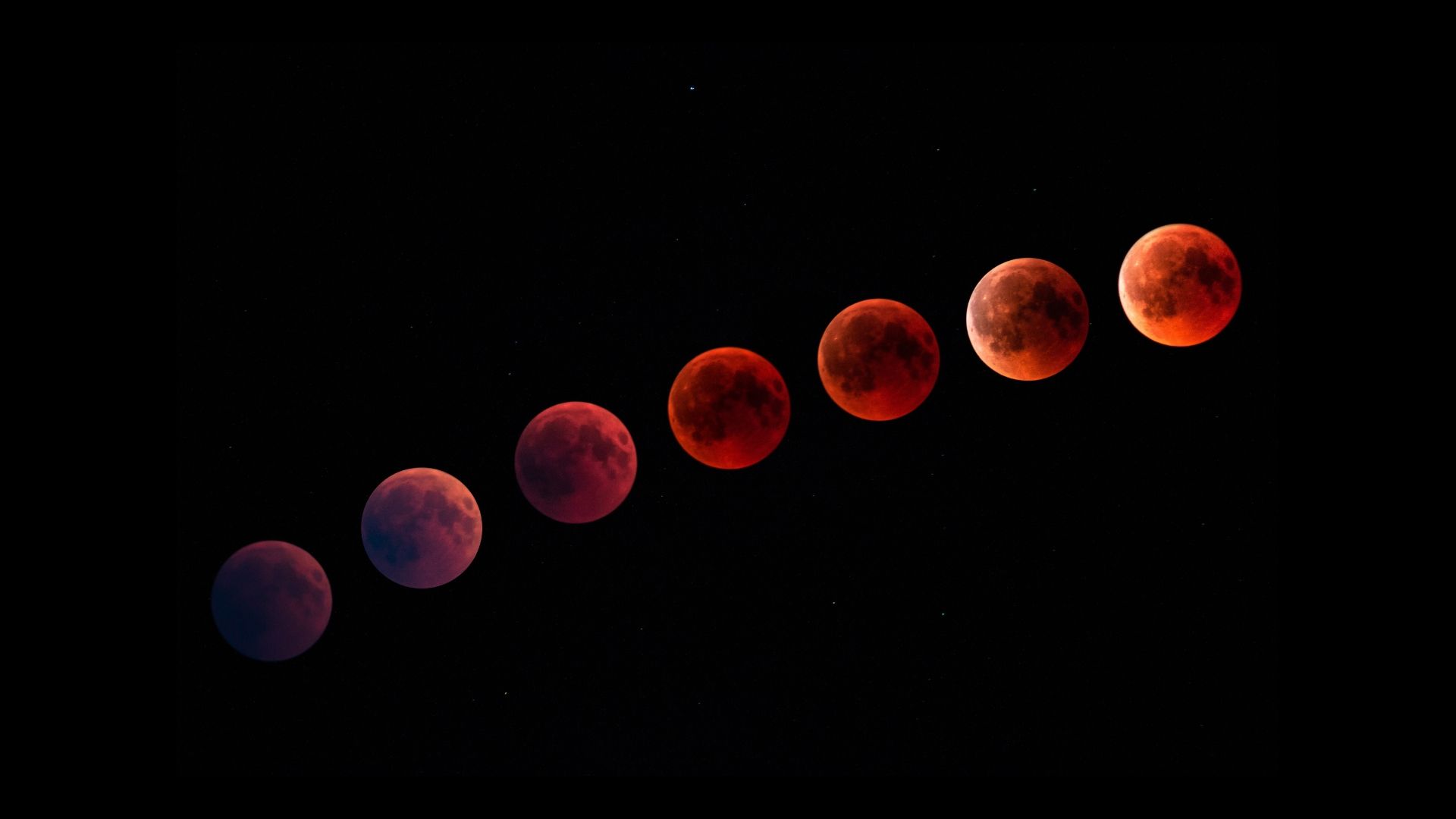
A total lunar eclipse, commonly referred to as a Blood Moon, will occur on March 3, 2026, with significant visibility across Australia. This astronomical event happens when the Earth passes directly between the Sun and the Moon, casting a deep red shadow over the lunar surface. Observers in the eastern and central regions of Australia are positioned to see the full duration of the totality phase.
TL;DR
- A total lunar eclipse will occur on March 3, 2026.
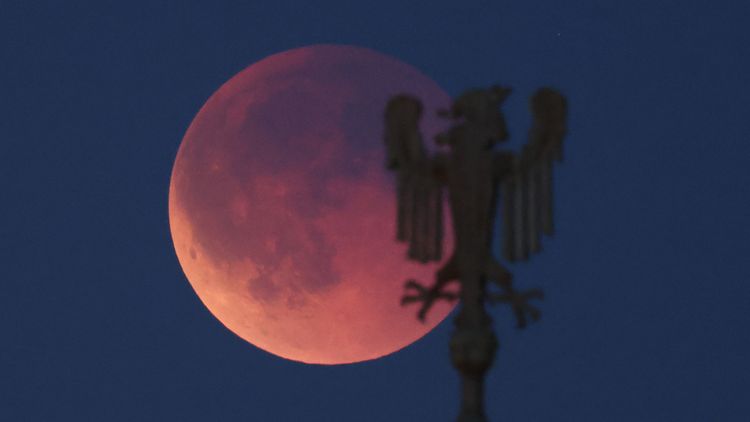
- The Moon will take on a distinct brick-red hue during the totality phase.
- Eastern and Central Australia will have the best vantage points for the full event.
- This event coincides with the Lantern Festival in several regions.
What Happened
Astronomical charts and meteorological reports have confirmed the timing for the upcoming total lunar eclipse on March 3, 2026. This event is the first total lunar eclipse of the year and follows a period of partial eclipses. The phenomenon begins as the Moon enters Earth's penumbra, followed by the partial phase, and culminates in totality when the Moon is completely engulfed by the Earth's umbral shadow.
Key Developments
Visibility reports indicate that the eclipse will be visible nationwide in Australia, though the level of completion varies by state. In New South Wales, Victoria, Queensland, and the ACT, the entire duration of totality will be visible above the horizon. In Western Australia, the eclipse will be in progress as the Moon rises. Official timing suggests the totality phase will last approximately 50 to 60 minutes, during which the Moon will appear red due to Rayleigh scattering of sunlight through Earth's atmosphere.
Why This Matters
Total lunar eclipses are significant scientific events that allow for the study of Earth's atmospheric composition and lunar surface temperatures. For the general public in Australia, it represents a rare deep-space event visible without specialized equipment. The 2026 timing is particularly notable as it aligns with the traditional Lantern Festival, increasing cultural participation in sky-watching activities across the Asia-Pacific region.
What Happens Next
Stargazers are advised to find clear western horizons for the early morning hours or eastern horizons depending on their specific Australian time zone. Following the March event, the next major lunar activity will be monitored by global space agencies, with the subsequent total lunar eclipse not expected until later in the lunar cycle. Local astronomical societies are expected to host public viewing events across major Australian cities.
FAQ
What time is the lunar eclipse in Australia?
The eclipse begins in the late evening of March 3 or early morning of March 4, 2026, depending on your local Australian state. Totality generally occurs when the Moon is high in the sky for eastern states.
Do I need special glasses to watch a lunar eclipse?
No, unlike a solar eclipse, a lunar eclipse is completely safe to view with the naked eye. Binoculars or a telescope can be used to see more detail on the lunar surface without any risk of eye damage.
Why does the Moon turn red during a total eclipse?
The red color, often called a Blood Moon, is caused by sunlight bending through Earth's atmosphere. The atmosphere filters out blue light and projects the remaining red light onto the Moon's surface.
Where is the best place in Australia to see the eclipse?
The eastern states, including Queensland, New South Wales, and Victoria, offer the most complete view. Clear skies and minimal light pollution will provide the best visibility for the red hue.