The Electric BMW M3 Is Here — and It’s Quietly Redefining What Performance Means
The BMW M3 has always been more than a fast saloon. In Britain, it’s shorthand for a certain idea of driving pleasure: balance, mechanical honesty, and performance you can feel through your fingertips. That identity is now facing its biggest test yet. Over the past week, a wave of coordinated reveals, first looks, and technical briefings has confirmed what many suspected but few fully understood: the next-generation BMW M3 will be fully electric, quad-motor, and radically different in how it delivers speed. The coverage tells a story not of a single car, but of a brand carefully negotiating its past while preparing for an electric future.
Main Topic Overview
This isn’t BMW’s first step into electrification, nor is it the first time enthusiasts have worried about what change might mean for the M badge. Previously, turbocharging sparked similar anxieties when naturally aspirated engines disappeared from the M3 lineup in the mid-2010s. Building on those earlier transitions, BMW M now argues that electrification is not a retreat from performance but an expansion of it. The upcoming electric M3, expected later this decade, will sit on the Neue Klasse platform and use one motor per wheel, unlocking new possibilities in torque control, handling balance, and adaptability.
News Coverage
Here's your first official look at the quad-motor, bhp+ fully electric BMW M
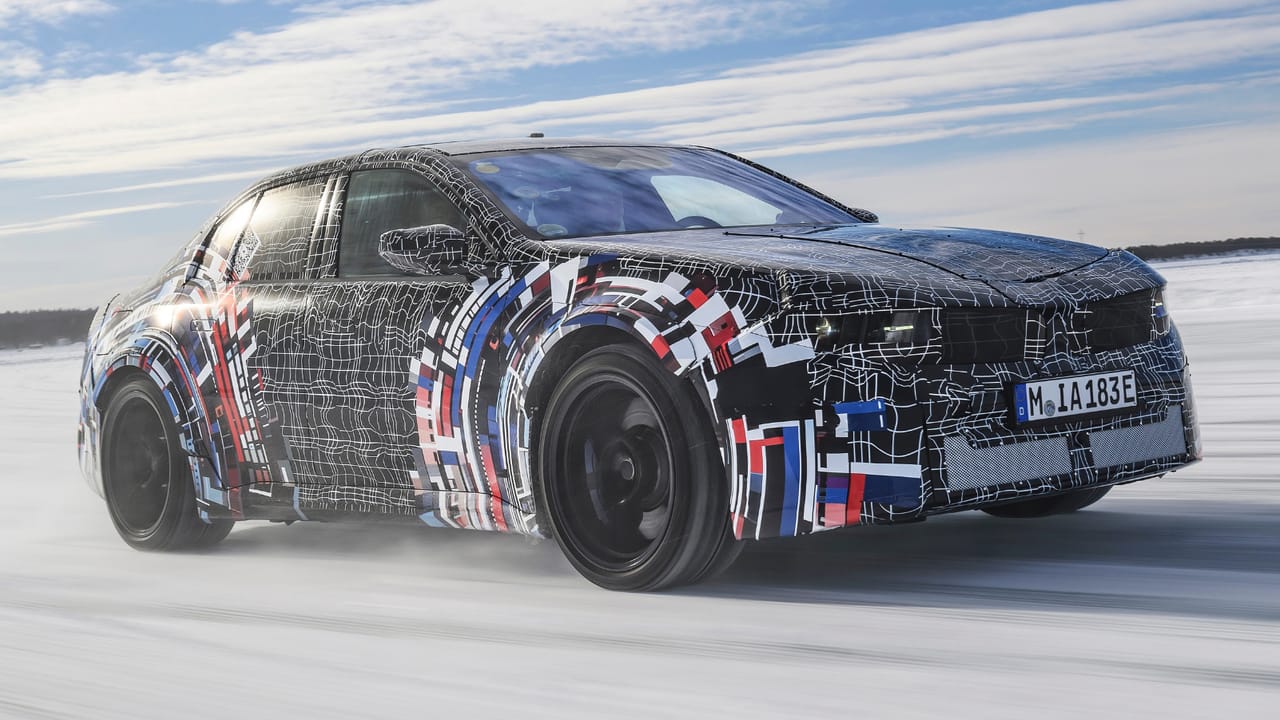
Top Gear’s first official images frame the electric M3 as both familiar and deliberately futuristic. The emphasis is less on outright power figures and more on how that power is deployed, with BMW highlighting the precision of individual wheel control. Rather than positioning the car as a simple replacement for the petrol M3, the coverage suggests BMW sees this as a reset — a chance to redefine what a performance saloon feels like in an era where instant torque is a given. The careful tone reflects an understanding of the scepticism that often greets radical shifts in performance philosophy.
The BMW M is going electric – but with a fake engine to boost driver appeal
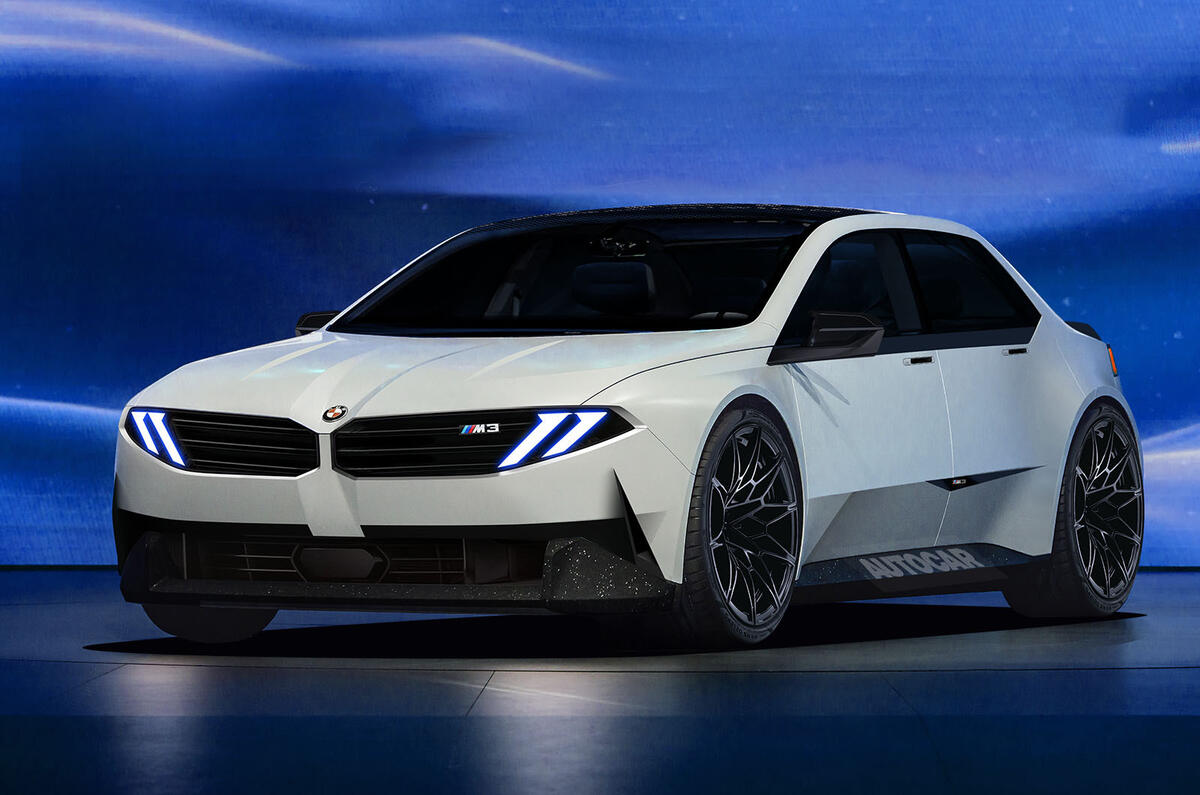
Autocar focuses on one of the most contentious aspects of BMW’s approach: simulated engine sounds and gearshifts. Rather than dismissing the idea outright, the analysis frames it as a pragmatic attempt to preserve emotional engagement for drivers accustomed to auditory and mechanical feedback. This isn’t the first time manufacturers have experimented with synthetic sound, but Autocar notes the difference here is intent — BMW M appears to see it as an optional layer, not a defining feature. The piece underscores the tension between authenticity and accessibility that now defines high-performance EV development.
BMW confirms RWD mode, quad motors for electric M
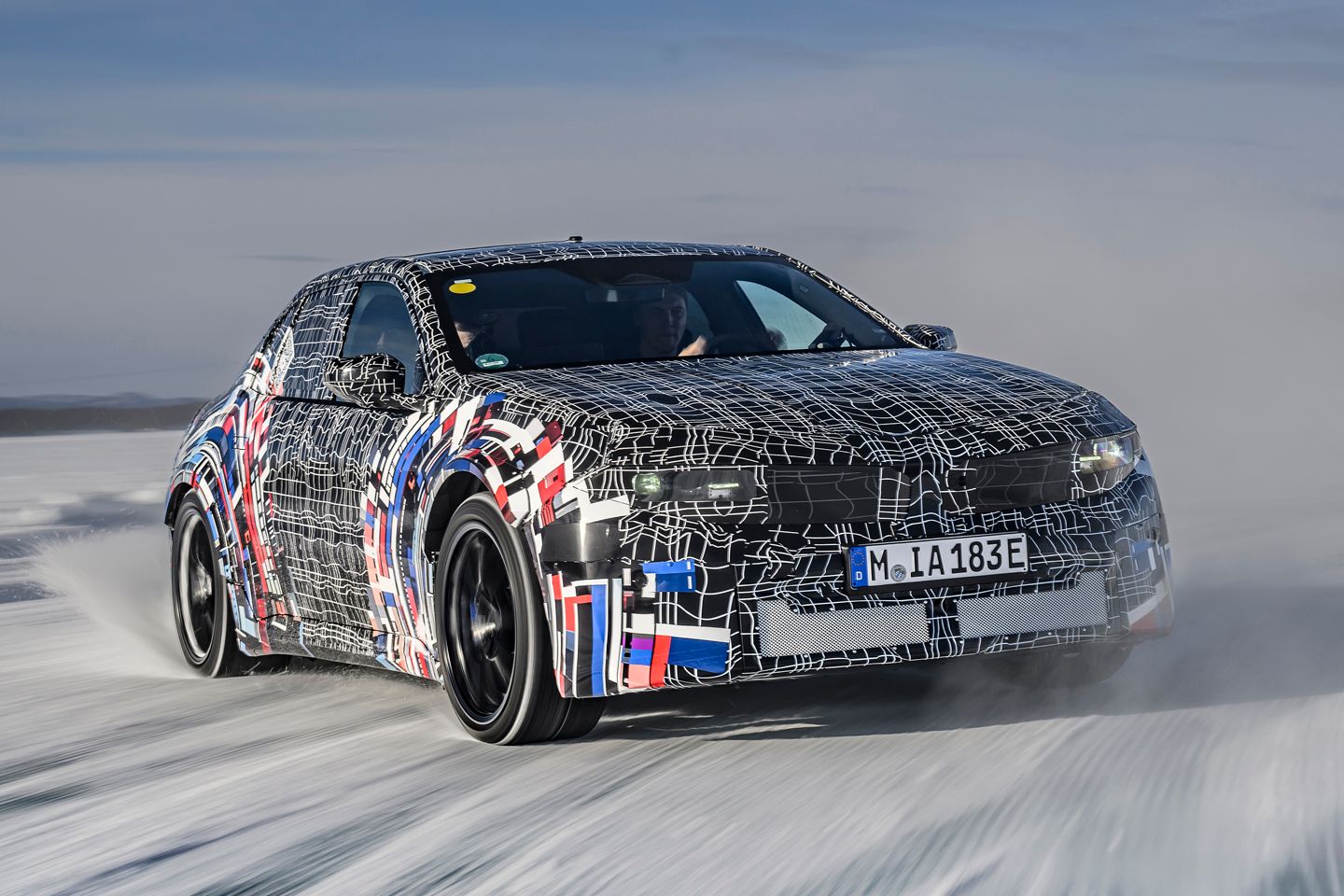
PistonHeads zeroes in on a detail likely to resonate strongly with UK enthusiasts: the confirmation of a rear-wheel-drive mode. By allowing drivers to disengage the front motors, BMW appears keen to reassure purists that familiar handling traits haven’t been abandoned. The article links this flexibility to BMW M’s long-standing emphasis on driver choice, suggesting that electrification may actually expand configurability rather than restrict it. It also hints at how software will increasingly shape the character of performance cars.
BMW’s first electric M car is coming in —with one motor per wheel
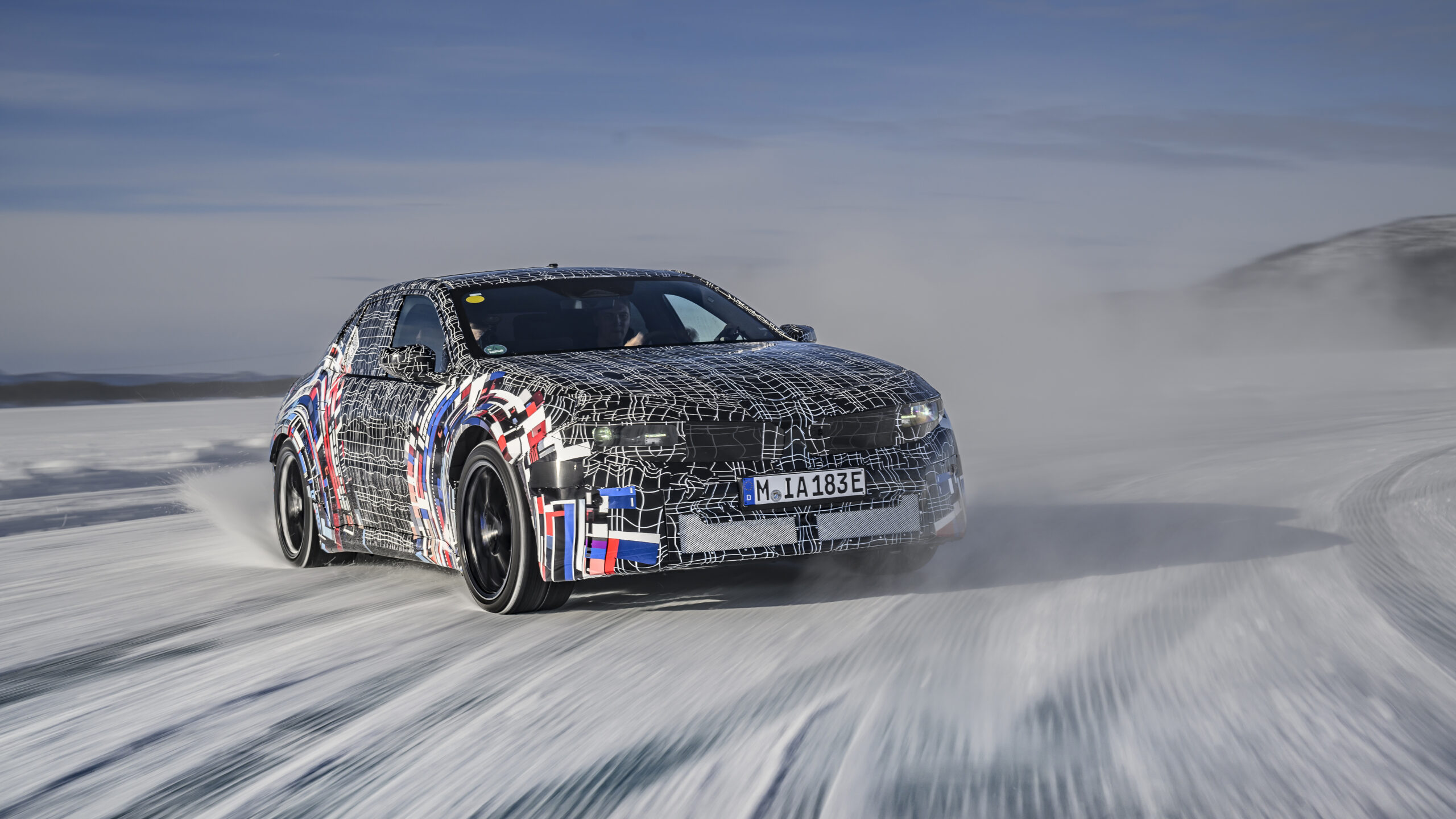
Ars Technica places the electric M3 within a broader technological context, explaining how four independent motors eliminate the need for traditional differentials. The piece highlights how this architecture allows unprecedented control over yaw and traction, potentially redefining what agility means in a two-tonne performance saloon. Rather than leaning on nostalgia, the analysis suggests BMW M is betting on measurable capability to win sceptics over time, even if the transition initially feels unfamiliar.
The beginning of a new era: fully electric BMW M models set unrivalled high-performance standards.
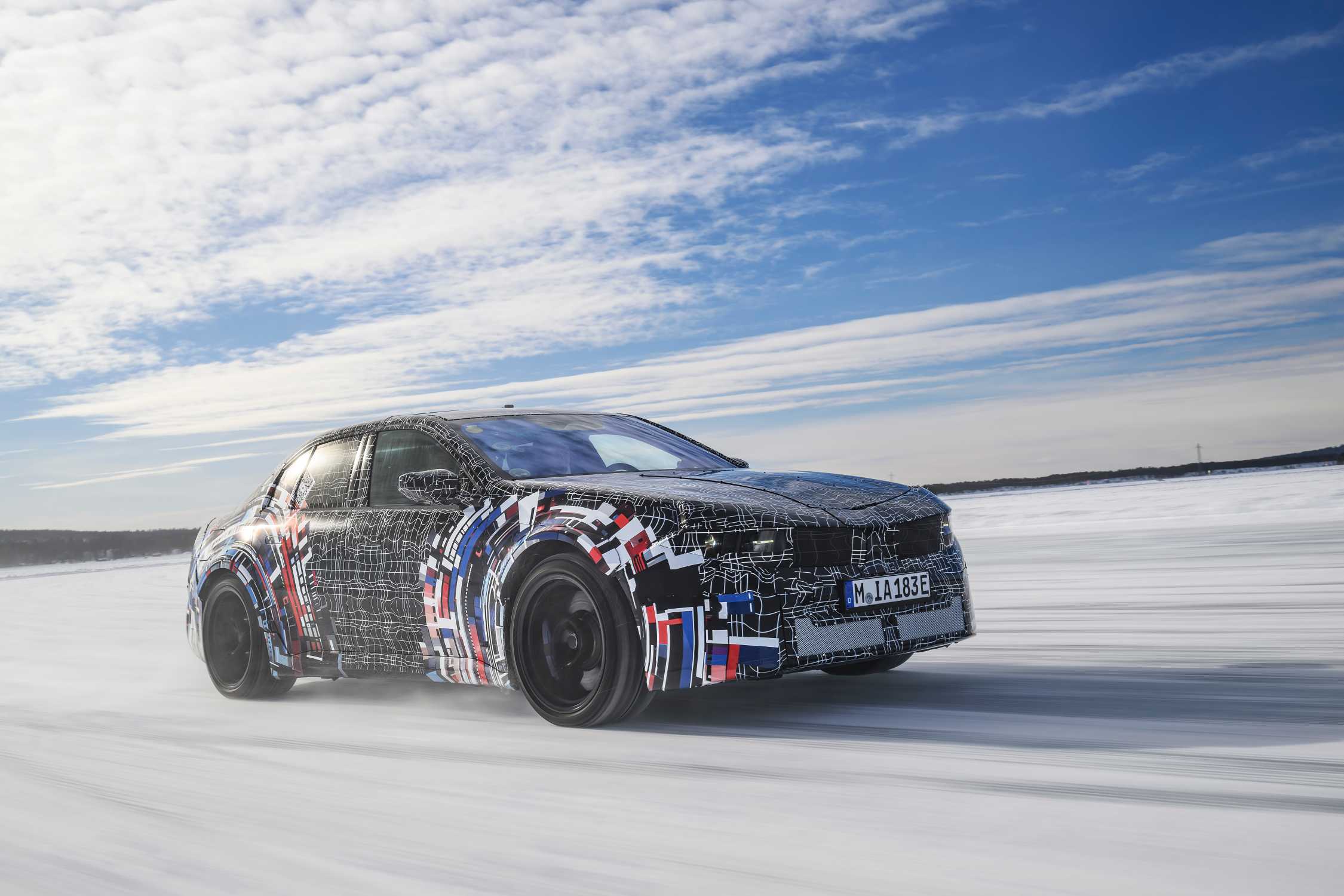
BMW Group’s own announcement sets an assertive tone, framing electrification as an opportunity to establish new benchmarks rather than follow industry trends. The language is deliberately forward-looking, emphasising performance consistency, thermal management, and repeatability — areas where electric drivetrains can outperform combustion engines. While corporate in style, the statement helps clarify BMW’s long-term direction and provides context for the more nuanced reactions seen elsewhere.
Summary / Insights
Taken together, the coverage reveals a carefully staged transition rather than a sudden break with tradition. BMW M is leaning heavily on technology — quad motors, software-defined handling, configurable drive modes — to argue that driving engagement can survive electrification. At the same time, the discussion around simulated sound and selectable RWD modes shows an acute awareness of cultural expectations, particularly in markets like the UK where the M3’s identity is deeply ingrained. Whether this new approach wins over long-time loyalists may depend less on specifications and more on how convincingly the electric M3 feels like an M car on British roads.

-logo-1200x675.jpg,https://www.marketbeat.com/images/marketbeat-logo-1200-1200.jpg?v=1)