South Korea Kospi Index Slumps Amid Escalating Iran Conflict
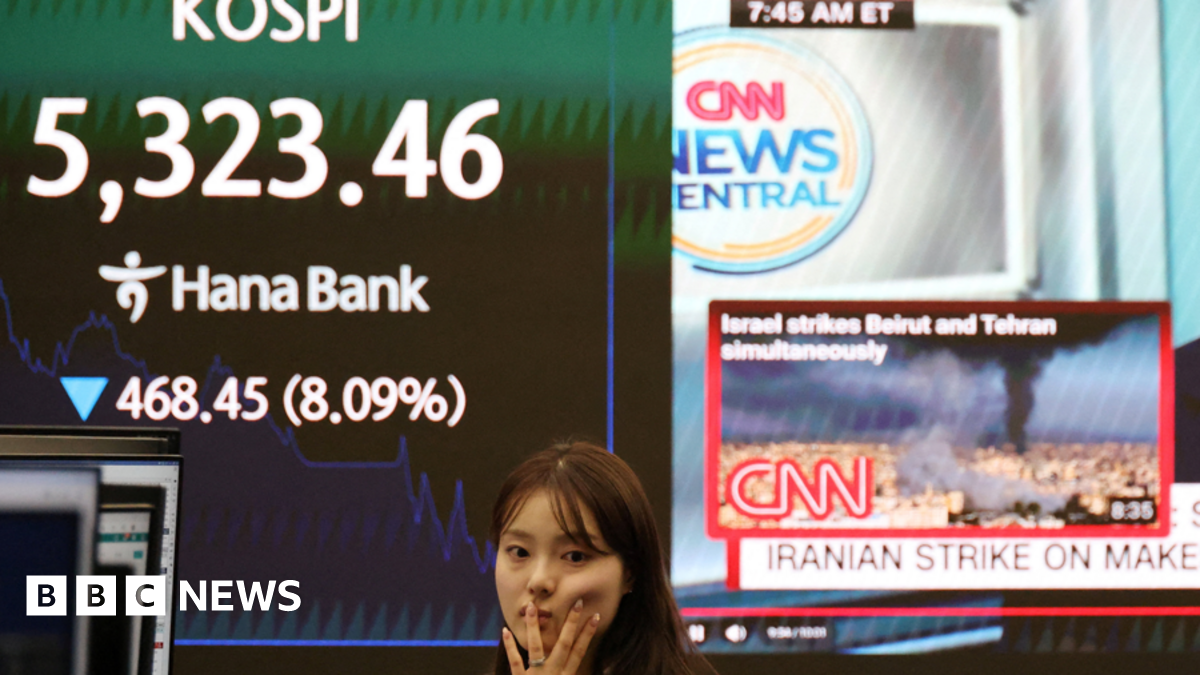
The South Korean Kospi index suffered its largest historical decline on March 4, 2026, as the US-Iran war triggered a global sell-off and pushed oil prices higher.
South Korea Kospi Index Slumps Amid Escalating Iran Conflict
The South Korean Kospi index experienced its steepest historical drop on March 4, 2026, as geopolitical tensions between the US and Iran intensified. Market participants engaged in a massive sell-off across Seoul and broader Asian markets due to fears of a prolonged regional war. The decline follows a period where South Korea had been among the world’s top-performing stock markets.
TL;DR
The Kospi index recorded its largest single-day points drop in history.
Investors liquidated positions as the US-Iran conflict escalated into active warfare.
The sell-off erased significant gains from the previous fiscal quarter.
Rising oil prices and regional instability are driving global market volatility.
What Happened
On March 4, 2026, the South Korean benchmark Kospi index plummeted as trading opened in Seoul. The sell-off was triggered by news of intensifying military actions involving Iran and US forces. By mid-day, the index surpassed previous record percentage declines, following a trend seen in the Hang Seng and Nikkei 225. Foreign institutional investors moved capital out of emerging Asian equities into safe-haven assets, leading to a simultaneous rise in global oil prices.
Key Developments
Official data from the Korea Exchange confirmed that the market triggered multiple circuit breakers to temporarily halt trading. The South Korean Ministry of Economy and Finance convened an emergency meeting to discuss market stabilization measures. Simultaneously, energy prices rose sharply, with Brent crude futures climbing as the conflict disrupted shipping routes. Technical sell-offs were exacerbated by automated trading systems reacting to the breach of psychological support levels on the index.
Why This Matters
South Korea's economy is highly dependent on imported energy and global trade exports, making the Kospi particularly sensitive to Middle Eastern instability. The sudden reversal of what was the world's best-performing market signals a shift in global risk appetite. This volatility impacts pension funds and retail investors who had increased exposure to South Korean tech and manufacturing stocks earlier in the year.
What Happens Next
Market analysts expect continued volatility as long as the military conflict remains active. The Bank of Korea is scheduled to monitor currency fluctuations to prevent the won from depreciating further against the US dollar. Traders are awaiting official statements from the G7 regarding potential sanctions or energy supply interventions.
FAQ
Why did the Kospi index drop today?
The index dropped due to a massive sell-off triggered by the escalation of war between the US and Iran, which raised fears of global economic disruption. The decline on March 4, 2026, marked the steepest drop in the market's history.
How did other Asian markets perform?
The Hang Seng in Hong Kong and the Nikkei 225 in Japan also recorded significant losses on the same day. The regional slump was driven by a flight to safety as investors moved away from equities.
What was the impact on oil prices?
Oil prices rose sharply as the conflict threatened supply chains in the Middle East. Higher energy costs specifically pressure the South Korean economy, which relies heavily on fuel imports.
Were trading halts implemented?
Yes, the Korea Exchange utilized circuit breakers to pause trading after the index fell past specific percentage thresholds. This mechanism is designed to prevent total market collapse during periods of extreme panic.