Why Alabama’s Education and Veteran Support Push Is Suddenly on the UK Radar
From workforce-ready classrooms to round-the-clock mental health services for veterans, Alabama is experiencing a notable policy moment. A cluster of recent reports highlights how education systems and public services are being reshaped in ways that resonate beyond the US, drawing interest from UK educators, employers, and policymakers watching similar debates unfold at home.
Main Topic Overview
Over the past fortnight, Alabama has surfaced repeatedly in international news feeds for developments in jobs, education, and veteran welfare. While these stories are rooted in local initiatives, they echo wider global questions: how to align education with labour-market needs, how to expand access to higher education early, and how to provide timely mental health support to those who have served. For UK readers, the relevance lies less in geography and more in policy parallels.
News Coverage
Baldwin Prep points toward the future of career technical education
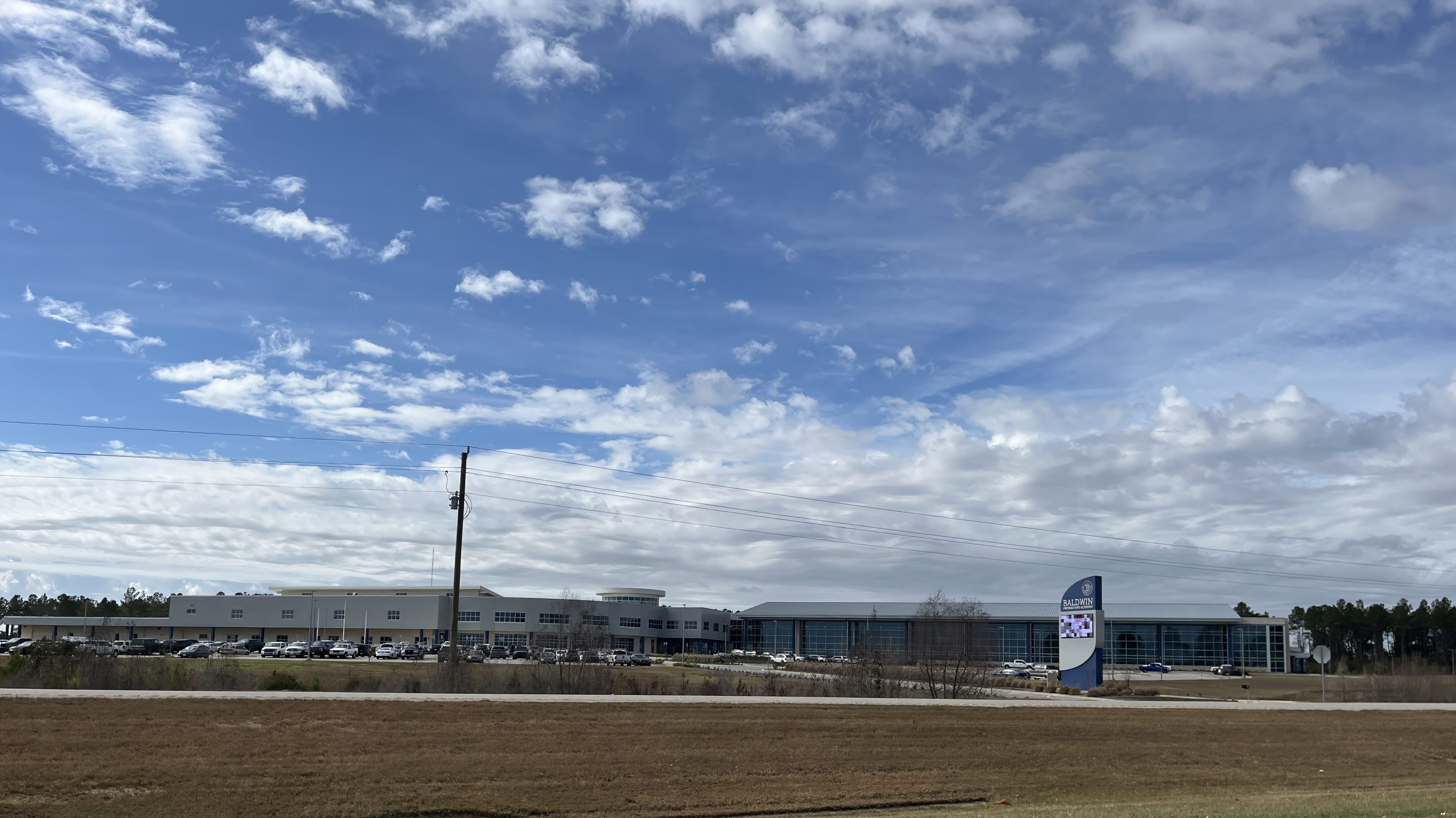
This report focuses on Baldwin Preparatory Academy, a purpose-built campus designed to blur the line between school and workplace. Students split time between traditional academics and hands-on training in fields ranging from health sciences to advanced manufacturing. Supporters argue the model responds directly to employer shortages, while critics question scalability and long-term funding. The story connects to a broader trend of vocational education gaining renewed status after decades of academic dominance.
Baldwin Prep showcases future of workforce-driven education in Alabama
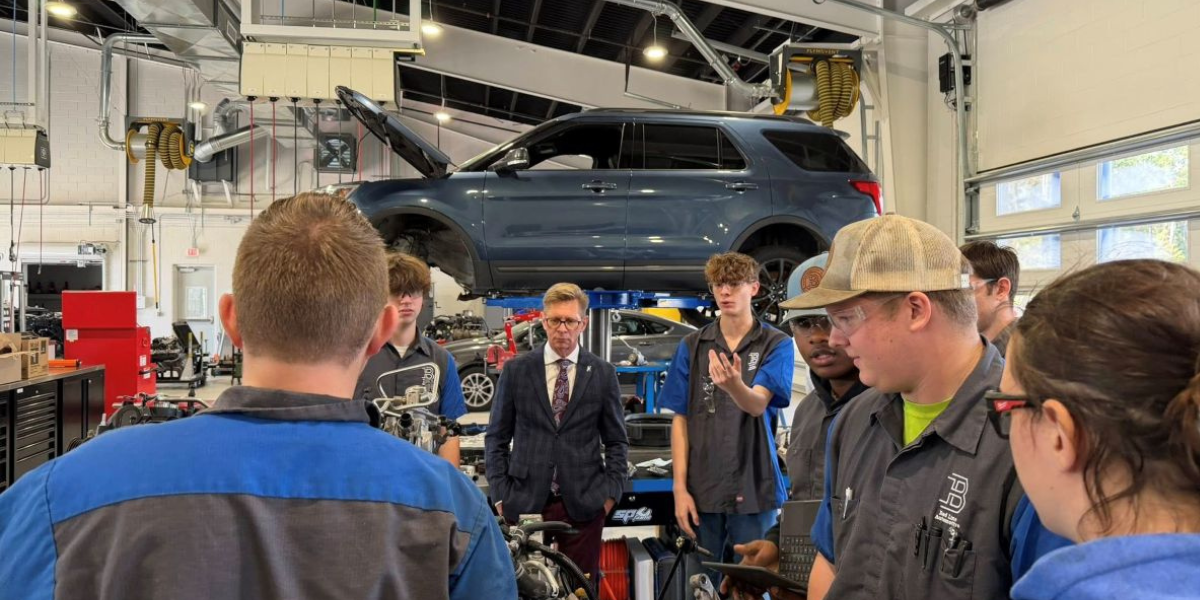
Covering the same institution from a different angle, this piece highlights political backing and industry partnerships behind Baldwin Prep. State officials frame it as a template for future schools, particularly in regions struggling to attract investment. The article notes enthusiasm from local businesses alongside cautious optimism from educators who stress the need for adaptable curricula. Together with earlier coverage, it reinforces the narrative of education policy being shaped by immediate economic pressures.
Statewide initiative in Alabama provides immediate mental health support for veterans

This article shifts focus from classrooms to care, detailing a new statewide system offering veterans rapid access to mental health services. The initiative emphasises immediacy, aiming to reduce wait times that have long been criticised. Advocates describe it as a necessary response to rising awareness of post-service mental health challenges, while administrators acknowledge logistical hurdles in rural areas. The piece situates Alabama within a wider national reassessment of veteran support frameworks.
New grant program will provide Alabama veterans with 24/7 mental health support

Complementing WBRC’s report, this story outlines the funding mechanism behind expanded veteran services. Grants are positioned as a way to coordinate charities, healthcare providers, and state agencies under a single access point. The article notes bipartisan support but also raises questions about oversight and long-term sustainability. Read together, the two pieces suggest momentum toward more integrated mental health provision.
Alabama community colleges see record year for dual enrollment

This report documents a surge in students taking college courses while still at school, signalling changing attitudes toward early higher education. Officials cite affordability and flexibility as key drivers, while some educators warn of uneven access between districts. Historically, dual enrolment has expanded during periods of economic uncertainty, and the article frames the current record as part of that pattern.
More than 40,000 Alabama high school students are earning college credit

Expanding on the dual-enrolment theme, this article quantifies the scale of participation statewide. It places current numbers in historical context, noting steady growth over the past decade. Perspectives from students and parents illustrate perceived benefits, while administrators discuss capacity limits. The piece underscores how early access to higher education has moved from niche option to mainstream pathway.
Summary / Insights
Taken together, these stories sketch a state actively experimenting with how education and public services intersect with economic and social needs. Workforce-aligned schools and expanded dual enrolment point to a desire for earlier, more practical preparation, while veteran mental health initiatives reflect growing attention to service-related wellbeing. For UK observers, Alabama’s experience offers a comparative case study rather than a blueprint, highlighting shared challenges faced on both sides of the Atlantic.