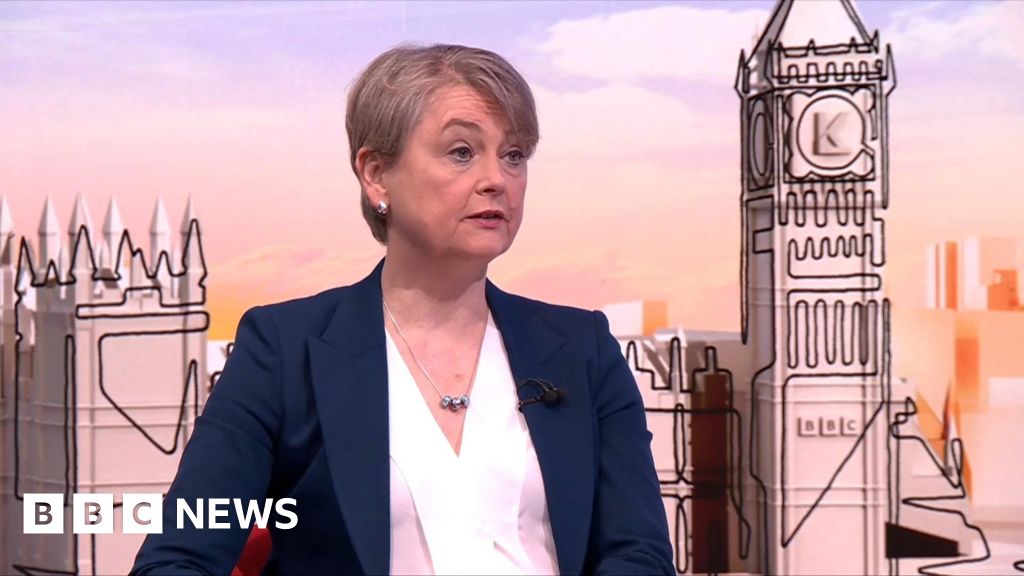
Shabana Mahmood and the West Midlands Police Crisis: Confidence Lost, Questions Raised
The UK political spotlight has turned sharply toward Home Secretary Shabana Mahmood after she publicly stated she had lost confidence in the chief constable of West Midlands Police. The remarks followed mounting controversy over the banning of Maccabi Tel Aviv football fans, the use of AI-generated material in official justifications, and allegations of misleading Parliament. Together, these developments have triggered a wider debate about policing accountability, technology in law enforcement, and ministerial oversight.
Main Topic Overview
This episode sits at the intersection of public order policing, political responsibility, and trust in institutions. West Midlands Police, one of the country’s largest forces, has faced scrutiny before, but the current situation marks a rare moment where the Home Secretary has openly withdrawn confidence in a serving chief constable. Building on earlier concerns about protest policing and football-related security, the case has rapidly escalated into a national issue.
News Coverage
Home secretary says she has lost confidence in West Midlands police boss after Israeli fan ban
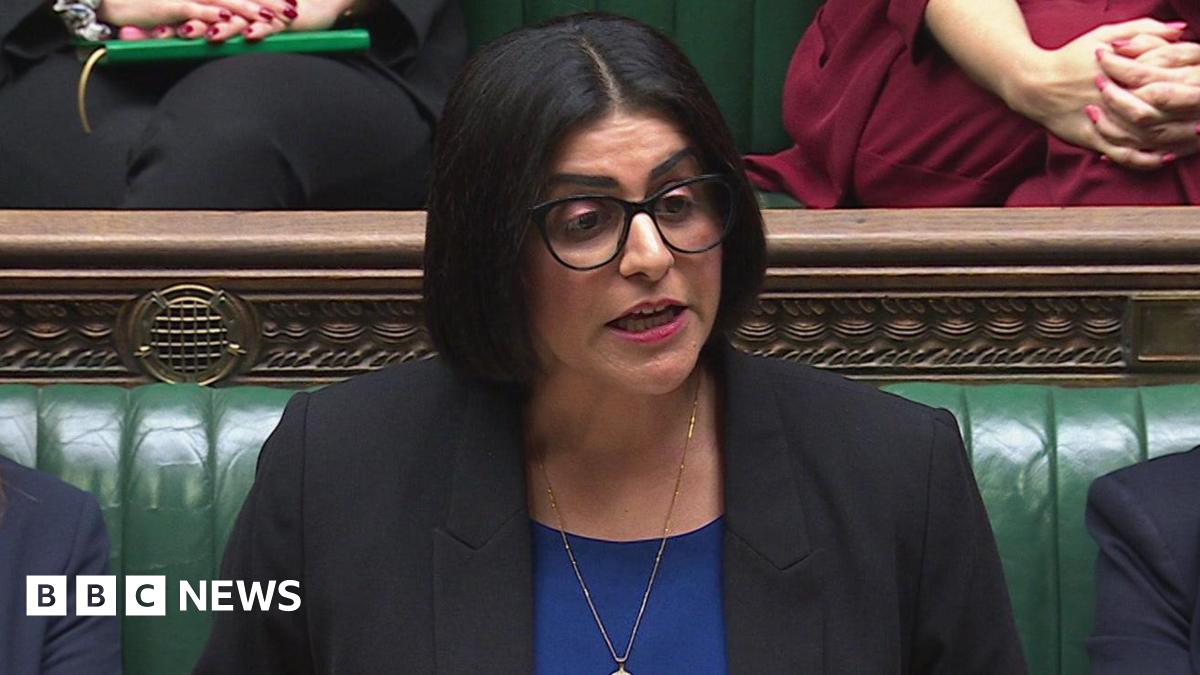
The BBC reports that Shabana Mahmood told Parliament she no longer had confidence in the West Midlands Police chief following the decision to ban Maccabi Tel Aviv supporters. Her intervention came after questions about the evidential basis for the ban and whether public safety assessments were sound. The statement signalled a clear shift from earlier ministerial caution to a more assertive stance. Analysts note that such public criticism reflects both political pressure and the seriousness with which misleading information to MPs is treated.
Home secretary says she has lost confidence in police chief behind Maccabi Tel Aviv fans ban

The Guardian places Mahmood’s comments within a broader accountability framework, highlighting how police leadership credibility can erode when operational decisions are later questioned. The article explores reactions from opposition figures and policing experts, some of whom argue the episode exposes systemic weaknesses rather than individual failure alone. Others stress that ministerial confidence is a cornerstone of policing legitimacy. The coverage links this moment to previous debates over football policing and proportionality.
Police chief admits misleading MPs after AI used in justification for banning Maccabi Tel Aviv fans
This report focuses on the admission that AI-generated material was used inaccurately when explaining the ban to MPs. The revelation intensified criticism, shifting the discussion from crowd safety to governance and transparency. Observers point out that while AI tools are increasingly common, accountability remains firmly human. The incident has prompted renewed calls for clearer guidance on technology use in policing.
Police chief apologises for 'erroneous' Maccabi Tel Aviv fan ban evidence, blaming AI

Sky News reports on the formal apology issued by the police chief, who acknowledged errors in evidence presented to justify the ban. The apology aimed to contain institutional damage but also raised questions about internal review processes. Commentators suggest that apologies, while necessary, may not fully restore public trust without structural changes. The Home Secretary’s response underscores how closely political leaders are now watching policing standards.
Summary / Insights
Across outlets, a consistent theme emerges: confidence, once lost, is difficult to regain. Shabana Mahmood’s decision to withdraw confidence reflects not just one disputed ban, but wider unease about transparency, technology, and accountability in modern policing. Historically, similar crises have led either to leadership changes or sweeping reviews. Whether this episode results in reform or resignation remains uncertain, but it has already reshaped the conversation around how policing decisions are justified and scrutinised in the UK.