Wolverhampton Factory Fire Sends Shockwaves Across the City
Early on 14 January 2026, Wolverhampton residents woke to an unsettling sight: thick black smoke rolling across the skyline, visible for miles. What began as a fire at an industrial site quickly evolved into a major local incident, prompting road closures, public health warnings, and intense media scrutiny. This digest brings together how the situation unfolded, what authorities said, and why the incident resonated far beyond the immediate area.
Main Topic Overview
The fire broke out at a factory site near Upper Villiers Street, an area surrounded by residential neighbourhoods and key transport routes. Emergency services responded rapidly, but the scale of the blaze and reports of explosions elevated concern. West Midlands Fire Service described challenging conditions, while local councils urged people to stay indoors and avoid the area. Although no fatalities were immediately confirmed, the incident raised broader questions about industrial safety, emergency preparedness, and urban planning in densely populated cities.
News Coverage
Factory fire causes huge smoke plume across Wolverhampton
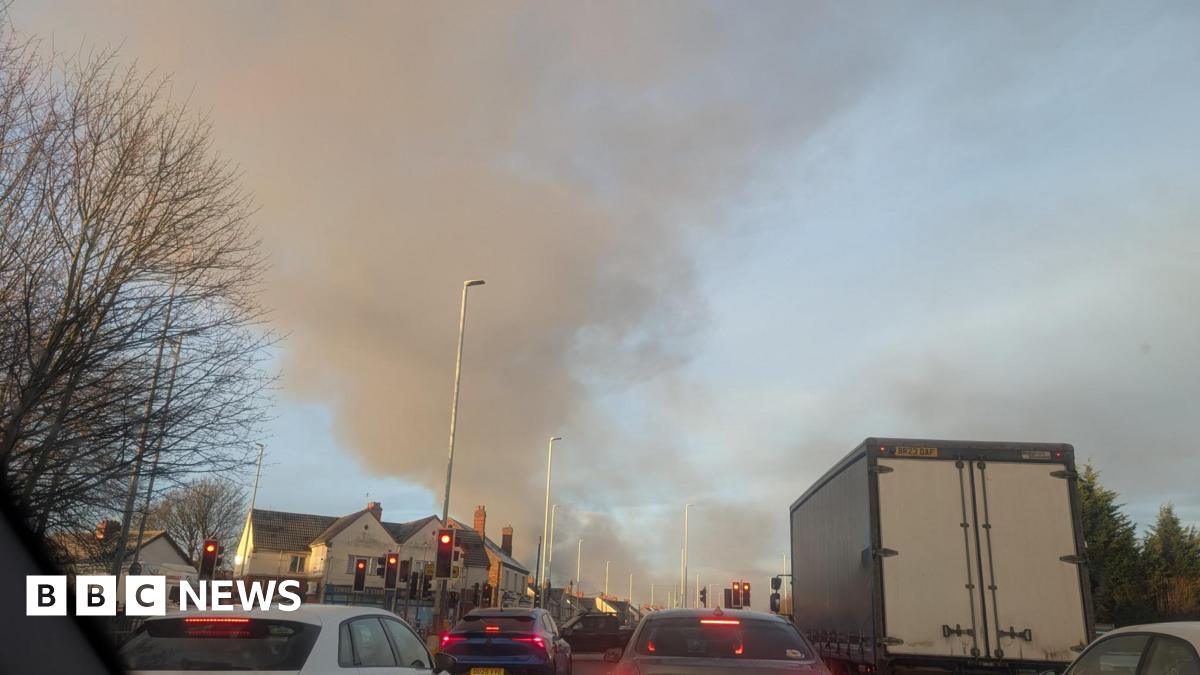
The BBC focused on the visual scale of the incident, describing a smoke plume that dominated the city’s skyline. Fire crews were shown working through the morning as authorities assessed potential air quality risks. The report emphasised official messaging, particularly advice for residents to keep windows closed. By framing the fire within public safety guidance, the coverage highlighted how quickly an industrial incident can affect daily life across an entire city.
Wolverhampton fire: Huge inferno sends smoke billowing over city after 'explosions' heard
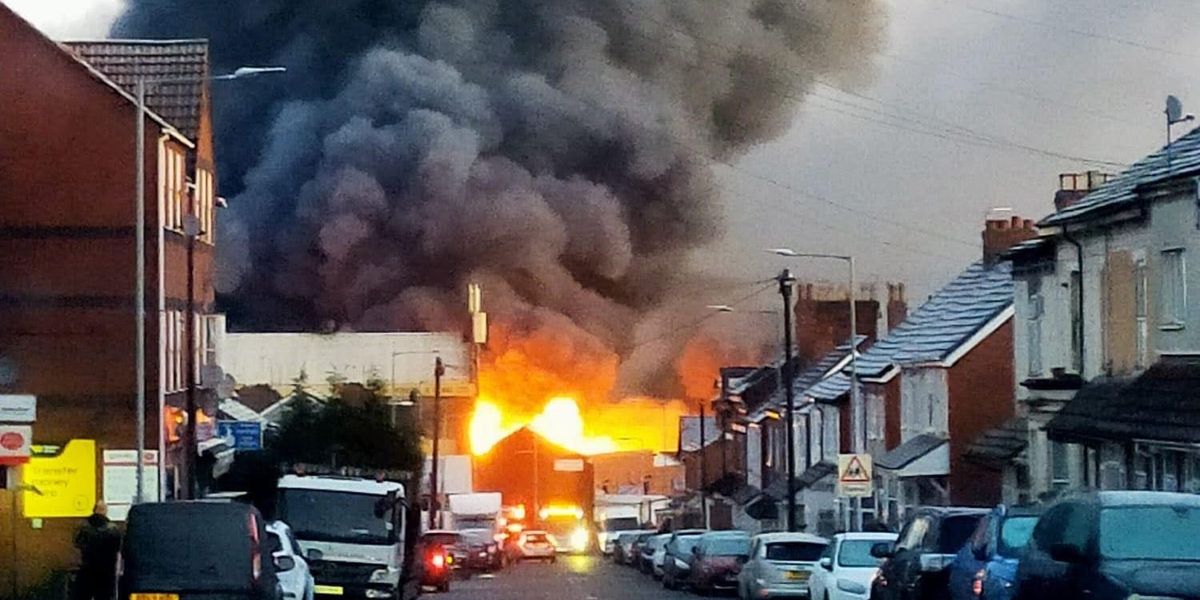
GB News centred its reporting on eyewitness accounts, particularly claims of explosions heard before emergency services fully secured the site. The article leaned into the uncertainty of the early hours, reflecting public anxiety as information emerged in fragments. By quoting residents directly, the piece illustrated how confusion and fear can spread during fast-moving emergencies, especially when industrial sites are involved.
Wolverhampton fire live updates as public warned to 'avoid area'

Birmingham Live adopted a rolling, live-update format, capturing the evolving nature of the response. The focus was practical: road closures, transport disruption, and repeated warnings to avoid the vicinity. This approach underlined how local journalism plays a crucial role during crises, translating official statements into actionable information for nearby communities.
Firefighters tackle factory blaze as thick smoke makes it 'hard to breathe'
This report emphasised the physical toll on both firefighters and residents, describing conditions as difficult due to smoke density. By spotlighting frontline responders, the article added a human dimension to the incident. It also echoed public health advice, reinforcing the link between emergency response and community wellbeing.
LIVE: Major fire reported in Wolverhampton sending smoke plumes over city - residents speak of hearing 'explosions'
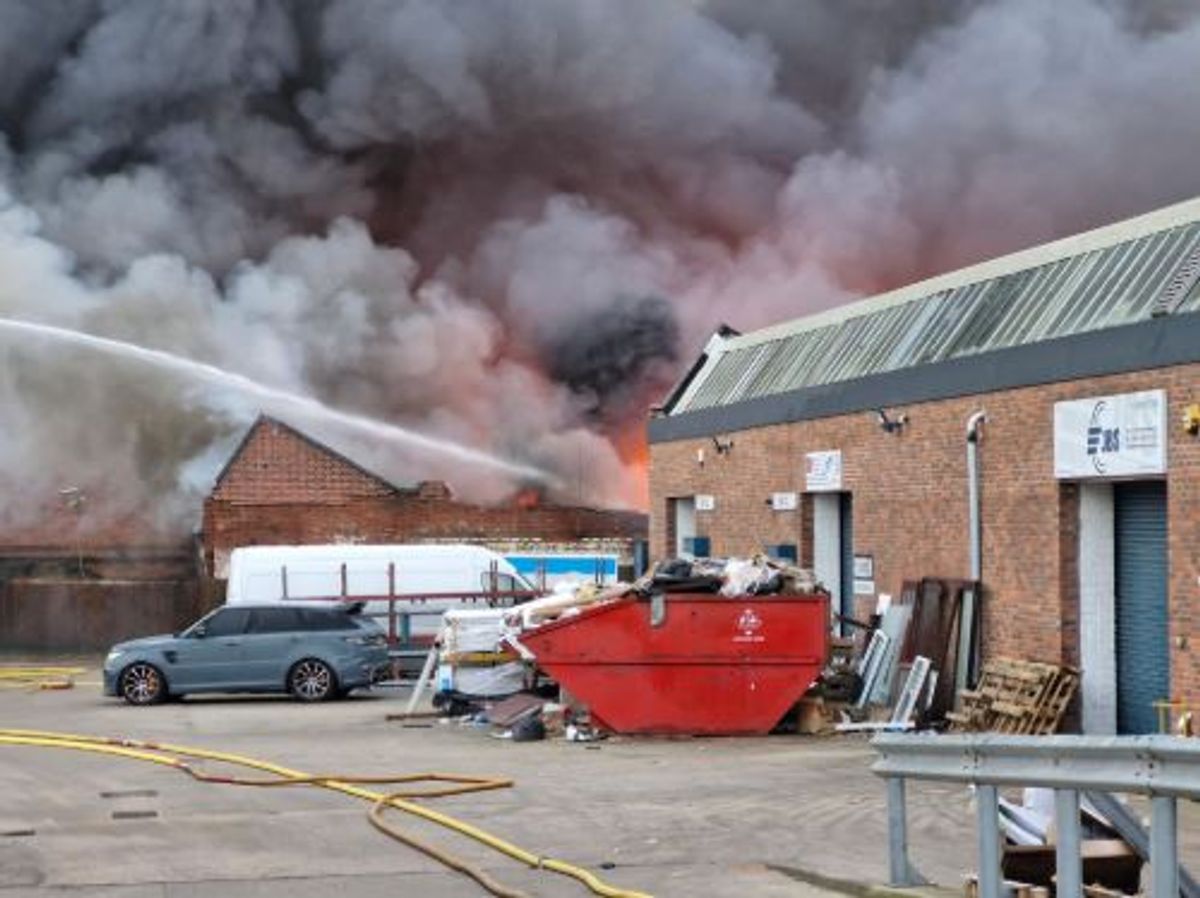
The Express & Star combined live reporting with community voices, capturing how quickly rumours and confirmed details intertwined. The repeated mention of explosions reflected ongoing uncertainty about the cause. This coverage illustrated the challenge of balancing speed and accuracy during unfolding events.
'Major toxic incident' as huge 'explosions' are heard at city factory

Manchester Evening News framed the event within a wider regional context, noting concerns about toxicity and cross-city impact. By referencing emergency planning terminology, the piece suggested how incidents in one city can activate protocols across neighbouring areas. This angle broadened the story beyond Wolverhampton alone.
Summary / Insights
Taken together, the coverage reveals a familiar pattern seen in previous industrial fires across the UK: rapid escalation, heavy reliance on local reporting, and evolving official guidance. While investigations into the cause were still ongoing, the incident reignited debate about industrial zoning near residential areas. Historically, similar fires have led to regulatory reviews, though outcomes vary. For Wolverhampton, the lasting impact may lie as much in public confidence as in physical damage.
TL;DR: A major factory fire in Wolverhampton triggered widespread disruption, intense media coverage, and renewed focus on industrial safety, with authorities urging caution as investigations continued.