UK Energy Policy Impact as Denmark Weighs North Sea Oil and Gas Extensions
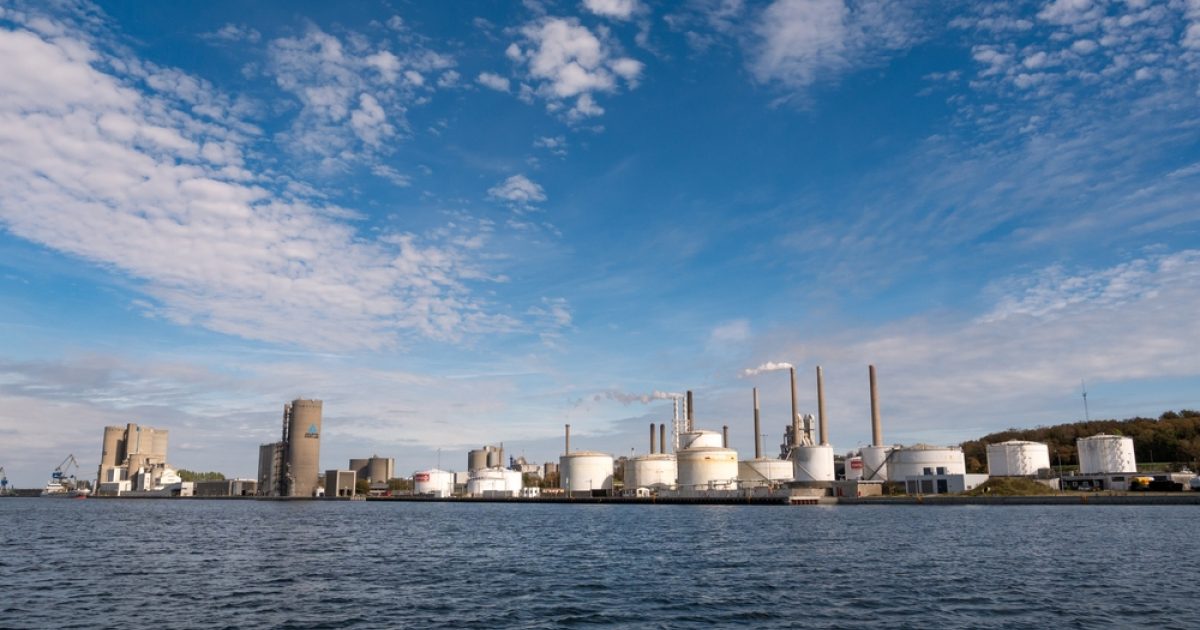
Denmark has officially begun exploring the extension of hydrocarbon licenses for the Danish Underground Consortium in the North Sea. This move marks a significant shift in European energy strategy regarding the phase-out of fossil fuels. The decision has immediate implications for UK Energy Secretary Ed Miliband as the British government faces pressure to reconcile domestic net-zero targets with regional energy security trends.
TL;DR
- Denmark is considering extending oil and gas licenses beyond previous phase-out dates.
- The Danish Underground Consortium (DUC) received a formal invitation to explore these extensions.
- Energy security and economic stability are cited as primary drivers for the policy rethink.
- The shift places new scrutiny on Ed Miliband’s stance against new North Sea licenses in the UK.
What Happened
On February 22, 2026, energy firm BlueNord confirmed it had received an invitation from the Danish government to discuss extending the DUC license for North Sea production. This development follows years of Denmark being a leading advocate for a total fossil fuel exit by 2050. The exploration of an extension indicates a strategic pause in the planned reduction of hydrocarbon extraction. This decision comes as European nations reassess their energy dependencies and the speed of their green transitions.
Key Developments
The Danish government has initiated formal contact with stakeholders in the Danish Underground Consortium to evaluate the technical and economic feasibility of prolonged extraction. Official statements indicate that this is a measure to ensure energy sovereignty within the European market. Simultaneously, in the United Kingdom, industry bodies have used this development to challenge Energy Secretary Ed Miliband's current moratorium on new North Sea drilling. There has been no formal change to UK policy, but the regional consensus on rapid phase-outs is visibly fracturing.
Why This Matters
This policy shift is factually significant because Denmark was a founding member of the Beyond Oil and Gas Alliance. Their reconsideration suggests that even nations with aggressive climate targets are finding it necessary to maintain domestic production for economic and security reasons. For the UK, it creates a geopolitical contrast where neighboring North Sea producers are extending operations while the British government maintains a restrictive licensing environment.
What Happens Next
Negotiations between the Danish state and BlueNord regarding specific terms of the license extension are expected to continue through the first half of 2026. In the UK, Ed Miliband is expected to face questions in Parliament regarding how Denmark’s move affects the UK’s competitive position in the energy sector. Final decisions on the length of the Danish extensions will depend on upcoming environmental impact assessments.
FAQ
Is the UK extending its North Sea licenses?
Currently, the UK government under Ed Miliband has not followed Denmark's lead and maintains a policy against granting new licenses. Existing licenses remain active, but the focus remains on transitioning to renewable energy.
Why is Denmark changing its energy policy?
The Danish government is prioritizing energy security and economic stability. By extending licenses, they aim to ensure a steady domestic supply of hydrocarbons during the long-term transition to green energy.
Who is involved in the Danish North Sea extension?
The primary parties are the Danish government and the Danish Underground Consortium, which includes companies like BlueNord and TotalEnergies. These entities manage the majority of Denmark's offshore production.
How does this affect Ed Miliband's energy strategy?
It increases pressure from industry groups and political opposition who argue the UK should also prioritize domestic production. Miliband has so far maintained that the UK's path to energy security lies in rapid decarbonization.
When will the Danish license extensions be finalized?
There is no fixed date, but formal discussions have been initiated as of February 2026. A final agreement is expected following technical reviews of the North Sea fields.




-copy.jpeg?crop=2047.5,1365,x0.3,y0&trim=0,0,0,0&width=1200)