Comet 3I/ATLAS: A Cosmic Visitor from Beyond Our Solar System
The interstellar comet 3I/ATLAS has captured the attention of scientists and the public alike as it makes its way through our solar system. This article provides a comprehensive overview of the comet's journey, its scientific significance, and the diverse viewpoints surrounding its arrival. From its potential to carry molecules essential to life, to speculative theories about its origins, 3I/ATLAS is a cosmic phenomenon that promises to deepen our understanding of the universe.
Main Topic Overview
3I/ATLAS is an interstellar comet, meaning it originated from outside our solar system. Its discovery has sparked interest due to its unusual trajectory and activity, which suggest it could hold clues about the formation of other planetary systems. The comet's approach has prompted a wide array of scientific studies and public speculation, with some even considering the implications of its potential to deliver organic compounds or be a deliberate construct by advanced civilizations.
News Coverage
Comet I/ATLAS shows activity in Juice navigation camera teaser

The European Space Agency's Juice navigation camera has captured new activity from comet 3I/ATLAS, indicating its dynamic nature as it journeys through our solar system. This activity provides valuable data that could help scientists understand more about the processes occurring in such interstellar visitors. The images show increased brightness and changes in the comet's tail, which may be caused by its interaction with solar radiation as it nears the Sun.
New images show comet I/ATLAS getting active as it zooms toward Earth
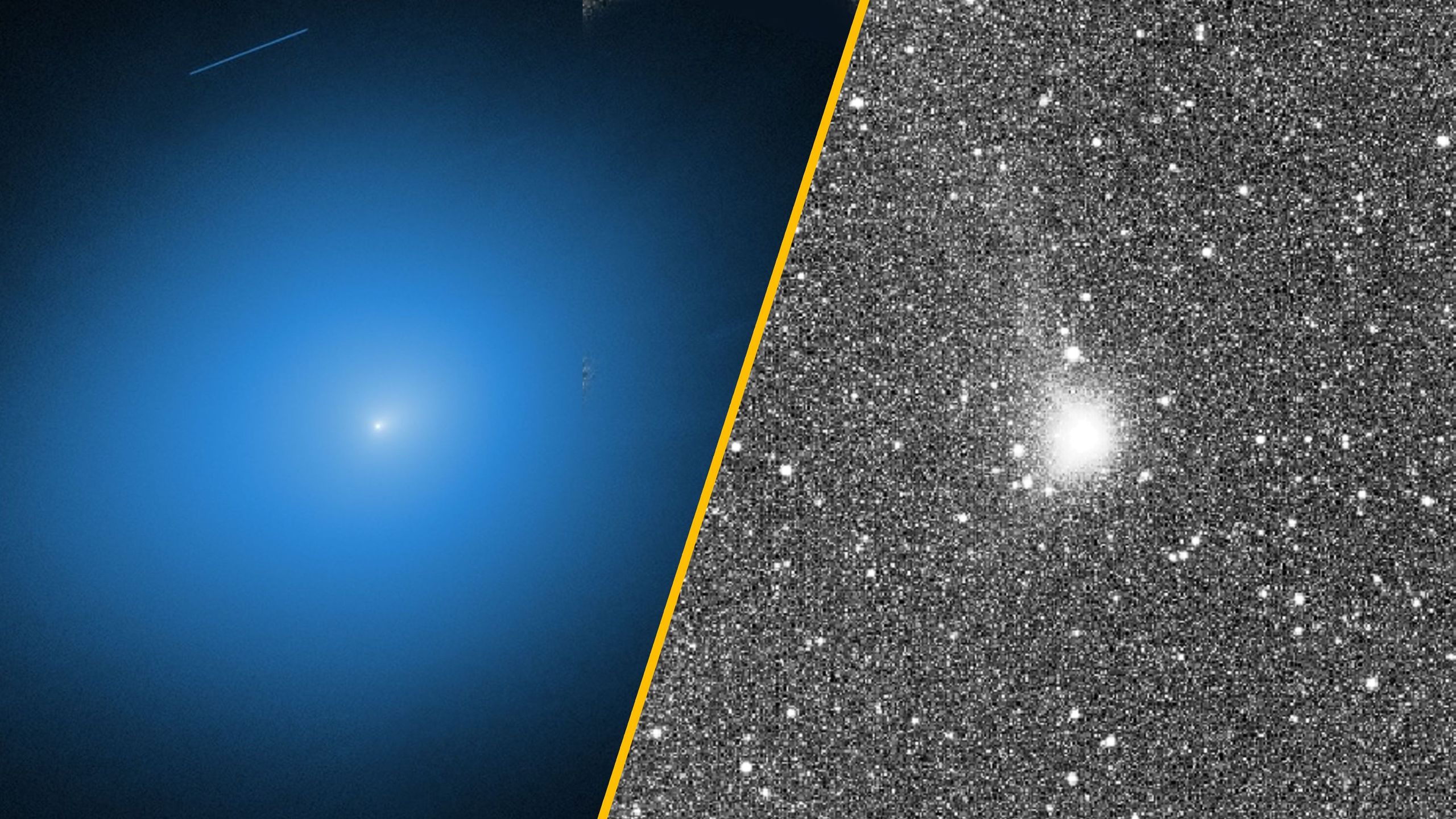
Live Science reports that new images of 3I/ATLAS reveal significant activity, with the comet showing signs of increased volatility as it moves closer to Earth. Such activity is not only visually striking but also scientifically important, as it offers a rare glimpse into the behavior of interstellar objects. The observations could provide insights into the conditions of the early solar system, given the comet's likely origin from a distant star system.
NASA’s Hubble Space Telescope Revisits Interstellar Comet
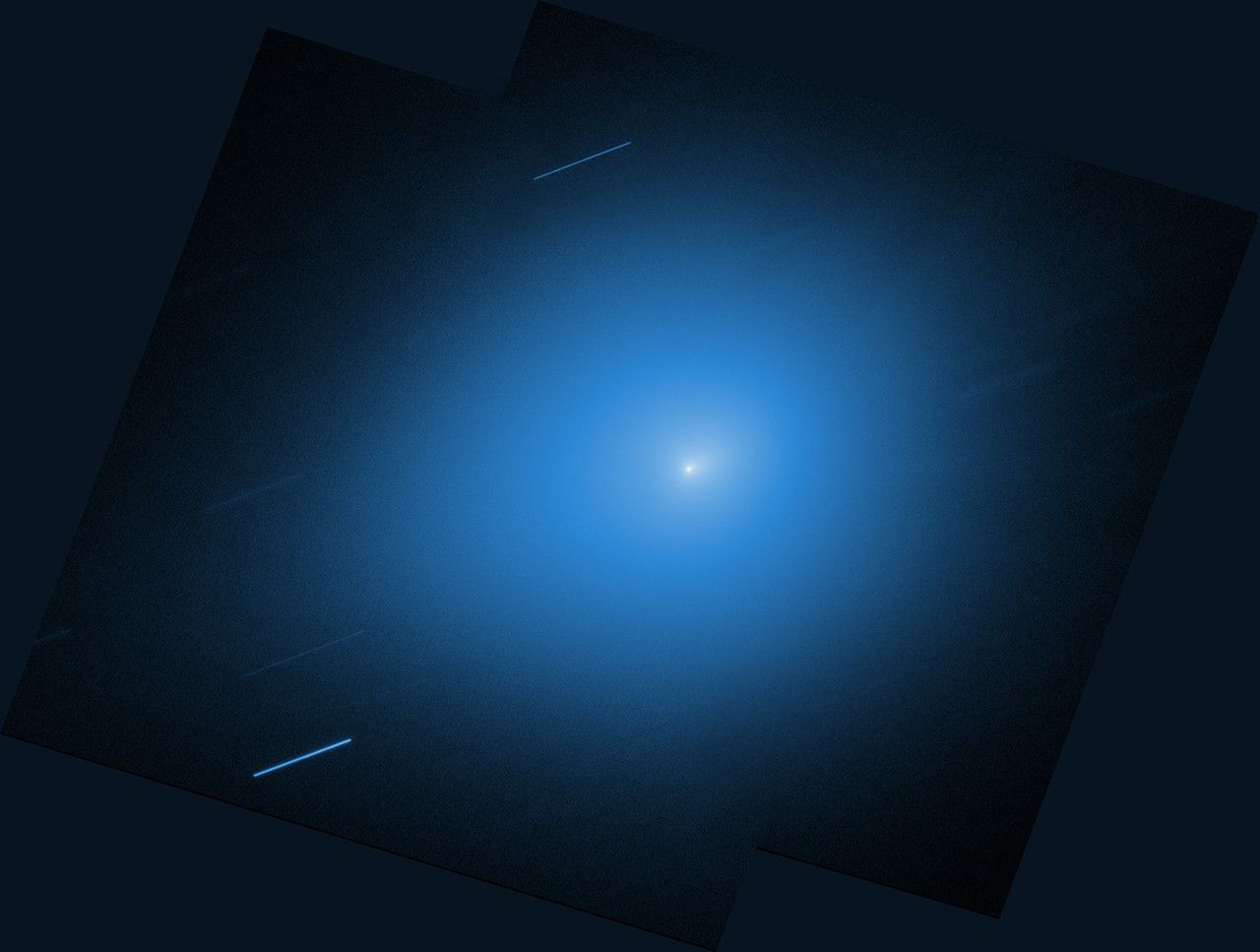
NASA's Hubble Space Telescope has revisited comet 3I/ATLAS to capture high-resolution images that provide detailed views of its nucleus and surrounding coma. The data collected will enhance our understanding of the comet's composition and structure, offering a unique opportunity to study material from outside our solar system. This follows previous observations by Hubble, which have consistently shown the comet's unusual characteristics compared to typical solar system comets.
Is I/ATLAS a Friendly Gardener or a Serial Killer?
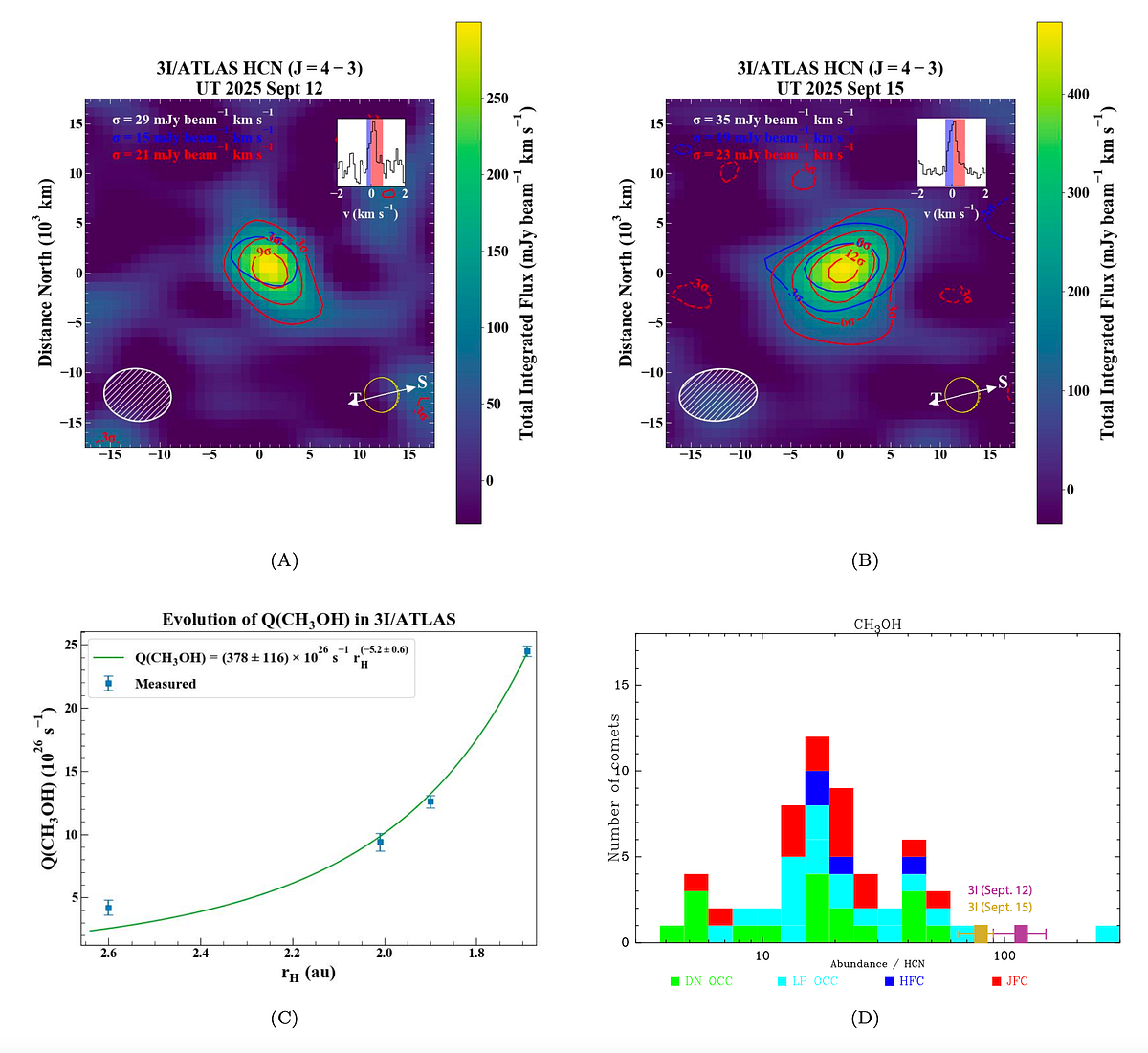
Avi Loeb, a prominent astrophysicist, explores the intriguing possibilities surrounding 3I/ATLAS in a thought-provoking article. He raises questions about the comet's potential role in spreading life across the galaxy, akin to a 'gardener' sowing seeds, versus the more speculative notion of it being a harbinger of destruction. These discussions highlight the broader scientific debate about panspermia, the hypothesis that life exists throughout the universe and is distributed by space dust, meteoroids, asteroids, comets, planetoids, or potentially by spacecraft in the form of unintended contamination by microorganisms.
Summary / Insights
The interstellar comet 3I/ATLAS continues to be a focal point for both scientific inquiry and public curiosity. Its journey offers a rare opportunity to study an object from outside our solar system, potentially enriching our understanding of cosmic chemistry and the conditions necessary for life. While some theories about the comet are speculative, they underscore the profound impact such celestial events can have on our quest to comprehend the universe. As 3I/ATLAS draws nearer, it will undoubtedly inspire further research and debate about its origins and implications.
TL;DR: Interstellar comet 3I/ATLAS, with its unique trajectory and activity, provides scientists with a rare opportunity to study materials from outside our solar system, sparking both scientific and public interest.