Tour de France 2027: Britain Prepares for a Historic Grand Départ
The Tour de France is set to make a landmark return to the UK in 2027, with confirmed starts across Scotland, England, and Wales. The announcement has triggered a wave of planning, debate, and anticipation as host cities outline routes, logistics, and legacy goals. This digest pulls together what’s known so far, how plans emerged, and what the wider implications could be for British cycling and host communities.
Main Topic Overview
The 2027 Grand Départ will mark the first time both the men’s and women’s Tours begin in the UK. Organisers have outlined a multi-stage opening across Edinburgh, Yorkshire, and northern England, before the race heads back to France. While exact stage profiles are still being refined, the emphasis is on accessible city starts, iconic landscapes, and community engagement. The decision builds on successful UK starts in 2007 and 2014, both of which drew massive crowds and long-term boosts to cycling participation.
News Coverage
Edinburgh & Leeds to host Tour de France starts
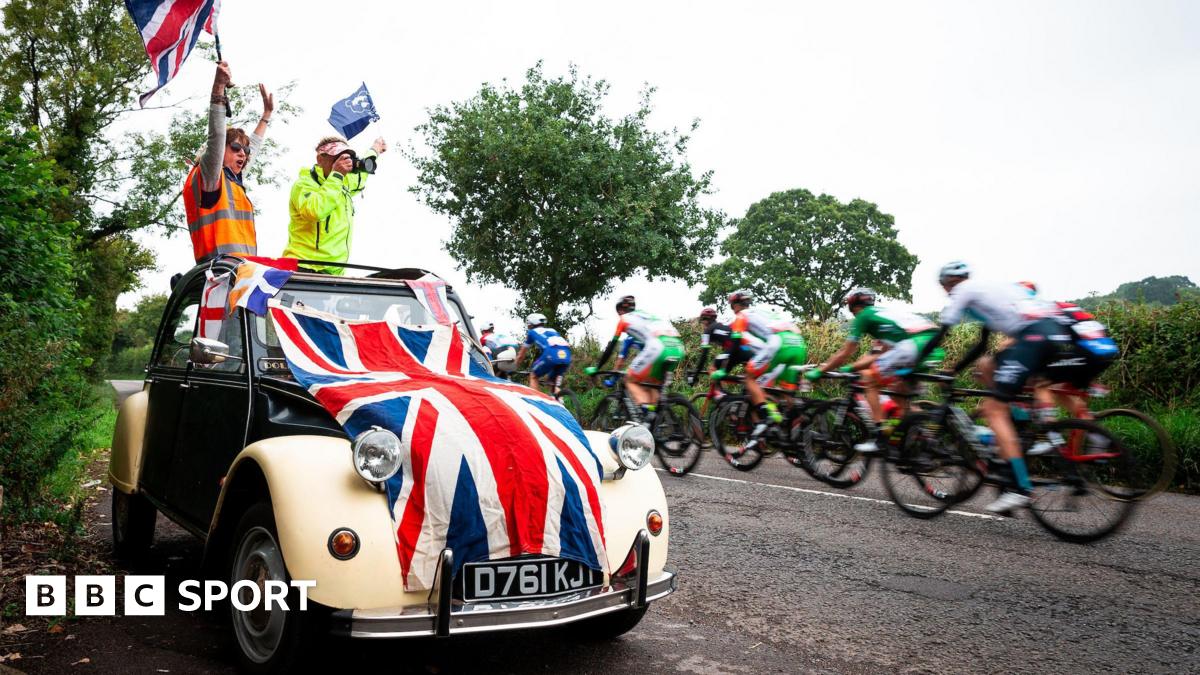
The BBC report confirms Edinburgh and Leeds as headline start locations, reflecting a balance between symbolic capitals and regions with deep cycling heritage. Organisers highlighted transport links and crowd capacity as decisive factors. The piece also notes coordination between local councils and UK Sport, suggesting early logistical alignment rather than a last-minute scramble.
Tour de France reveals six UK stage plans

The Guardian details six provisional stages across the UK, framing the announcement as a strategic showcase rather than just a sporting event. The analysis links stage design to tourism goals, noting coastal and rural inclusions alongside major cities. It also flags early discussions about road closures and public transport pressure, indicating that enthusiasm is matched by practical concerns.
Full route of famous cycling race's return to the UK revealed

Sky News focuses on the visual impact of the route map, underlining how geography shapes race narrative. The report stresses spectator expectations, with organisers projecting millions lining the roads. It also points out that final confirmation depends on ongoing safety assessments, reinforcing that the published route is still subject to refinement.
Tour de France returns to Britain with millions expected

The Telegraph frames the return in economic terms, estimating large-scale visitor numbers and regional spend. It contrasts optimism from local authorities with caution from transport planners. The article situates 2027 as a test of whether the UK can replicate the long-term cycling boom seen after 2014.
Tour de France in Cumbria 'will unite communities'

This BBC piece narrows in on Cumbria, highlighting local voices and community planning. Rather than headline economics, it emphasises social impact and regional pride. The article notes concerns around rural road disruption, presenting them alongside hopes for lasting visibility.
Geraint Thomas on Wales hosting a stage

Featuring rider reaction, this article adds athlete perspective to the broader narrative. Thomas highlights Wales’ terrain as both challenging and symbolic, aligning sporting drama with national representation. It subtly connects elite competition with grassroots inspiration.
Summary / Insights
Across coverage, several themes repeat: scale, legacy, and complexity. The 2027 Grand Départ is framed not just as a sporting spectacle but as a coordinated national project. Optimism around tourism and participation sits alongside logistical caution. Historically, previous UK starts suggest strong upside, but the breadth of the 2027 plan means outcomes will depend on sustained planning well beyond race week.
TL;DR
The Tour de France will start in the UK in 2027 with stages across Scotland, England, and Wales. Plans emphasise visibility and legacy, while debates continue around logistics, cost, and long-term impact.