New UK ETA Rules and Passport Requirements for Dual Nationals
The United Kingdom has officially expanded its Electronic Travel Authorisation (ETA) system to include a wider range of international visitors. Under these new rules, British dual nationals who do not possess a UK passport face potential refusal of travel at the border. The digital system requires all eligible non-visa travelers to obtain permission before arriving in the country.
TL;DR
- All eligible non-visa visitors must now apply for a digital ETA before traveling to the UK.
- British dual nationals are required to use a UK passport to prove their right of abode.
- Travelers without the correct digital permission or a British passport risk being denied boarding.
- The system is designed to digitize the border and enhance security checks prior to arrival.
What Happened
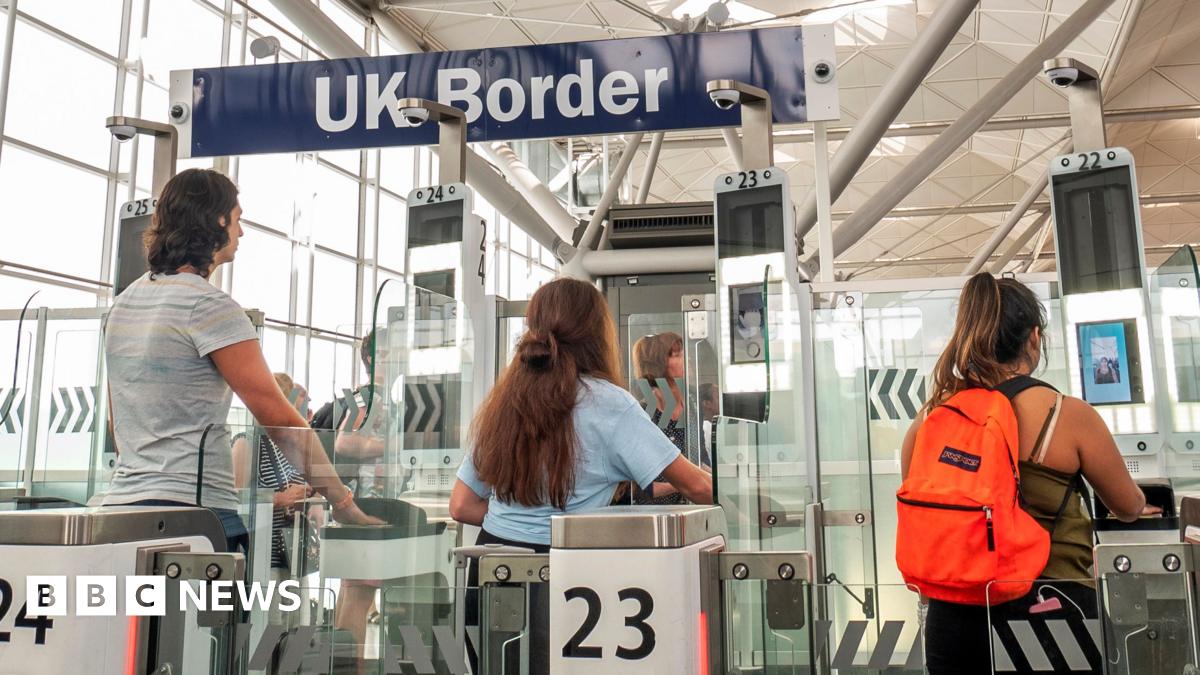
The UK government has implemented the next phase of its digital border strategy by enforcing the Electronic Travel Authorisation (ETA) for a broad list of nationalities. This system replaces the previous method where non-visa nationals could travel to the UK with only a passport. Simultaneously, the Home Office clarified that British dual citizens can no longer rely on their foreign passports to enter the UK unless they have specific digital evidence of their right to remain.
Key Developments
The Home Office confirmed that the "no permission, no travel" rule is now in active effect. Key developments include the requirement for visitors from countries like Australia, the US, and Canada to pay a £10 fee for a two-year travel permit. For dual nationals, the government has stated that a UK passport is the only definitive way to prove the right of abode at the border. This shift has resulted in reports of dual citizens being warned of imminent travel refusals if they lack British documentation.
Why This Matters
This change marks a significant shift in how the UK manages its borders, moving from physical checks upon arrival to digital pre-screening. For millions of dual nationals living abroad, it necessitates obtaining a British passport—even if they have never previously needed one for travel—to ensure uninterrupted entry into the UK. It also impacts airlines, which are now responsible for verifying digital permissions before allowing passengers to board flights.
What Happens Next
The ETA requirement will continue to roll out to more nationalities throughout 2026, eventually covering all visitors who do not require a visa, including those from the European Union. Border Force officials and airlines will continue to integrate digital systems to automate these checks. Dual nationals are advised to renew or apply for British passports well in advance of scheduled travel to avoid disruption at departure gates.
FAQ
What is a UK ETA?
An Electronic Travel Authorisation (ETA) is a digital permit required for visitors who do not need a visa to enter the UK. It is linked to a traveler's passport and is valid for two years or until the passport expires.
Do dual nationals need an ETA?
British dual nationals do not need an ETA, but they must prove their right to live in the UK. The Home Office advises that using a British passport is the most effective way to provide this proof at the border.
Can I travel to the UK with a foreign passport if I am a British citizen?
While you may have the right to enter, you risk being denied boarding by airlines or delayed at the border if you do not have a British passport or a certificate of entitlement. The new digital systems prioritize pre-verified travel permissions.
How much does the UK ETA cost and how long does it take?
The ETA costs £10 and most applications are processed within three working days. It allows for multiple trips to the UK for stays of up to six months at a time.