Fintech Innovation Meets Regulation: What Korea’s STO Reckoning Signals for Global Markets
The debate around fintech innovation often sounds abstract—until policy decisions force real companies, investors, and regulators to reveal where the boundaries actually lie. Over the past two weeks, South Korea’s unfolding dispute over Security Token Offering (STO) exchange licensing has become a case study watched closely in the U.S. fintech ecosystem. While the headlines are local, the questions are universal: who gets to innovate, under what rules, and at what cost.
Main Topic Overview
Security Token Offerings promise to modernize capital markets by fractionalizing assets, improving liquidity, and broadening access. Korea has been viewed as a regulatory testbed for this model, using sandbox frameworks to balance experimentation with investor protection. Recent licensing decisions by the Financial Services Commission (FSC), however, have exposed tensions between established financial players and early-stage innovators, raising concerns that policy maturity may be lagging behind technological ambition.
News Coverage
The Day Before Korea’s Fractional STO Market Decides What “Innovation” Really Means
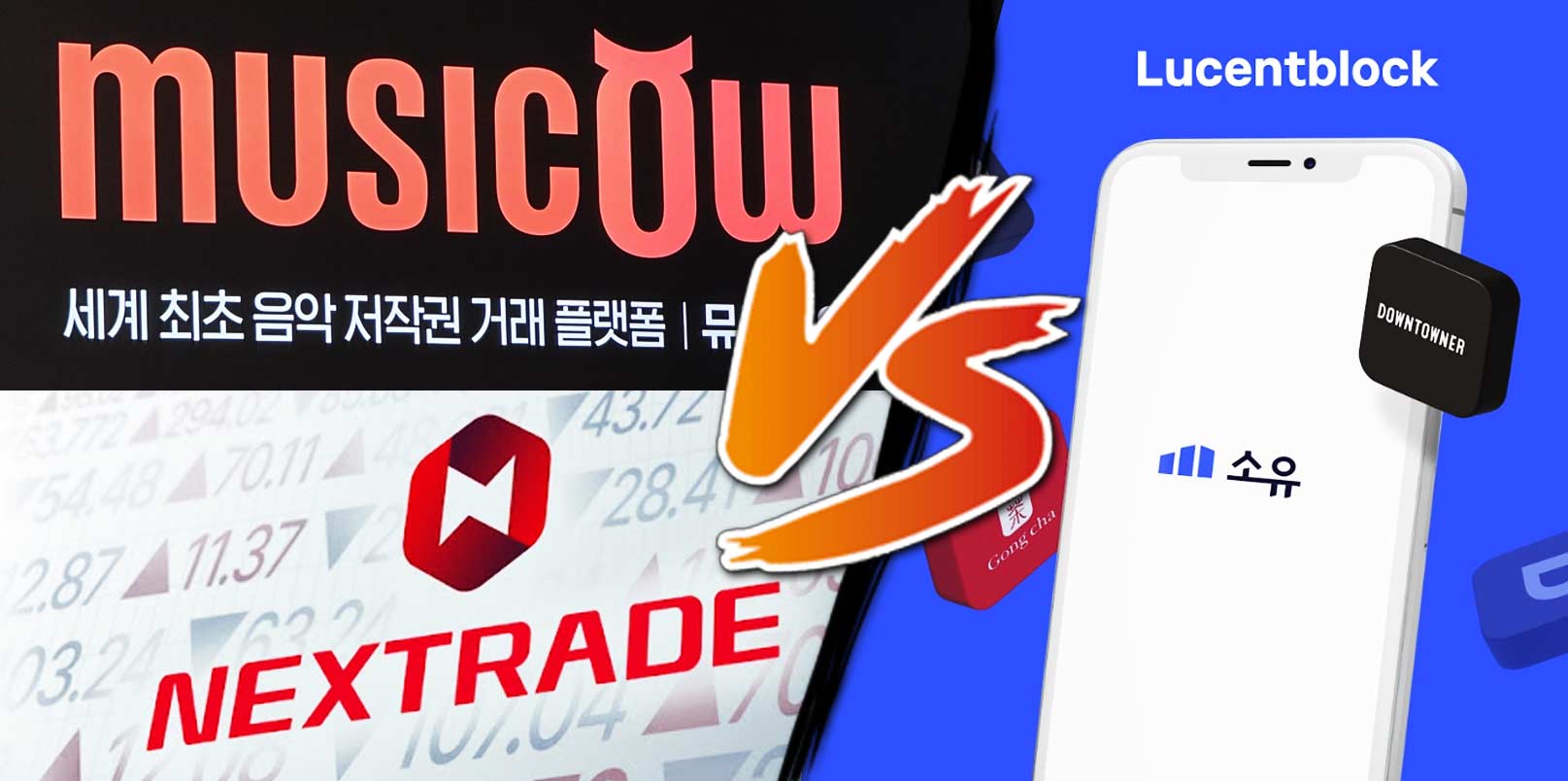
This analysis frames the licensing decision as a philosophical moment rather than a procedural one. It highlights how regulatory definitions of “stability” and “readiness” can implicitly favor incumbents over startups. The piece notes that Korea’s STO ambitions were built on experimentation, making the sudden narrowing of eligibility especially jarring. For global fintech observers, it underscores how innovation narratives can shift overnight when rules solidify.
SFC Favors Latecomers; Lucentblock Faces Closure

This report centers on the immediate business impact of the FSC’s stance, particularly for Lucentblock. It documents how a firm that helped pioneer the market now risks exclusion due to revised criteria. The article reflects broader startup anxieties about retroactive rule changes. Historically, similar shifts in fintech regulation have often triggered consolidation rather than competition.
Controversy Over Preliminary Approval for the FSC’s Fragmented Investment Exchange
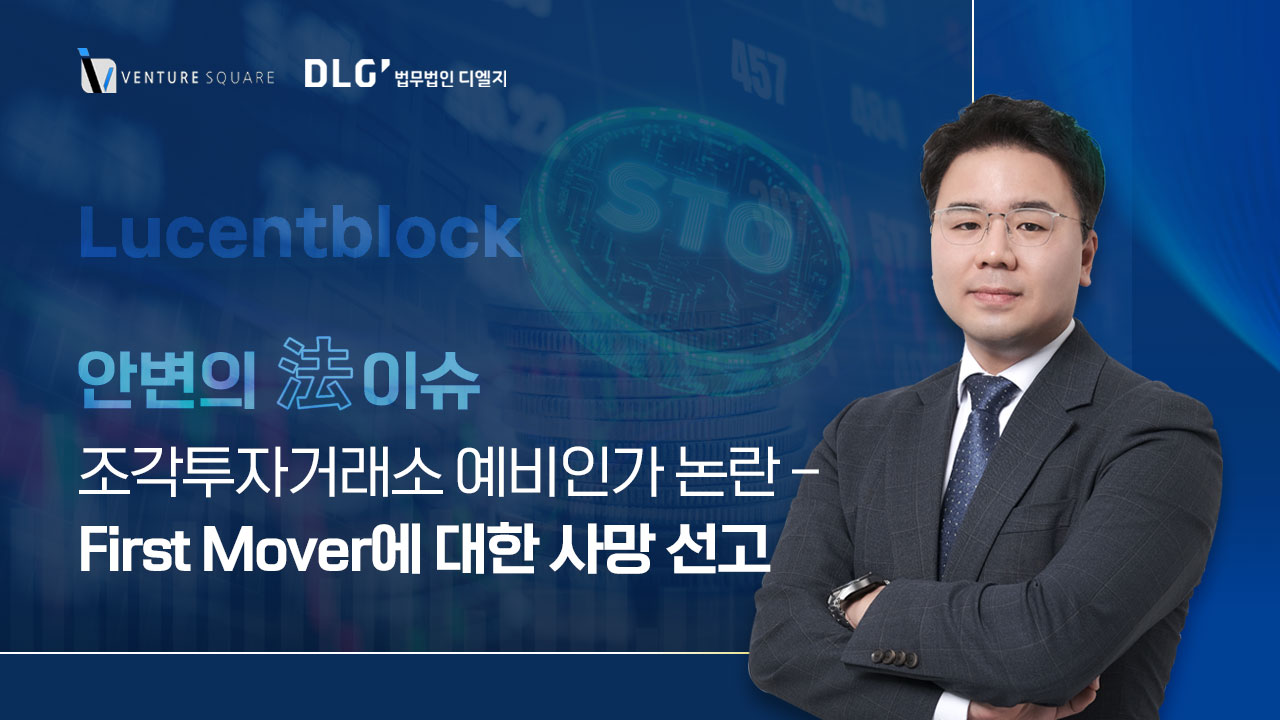
This piece amplifies founder voices questioning whether the approval process discourages entrepreneurship. By quoting startup leaders directly, it adds emotional texture without editorializing. The article situates the dispute within Korea’s broader startup policy history. For U.S. readers, it mirrors debates seen around crypto exchanges and banking charters.
Gov’t Faces Backlash Over STO Exchange Licensing Amid Startup Exclusion Concerns

The Korea Times frames the issue as a policy credibility test for regulators. It outlines competing arguments from officials and entrepreneurs without privileging either side. The article also references earlier fintech rollouts where inclusion was prioritized. This comparison deepens the sense that expectations, not just rules, have shifted.
The Sandbox Worked. The System Didn’t: The Fallout of Lucentblock
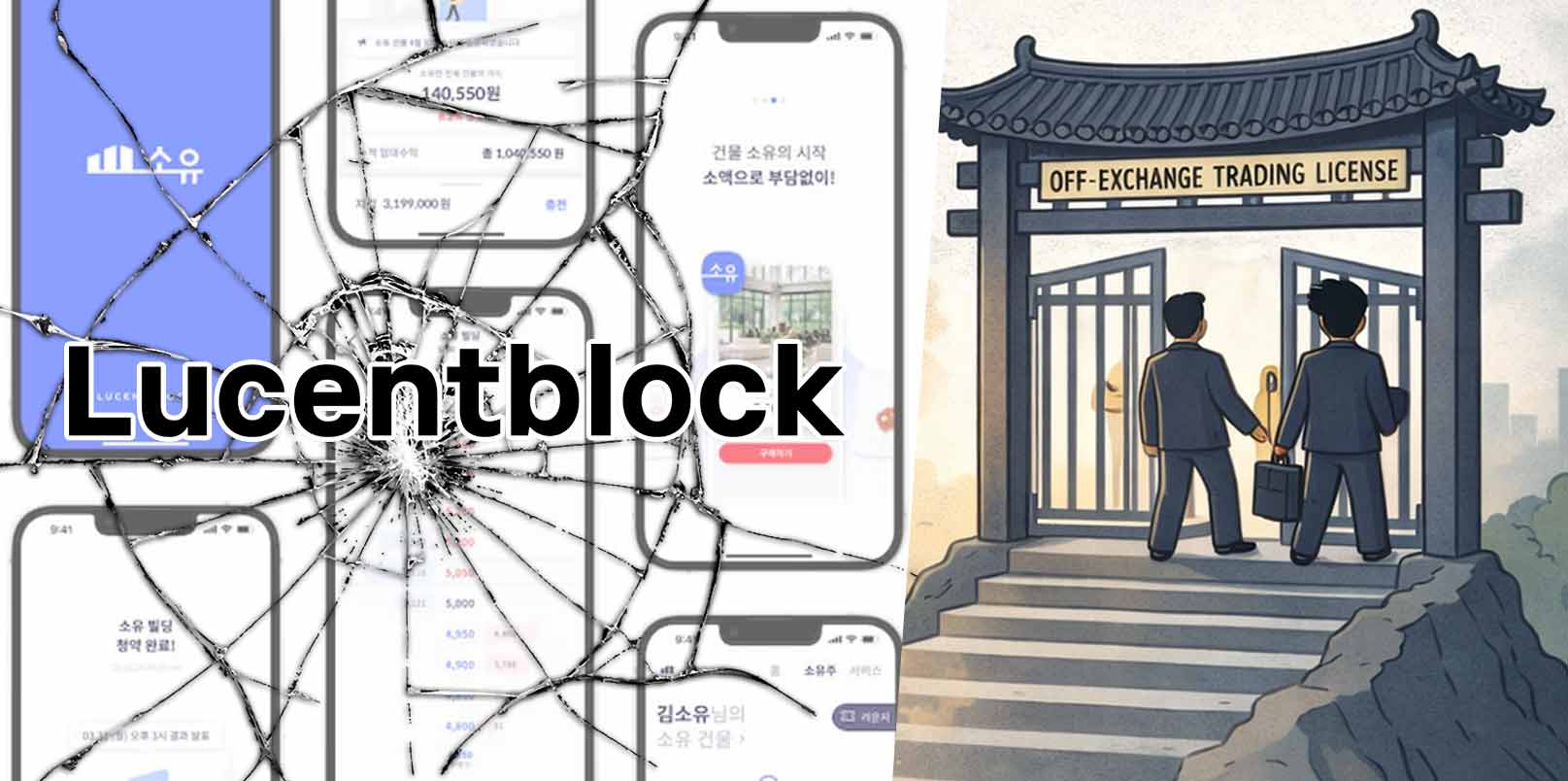
This retrospective argues that Korea’s sandbox model succeeded technically but failed institutionally. It traces how temporary approvals created expectations that were later reversed. The article avoids assigning blame, focusing instead on structural gaps. Globally, it raises questions about how sandboxes transition into permanent regimes.
Summary / Insights
Taken together, these reports reveal a common thread: fintech innovation thrives on clarity as much as freedom. Korea’s STO debate illustrates how regulatory inflection points can redefine markets overnight. For U.S. fintech leaders and policymakers, the lesson is not about copying outcomes, but about recognizing how process, timing, and communication shape innovation ecosystems.